Overview
Hakone Downhill is one of those hidden names that keeps resurfacing whenever people talk about Japanese 峠 (touge, mountain pass; mountain-road driving scene) culture. Hakone itself sits in Kanagawa Prefecture, southwest of Tokyo, and the roads around the area have become shorthand for a certain kind of mountain driving: steep, narrow, technical, and demanding in a way that rewards patience more than bravado. In Japanese, touge literally means mountain pass, but in car culture it has come to describe much more than a road layout. It points to a whole world of driving style, tuning choices, and stories passed around by fans who care about balance, grip, and how a car behaves when the road stops being polite.


That is why Hakone keeps showing up in comparison talk around the Toyota AE86 and GR86. The roads around Lake Ashi are often described as a useful test of suspension, steering, and chassis balance, which makes them a natural stage for talking about the old Hachiroku nameplate and its modern descendant. And what's more, the conversation is not only happening at roadside meets or in magazine nostalgia. It has moved online too, with forum threads and clips helping touge discussion stay very much alive in the present day. If you are coming to this topic fresh, think of it less as a single race and more as a culture shaped by place, machine, and memory.
What touge culture actually means
People often use touge as if it simply means “mountain road driving,” but the term carries more texture than that. In practice, it describes the broader scene built around mountain passes, including car setup, route talk, nighttime lore, and the kind of storytelling that has long surrounded Japanese street-racing history. The roads matter, of course, but so do the cars, the driving style, and the shared understanding that a good touge run depends on control and road feel rather than raw noise alone.
That is also where the appeal for enthusiasts comes from. A car does not need to be exotic to matter here. In fact, lightweight, responsive, rear-wheel-drive cars often become the reference point, because they suit the rhythm of hairpins and elevation changes so well. The culture grew up around practical questions as much as romantic ones: how does the chassis settle, how quickly does the steering react, and how does the car behave when the road tightens and the surface changes? Those are the kinds of questions that give touge its staying power.
Why Hakone became such a familiar reference point
Hakone's reputation comes from the shape of the roads themselves. The mountain routes are steep and tight-cornered, the sort of roads that can expose weak suspension, vague steering, or a car that feels unsettled under load. Around Lake Ashi, the road geometry gives drivers very little room to fake competence. That is exactly why Hakone is so often used in car conversations: it is a practical benchmark, not just a scenic backdrop.
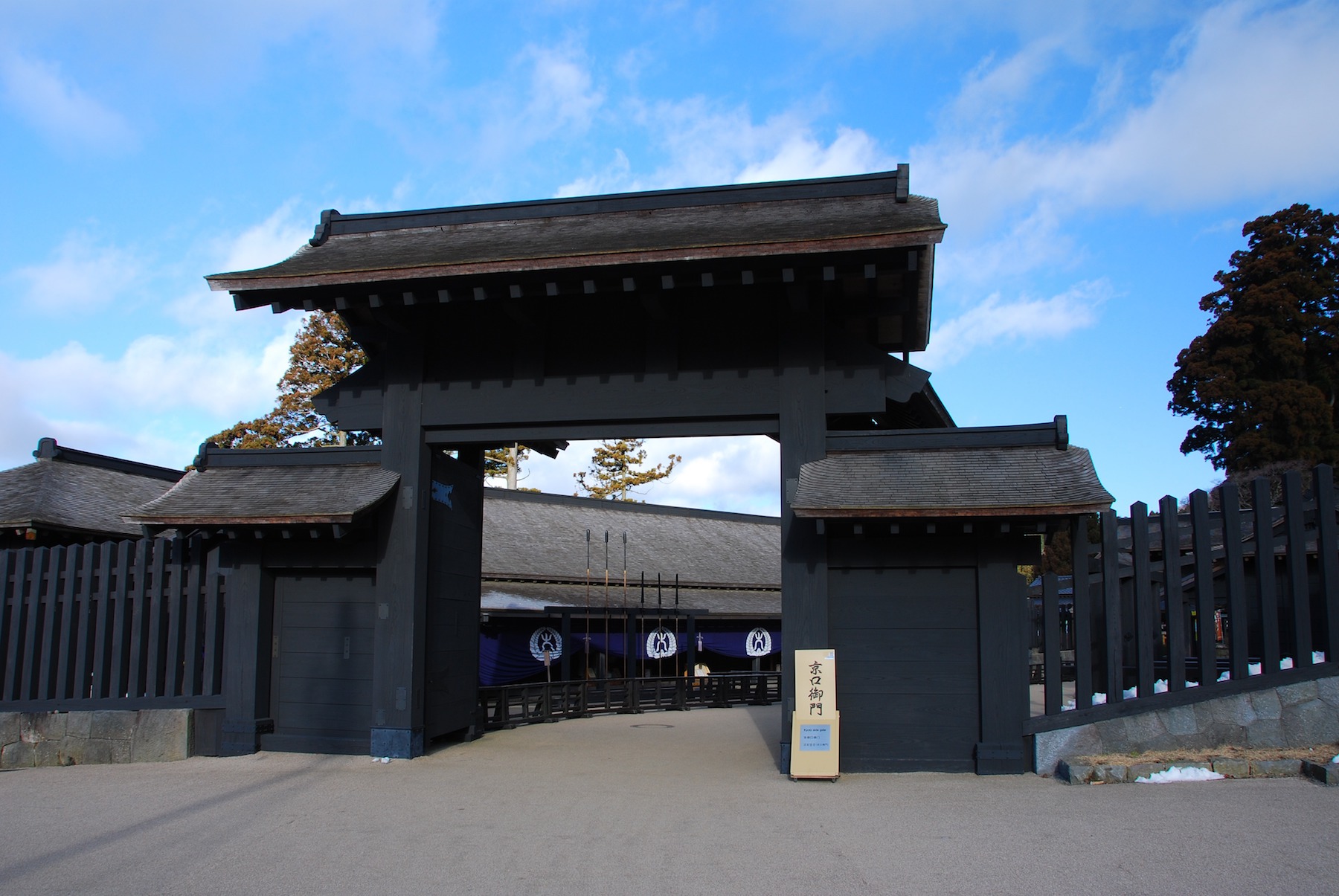
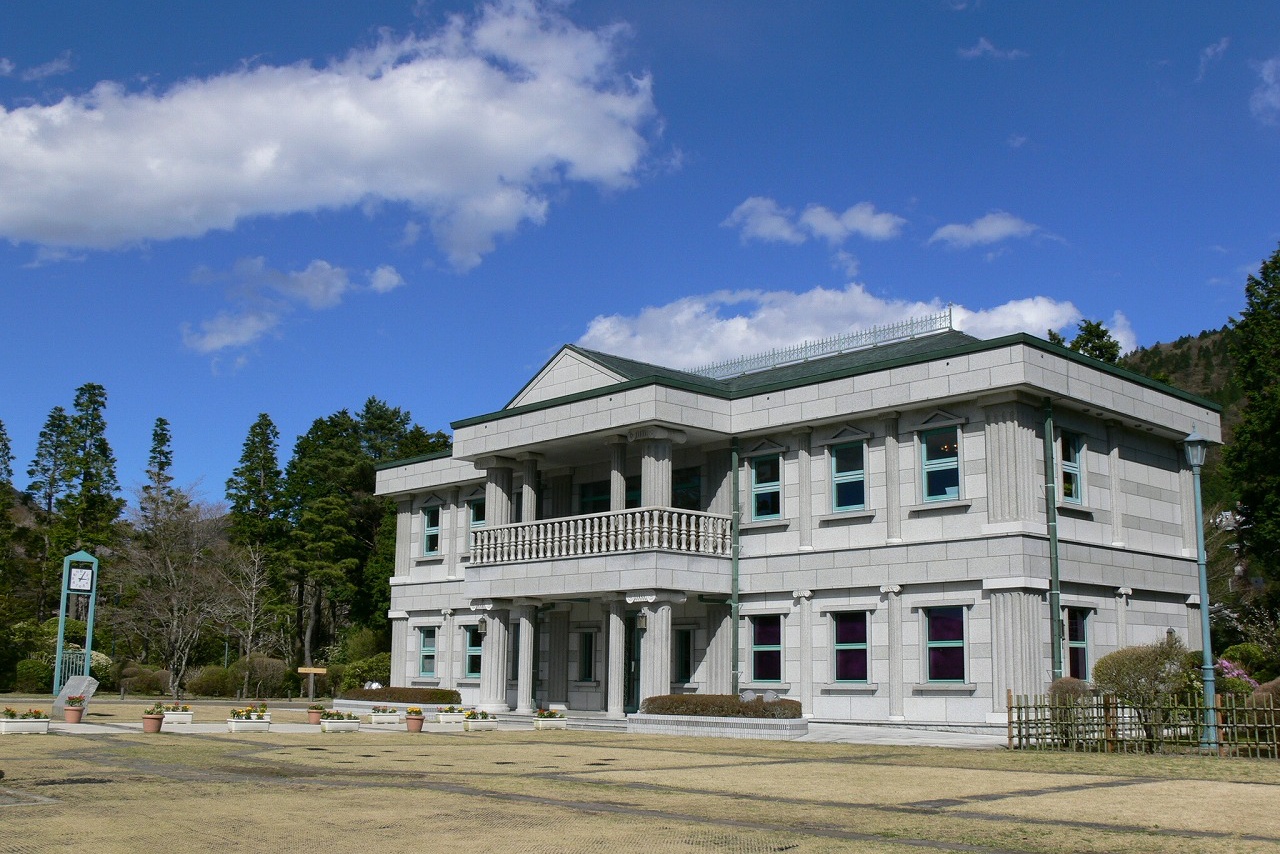
For visitors, it is important to approach the area as a real place first and a cultural reference second. Hakone is famous for hot springs, views, and mountain travel, but the driving culture around it adds another layer to the map. If you are exploring Japan by car or reading about the scene from abroad, this is one of those hidden spots where geography, engineering, and local reputation all meet. And if you want to understand the road culture around it in more detail, this Hakone Downhill and Touge Racing guide is a useful companion piece for the broader context.
The AE86, the Hachiroku code, and why fans still care
The Toyota AE86 sits at the center of a lot of Hakone talk for good reason. It is the Corolla Levin / Sprinter Trueno of the E80 generation, built from 1983 to 1987, and it became much bigger than its original sales numbers would suggest. The nickname Hachiroku, or 86, turned into a cultural code in Japan, tied to driving fun, light weight, and rear-wheel drive. That combination mattered then, and it still matters now because it represents a very specific kind of honesty in a car: simple enough to understand, lively enough to reward skill.
In touge conversation, the AE86 is often remembered not for brute force but for how it communicates. It fits the mountain-pass mentality well, because it asks the driver to stay smooth, stay aware, and work with the road rather than overwhelm it. That is part of why comparisons between the AE86 and GR86 never really get old. The old car became symbolic, the new one inherited the name, and Hakone gives fans a place to argue about what changed and what stayed true.
From GT86 to GR86: what changed and why it matters
Toyota revived the 86 name in 2012 with Subaru as the GT86, and the formula was very much about accessible rear-wheel-drive fun. Then the GR86 followed in 2021 with a 2.4-liter boxer engine, more torque, and an updated suspension. That matters because one of the major criticisms of the earlier 2.0-liter model was that it lacked mid-range punch, especially for drivers who wanted a stronger pull out of slower corners.
In a place like Hakone, those differences are not abstract. A road with tight corners and constant elevation change makes torque delivery and chassis response feel very real, very quickly. The GR86's changes were aimed at exactly that sort of driving. So when fans compare the AE86 and GR86 in Hakone, they are not just comparing generations for nostalgia's sake. They are using a road with a genuine reputation for technical driving to ask what “86” means now. If that comparison rabbit hole interests you, the AE86 and GR86 Hakone comparison is worth a look as well.
Where the scene lives today
Modern touge culture is no longer only local or analog. Online spaces have become part of the scene, with route discussion, setup talk, and clips helping people share the same fascination from different corners of the world. A Reddit thread from r/tokyoxtremeracer about Hakone Downhill is a good example of how these conversations now spread: people trade road impressions, compare car setups, and keep the story moving even when they are nowhere near the pass itself.
That shift matters because it shows how touge culture has adapted without losing its core identity. The roads are still the reference point, but the community now exists across forums, video platforms, and social spaces. For anyone learning about Japan through cars, this is one of those topics where the internet and the real world meet in a very Japanese way: carefully, obsessively, and with a surprising amount of detail. And yes, a bit of drama too. We are human.
How to experience Hakone from a travel perspective
If you want to experience Hakone in Japan, the best approach is to treat it as a region with layered meanings. Daytime travelers often come for the 温泉 (onsen, hot spring; hot-spring bath), the lake, the mountain scenery, and the classic stops around the area. Car enthusiasts, meanwhile, tend to be drawn to the roads as a living reference point in Japanese driving culture. You do not need to chase the mythology to appreciate the place. Just being aware that the roads have this reputation changes how you read the landscape.
For practical trip planning, remember that touge roads are still public roads first. That means traffic, weather, and local rules matter more than internet legend. If you are visiting, focus on safe, legal ways to enjoy the area, and let the culture deepen the trip instead of trying to reenact it. That is usually the better way anyway. Japan rewards curiosity, but it also rewards patience, and Hakone is no exception. The hidden beauty here is not only in the corners themselves, but in the way a place can become meaningful to drivers, readers, and travelers all at once.
Frequently Asked Questions
What does touge mean in Japanese car culture?
Touge literally means mountain pass, but in car culture it refers to driving, tuning, and storytelling tied to Japan's mountain-road scene.
Why is Hakone important in touge discussions?
Hakone is known for steep, tight-cornered mountain roads in Kanagawa, making it a natural reference point for fans discussing handling and road feel.
What is the AE86, and why do people call it Hachiroku?
The AE86 is the Toyota Corolla Levin / Sprinter Trueno of the E80 generation, built from 1983 to 1987, and Hachiroku is the Japanese nickname tied to its 86 identity.
How does the GR86 differ from the earlier GT86?
The GR86, launched in 2021, uses a 2.4-liter boxer engine, adds more torque, and features an updated suspension compared with the earlier 2.0-liter model.