Overview
Chiikawa is one of those properties that looks deceptively simple until you actually figure out what makes it tick. On paper, it is a short-form web 漫画 (manga, comic book or comic strip) by Nagano that began posting on X in 2020; in practice, it became a full-blown media brand, with a TV アニメ (anime, Japanese animated series) in 2022, book releases, merchandise, cafes, shops, and the kind of online visibility most franchises would happily sell a limb for. The first time I really paid attention to the phenomenon, the scale was already absurdly clear: by November 2024, the manga’s eight volumes had sold more than 3.6 million copies, and by 2026 the X account had passed 3 million followers.


That kind of growth doesn’t happen by accident. Chiikawa works because it compresses emotion into tiny, readable beats. The characters are cute, yes, but the tone is not sugary fluff; it mixes everyday anxiety, work stress, fear, and social pressure with a kind of visual softness that makes the whole thing disarmingly easy to share. If you want a clean example of modern web-native IP, this is it.

How Chiikawa grew from web manga to mainstream anime
Chiikawa began as a web manga and social-media manga by Nagano, first posted on X, then still called Twitter, in 2020. That platform choice mattered. The format was already built for reposts, quick reactions, and mobile reading, which meant the series could spread through social feeds without asking readers to commit to a long chapter binge. The short-panel structure is not just cute formatting; it is the engine of the franchise’s circulation.
By 2022, Chiikawa had expanded into a TV anime produced by Doga Kobo. That transition was important because it confirmed the property’s staying power. Lots of social-media characters go viral and then vanish into the internet fog. Chiikawa did the opposite. It moved from bite-sized comics into a more durable mainstream presence, while keeping the core appeal intact: expressive faces, tight comic timing, and emotionally legible scenes that do not need heavy exposition.
There is also a practical reason the series travels well across audiences. The manga’s basic setup is easy to understand even if you only know a little Japanese. Phrases are short, reactions are clear, and the situations often revolve around routines, feelings, and daily friction. That makes the franchise unusually useful for beginners who want to learn Japanese at the movies with Chiikawa without being buried under fast dialogue or dense lore. Which, frankly, is a relief.
The characters and the emotional tone that keep it memorable
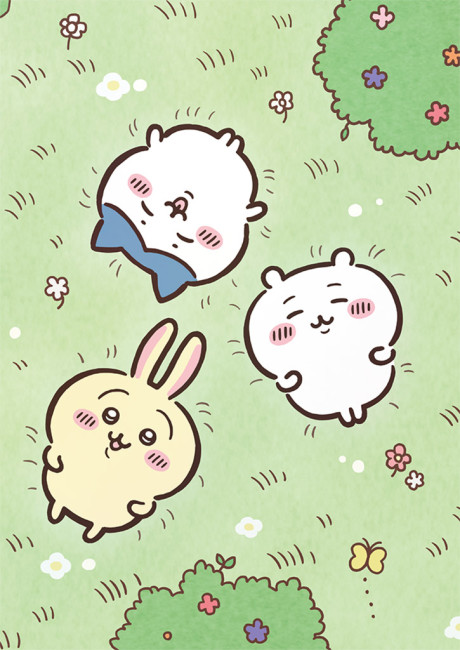
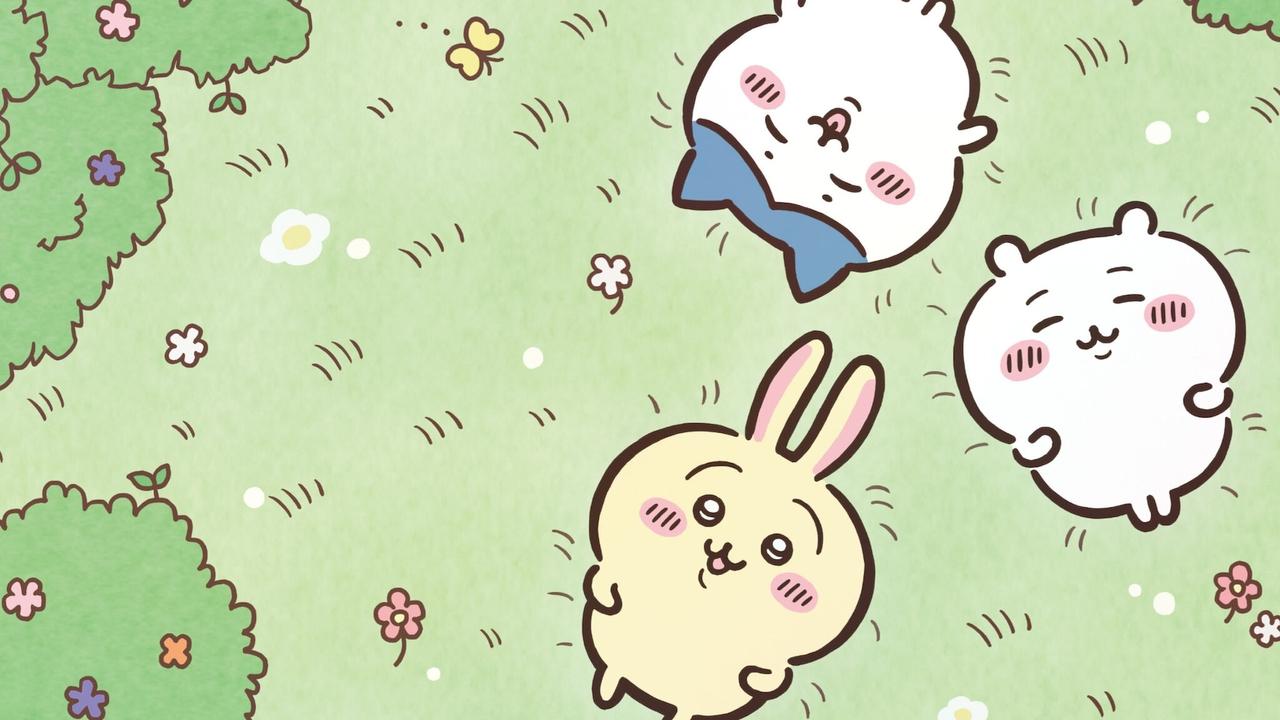
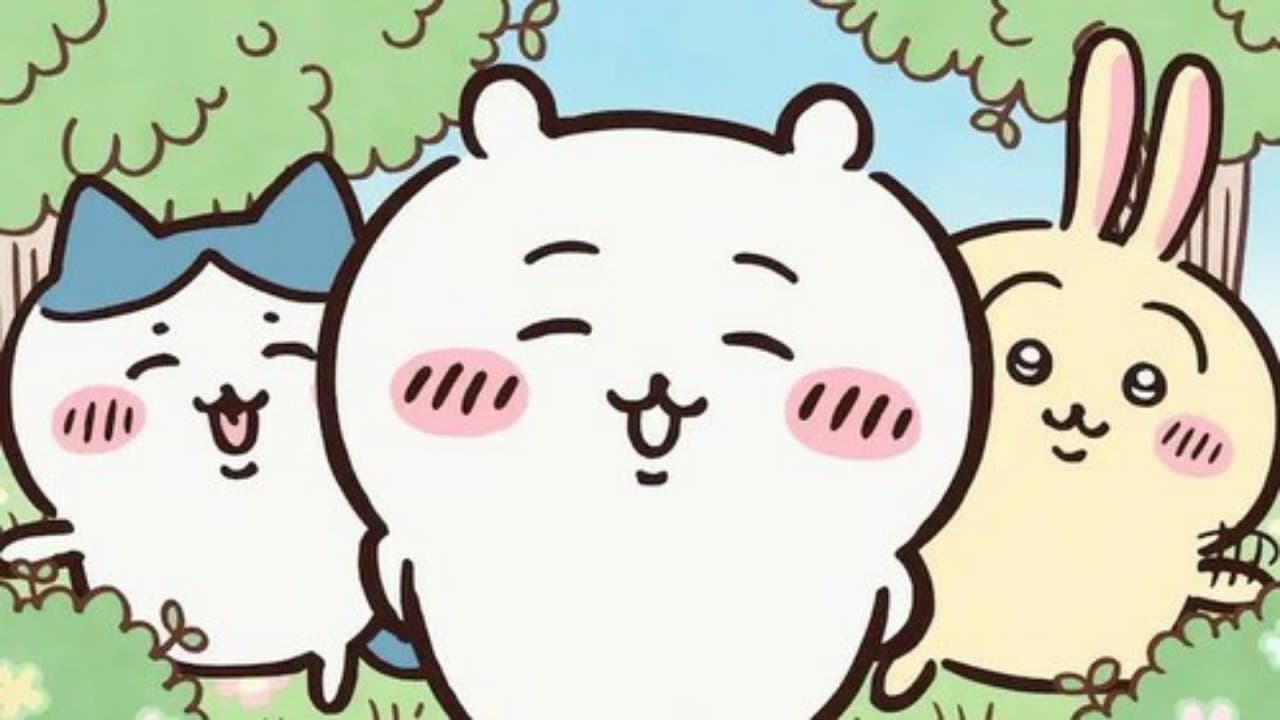
The core cast most people associate with the franchise is Chiikawa, Hachiware, and Usagi. They are simple designs, but that simplicity is doing a lot of work. The characters are visually cute enough to function as mascots, yet their reactions carry enough emotional range to support scenes about insecurity, effort, disappointment, and the strange little humiliations of daily life.
That tonal balance is the real trick. Chiikawa blends sweetness with tension, and that combination gives the series more bite than a casual glance suggests. The stories can pivot from innocent comedy to anxiety in a way that feels familiar rather than melodramatic. It is not nihilism dressed up as pastel decoration. It is closer to the feeling of being small in a noisy world, then finding that the joke still lands anyway.
Why the franchise spread so widely
Chiikawa’s wider success comes from more than the manga itself. The brand now shows up through merchandise, collaborations, convenience-store tie-ins, cafes, and shops, which is the modern Japanese IP playbook at full strength. But the property had an advantage other franchises envy: its short panels and expressive faces translate brilliantly into social media and short-video formats. In other words, the material was already optimized for the platforms that reward fast emotional recognition.
The result is mainstream visibility that is not limited to core manga readers. People encounter Chiikawa as a meme, a plush, a café menu, a store display, a short clip, or a comic repost. That layered presence matters. It keeps the brand in circulation even when individual readers are not actively catching up on chapters.
If you want related context on how the franchise is crossing into cinemas and wider public attention, the film announcement has its own deeper write-up in Chiikawa Movie: Japan’s Biggest Web IP Hits Cinemas. And if your interest is less about the brand itself and more about the language angle, the series is one of the cleaner examples of how pop media can support study habits. That is where the title’s appeal starts to overlap with practical learning, not just fandom.
The first film and what the release date means
Chiikawa is getting its first theatrical film, titled Chiikawa: The Secret of Mermaid Island, with the Japanese title Eiga Chiikawa Ningyo no Shima no Himitsu. The film is scheduled to open in Japanese cinemas on 24 July 2026. For a franchise that grew out of web-first posting, this is a significant milestone. A movie does not just extend the brand; it codifies it. Studios do not hand out theatrical releases to properties they think are fads they can ride out for a quarter.
At the same time, this kind of expansion raises the obvious pre-release question: is there a Chiikawa leak worth paying attention to? As of the confirmed information available here, there is no verified leak to treat as fact. If you are following Chiikawa news, keep your skepticism intact until official materials land. Internet rumor mills are enthusiastic little machines, but enthusiasm is not evidence.
And yes, people are already thinking ahead to Chiikawa 2027 and beyond, because that is what happens when a franchise becomes both a character brand and a media pipeline. Still, only one date is confirmed: 24 July 2026 for the theatrical opening in Japan.
Where to watch and stream Chiikawa
For now, the key distinction is simple: the movie has a Japanese theatrical release date, while the TV anime is the entry point you would look for on streaming platforms. If you want to watch Chiikawa, start with the anime rather than waiting for the film to appear somewhere convenient. That is the sensible route, and rare enough in fandom to deserve praise.
Because streaming availability can change by region and licensing window, the safest approach is to check the current catalog of major anime streaming services in your country and the official Chiikawa channels for the latest distribution details. The franchise’s social-media presence means official updates are usually easy to track once they are public. The important thing is to separate confirmed release information from speculation, especially in a property that generates a lot of enthusiastic chatter.
If you are specifically interested in Chiikawa as a study aid, the combination of clear expressions, short lines, and ordinary situations makes it a good fit for beginner-to-intermediate listening and reading practice. That is also why search phrases like Chiikawa kanji and Chiikawa japanisch lernen keep showing up: the series sits right at the intersection of entertainment and low-friction language exposure.
Which is why Chiikawa matters now, not just as a cute character brand but as a case study in how a small, highly shareable manga becomes a multi-format cultural fixture. That growth was visible from the start, and the 2026 film simply gives it a new stage.
Frequently Asked Questions
What is Chiikawa?
Chiikawa is a web manga and social-media manga by Nagano that began on X in 2020, later expanded into a book series and a TV anime.
When is the Chiikawa movie release date?
Chiikawa: The Secret of Mermaid Island is scheduled to open in Japanese cinemas on 24 July 2026.
Who are the main Chiikawa characters?
The main characters highlighted here are Chiikawa, Hachiware, and Usagi.
Where can I watch Chiikawa?
The TV anime is the version to look for on streaming platforms; availability depends on region and current licensing, so it’s best to check major anime services and official updates.
Is Chiikawa good for learning Japanese?
Yes. Its short lines, clear emotions, and everyday situations make it useful for beginner-to-intermediate Japanese practice.