
That shift makes a lot of sense in Akihabara, where anime culture, gaming, and themed hospitality already sit side by side. For Japan learners, it’s also a neat reminder that everyday service language like よろしくお願いします (yoroshiku onegaishimasu, please take care of me / please be kind to me) and ありがとう (arigato, thank you) can matter just as much as textbook grammar.


Akihabara maid cafes are adjusting to the tourism boom
Akihabara maid cafes are changing the way they welcome guests, and the reason is simple: Japan’s tourism boom is bringing in more visitors who don’t speak Japanese. According to Kyodo News, maids at a Tokyo cafe in Akihabara are ramping up English efforts so overseas customers can follow the service, the atmosphere, and the playful interaction that maid cafes are known for.
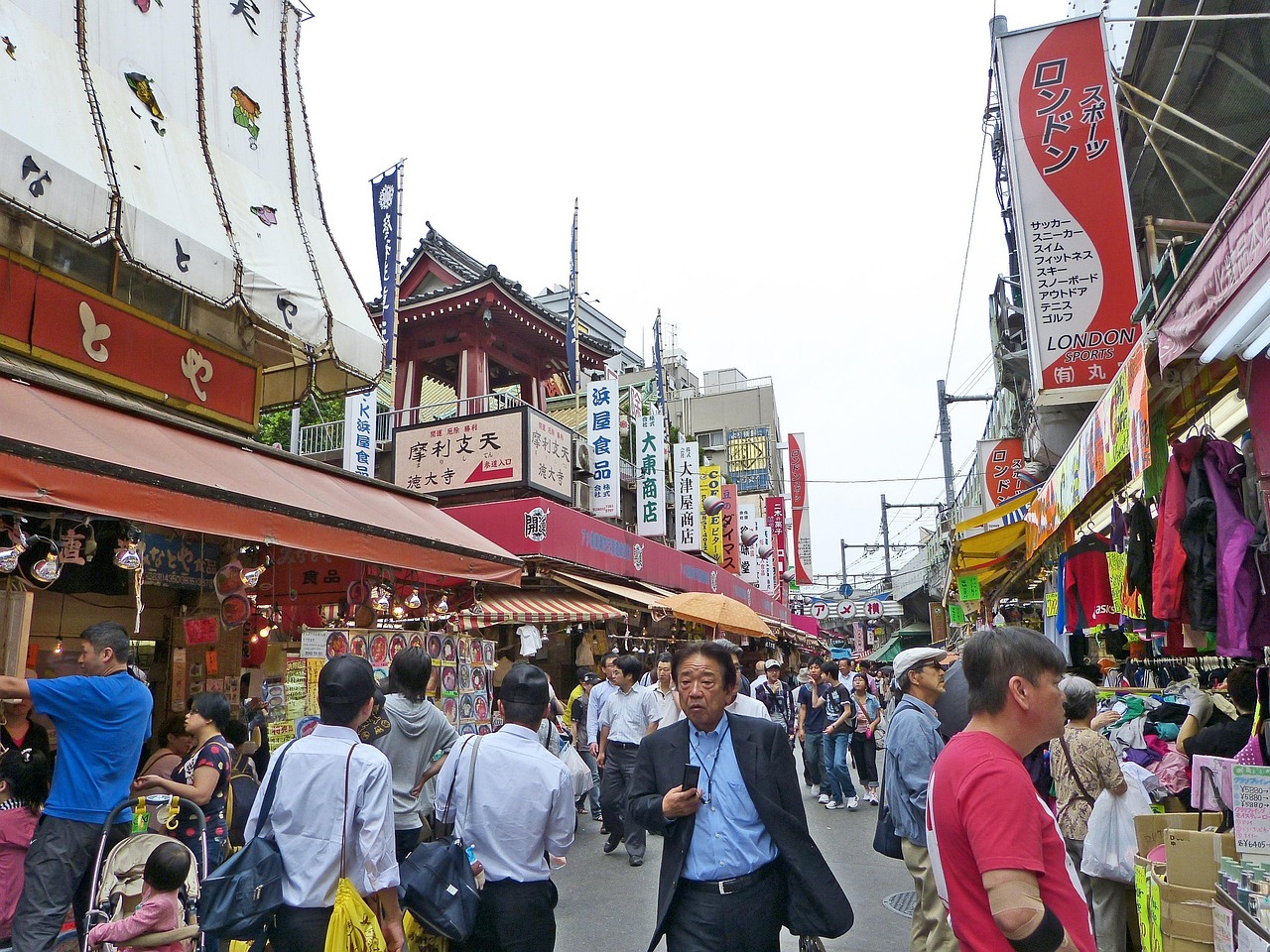
Akihabara is the right place for this kind of response. The district is already one of Tokyo’s best-known stops for anime, game culture, electronics, and theme cafes, so foreign visitors often end up there whether they planned to or not. Classic Japan, isn’t it? When tourism rises, places that rely on atmosphere have to make that atmosphere readable, not just cute.
What stands out here is that the shift isn’t about turning the cafe into something else. It’s about preserving the maid cafe experience while making it easier to understand. That means clearer English, more comfortable greetings, and a smoother way for staff to explain how things work. Sounds small, but in a themed setting, small things do the heavy lifting.
While we’re at it, this also tells us something about how Japanese service culture adapts. Hospitality in Japan has always been polished, but it’s often built around local assumptions. When more guests arrive from abroad, that polish has to include language support. From my perspective, that’s one of the most interesting parts of modern travel in Japan: the details change before the brand does. Wait, there’s more.
What English training looks like on the floor
Kyodo’s feature says staff are taking conversational English lessons, which is a practical move for any business that depends on live interaction. Maid cafes are not passive restaurants. They’re performance spaces, and the conversation is part of the product. If a guest can’t understand the basic rules or the playful script, the whole visit can feel awkward fast.
That’s why English training is so important here. Staff don’t need to sound like news anchors. They need enough language for greetings, menu guidance, simple questions, and polite explanations. For Japanese learners, this is a useful reminder that service English and service Japanese both lean heavily on short, friendly phrases. In Japanese, the rhythm matters, not just the vocabulary. Even a basic phrase delivered with the right tone can make the interaction feel natural.
My tip: if you study Japanese, pay attention to the language of hospitality, not just casual conversation. Words like おめでとう (omedetou, congratulations), 大丈夫 (daijoubu, okay / all right), and お願いします (onegaishimasu, please) come up everywhere in real life, from cafes to ryokan to train stations. That kind of practical vocabulary is often more valuable than a random list of difficult kanji. Seriously though, it’s the stuff travellers actually hear.
Why maid cafes need more than translation
A maid cafe is partly about mood, so literal translation alone won’t solve everything. The staff need timing, body language, and a feel for how much explanation a guest needs. If the English is too stiff, the charm disappears. If it’s too loose, the service can lose its structure. Simply brilliant when the balance works, but not easy to pull off.
Oh, almost forgot: Akihabara’s appeal has always been that it turns niche interests into a destination. Foreign tourists who arrive because of anime or gaming may not know the customs of a maid cafe, so having staff who can bridge that gap helps the district feel more welcoming without sanding off its personality. From my experience, that kind of adaptation is usually the difference between a fun novelty and a place people remember enough to recommend. Convinced yet?
Why this matters for Japan fans and language learners
For Japan fans, the story is a nice snapshot of how tourism and subculture are colliding in one neighbourhood. Akihabara is no longer just a destination for domestic fans. It’s part of the international Japan travel circuit, and businesses there are adjusting in real time. That response can feel very Tokyo: fast, practical, and a little playful.
For language learners, there’s a bigger lesson. Real Japanese is not only what you find in apps or textbooks. It’s also the language of service, comfort, and atmosphere. If you’re learning Japanese for travel, study the words that appear in shops, cafes, and customer interactions. That includes greetings, polite requests, and easy responses. It sounds simple, but it’s exactly what makes a visit smoother.
Let’s be honest: if a cafe can make a foreign guest feel included with a few well-placed phrases, that guest is far more likely to come back. And in a district like Akihabara, repeat visits are gold. The English push isn’t a gimmick, it’s a business response to a changing crowd. Wait, there’s more.
While we’re at it: if you enjoy reading about how Japanese places adapt to visitors, keep an eye on this kind of reporting. These small service changes often reveal more about modern Japan than the big headline numbers do. They show how tradition, entertainment, and tourism keep negotiating with each other, one greeting at a time.
Read more: more Japan news on jpnerd.com
Frequently Asked Questions
Why are Akihabara maid cafes offering more English support?
They are responding to rising foreign tourism in Tokyo and want overseas guests to understand the experience more easily.
What does this mean for Japanese learners?
It highlights useful real-life language, especially greetings, polite requests, and basic service phrases.
Why is Akihabara the focus of this trend?
Akihabara is a major hub for anime, gaming, and themed cafes, so it naturally attracts many international visitors.