If you’re learning Japanese, this is also a useful window into the word 喫茶店 (kissaten, Japanese-style coffee shop; café) itself, a term that points to a very specific kind of Japanese coffee shop. It’s a small piece of vocabulary, but it opens the door to a much larger story about Kabukicho, Shinjuku, and the quiet endurance of Showa-era city life.


Kabukicho at night is built around persistence
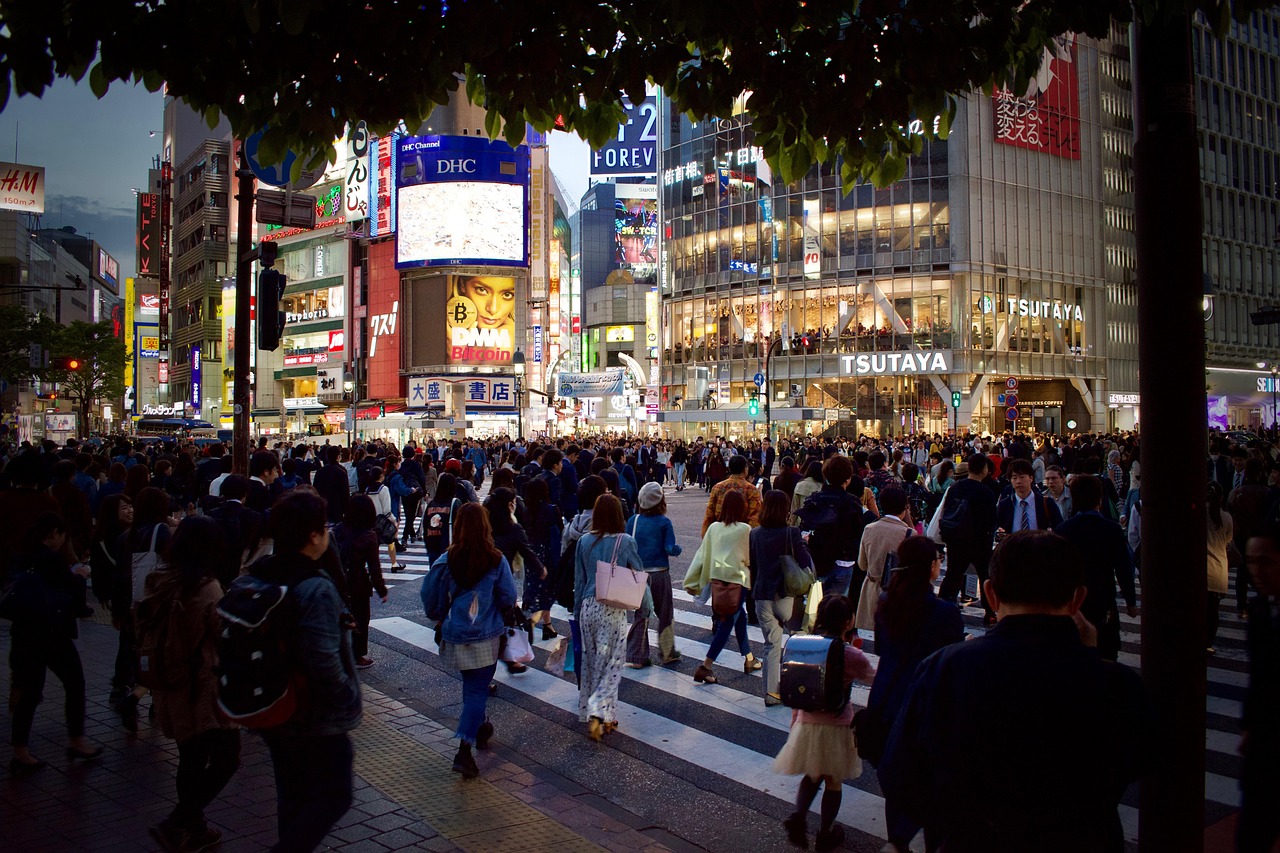
Shinjuku's Kabukicho is one of Tokyo's best-known nightlife districts, and it changes character after dark. Neon stays on. Bars fill up. Streets get busy, then busy in a different way. In that setting, a late-night cafe doesn’t feel out of place at all, because the district itself runs on extended hours and constant movement.
The most interesting part of the Kabukicho story isn’t only the entertainment district image. It’s the infrastructure around it, the places that support the people moving through it. A cafe that stays open through the night becomes part resting point, part meeting spot, part landmark. That’s why a kissaten in Kabukicho matters. It gives the area a slower rhythm inside a fast one. Seriously though, that contrast is the whole point.
What a kissaten means in Japanese daily life
A kissaten is a Japanese-style coffee shop. The word is written 喫茶店, and it originally distinguished a place for tea and coffee from a modern cafe or a bar. According to Kissaten - Wikipedia, these shops developed in the early 20th century, when the cafe scene in Japan began to split into different types of venues.
That history still shows up in the atmosphere. A kissaten usually feels more settled than a chain cafe. You get counter seating, careful service, and a menu that often includes classic drinks and simple food. For Japanese learners, kissaten is a good vocabulary word because it carries cultural meaning, not just dictionary meaning. It’s one of those terms that tells you something about the room, the pace, and the kind of customer it serves. Basically, if you know this word, you understand a small but important piece of Japanese urban culture.
Useful language connection
If you’re building your Japanese vocabulary, kissaten sits neatly beside other everyday words such as 喫茶 (kissa, tea and coffee service; café), coffee-related loanwords, and neighbourhood terms like 町 (machi, town; neighborhood) and 夜 (yoru, night). You don’t need advanced grammar to use it. You just need the context. That makes it a practical word for learners who want to read travel writing, local guides, and older Tokyo stories without feeling lost. Wait, there’s more.
Why Kabukicho and Shinjuku suit a near-all-night cafe
Shinjuku is a major transport hub, so people pass through at all hours. Kabukicho adds nightlife traffic, late dinners, and workers finishing shifts after midnight. No wonder a place like this needs businesses that stay open later than usual. A cafe that’s almost always on fits that pattern better than a daytime-only spot.
What I especially like about this kind of place is that it doesn’t have to sell itself as an attraction. It works because it’s useful. Travellers need somewhere to pause. Locals need somewhere predictable. Night workers need coffee, a meal, or just time to sit down. That’s why old-school cafes still matter in modern Tokyo. They’re part of the city’s practical fabric, not just its visual image. Convinced yet?
Tokyo After Dark without the noise
Tokyo After Dark is often described through bars, neon, and late trains, but a kissaten adds another layer. It softens the pace. It gives the district a room where the music is lower, the lights are steadier, and the purpose is clear. Compared with the louder parts of Kabukicho, that restraint feels almost formal.
For readers who want to understand Japan beyond travel clichés, this is a useful detail. The late-night cafe isn’t a contradiction. It’s a very Tokyo solution. A dense city creates demand for places that can absorb people at odd hours. The kissaten answers that demand with familiarity rather than spectacle. That’s why these places keep their place in the city.
How to read the scene like a Japan learner
Here’s the thing: you don’t need to chase every famous address in Shinjuku to understand what is going on. Start with the vocabulary. Kabukicho tells you the district. Shinjuku tells you the wider ward and transit context. Kissaten tells you the kind of space. Put them together, and you have a compact map of Tokyo culture that is easy to remember.
For learners, this is also a good reading strategy. When you see a place name, ask what it signals. Is it business, nightlife, station access, old Tokyo, or a specific subculture? That simple habit makes articles like this much easier to read. Pro tip: keep a short notebook of place words and food words, because Japanese media uses them constantly. Sounds weird, but it’s true.
In the end, Kabukicho's almost-never-sleeping cafe scene isn’t really about being trendy. It’s about endurance, service, and a style of hospitality that still has a place in Shinjuku. If you want to read Tokyo more accurately, that’s a good place to start. more Japan news on jpnerd.com
Frequently Asked Questions
What is a kissaten?
A kissaten is a traditional Japanese coffee shop with roots in early 20th-century cafe culture.
Why is Kabukicho important?
Kabukicho is one of Tokyo's best-known nightlife districts, so late-opening cafes fit the area naturally.
Why does this matter for Japanese learners?
It gives you useful everyday vocabulary and shows how place names and food words carry cultural meaning.