For Japan fans and language learners, this is also a neat window into how people talk about company survival, family duty, and rebuilding, basically the kind of quiet drama that doesn’t always look dramatic from the outside. But it certainly was.


Sigma in Hakone, 1965: the year that changed the company’s direction
Sigma’s Hakone connection in 1965 matters because it marks a turning point, not just a scenic backdrop. According to the source material, the company founded by Michihiro Yamaki was facing a serious period of strain, and Hakone became the place associated with that pressure and the push to recover. The number itself is simple, but the meaning behind it isn’t. 1965 wasn’t about leisure in a hot spring town. It was about a business trying not to fade out.
That’s the kind of corporate story Japan often tells in a quieter register. There’s no need for fireworks. There’s a founder, a family, a balance sheet, and a company name that still has to mean something tomorrow. Hand on heart: those are the stories I tend to find most revealing, because they show how much of Japanese business culture is built on continuity, not just growth. See what I mean?
For a Japanese learner, the useful vocabulary here is pretty ordinary, and that is exactly why it matters. Words like 継承 (keisho) for succession, 再建 (saiken) for rebuilding or rehabilitation, and 経営 (keiei) for management show up in stories like this all the time. They’re not flashy words, but they carry the weight of real companies and real families.
To be fair, you don’t need to know every business term to feel the shape of the story. You just need to see the tension: a company under pressure, a family line involved, and a future that doesn’t feel guaranteed.
Michihiro Yamaki and the family succession problem
Michihiro Yamaki is the name that sits at the beginning of the Sigma story, and the source points to his role as the founder. That matters, because in many Japanese companies the founder isn’t just a historical footnote. He’s the emotional centre, the person whose decisions still echo long after the first product ships or the first office opens. Sigma wasn’t an exception.
What makes the 1965 Hakone reference feel so strong is the family succession angle. The core conflict wasn’t simply “can the company make it?” It was also “who carries it forward?” That’s a very familiar question in Japan, especially in family-run firms, where inheriting the business can feel both practical and deeply personal. The Japanese term you will often see in this kind of context is 社長 (shacho, company president) for president, but the real issue is bigger than a title. It’s about trust, timing, and whether the next generation can step in without breaking the machine.
That reminds me: a lot of Japan’s business stories aren’t really about business at all. They’re about relationships, obligation, and the strange tenderness of keeping something alive when it looks tired. Sounds heavy, but it’s true.
In Sigma’s case, the family element gives the story its human edge. You can almost feel the pressure of trying to preserve a name, a product line, and a reputation at the same time. My tip: when you read Japanese company history, pay attention to founder names. They’re often doing more work than the headline suggests, and they usually tell you where the emotional centre of the story is.
Why Hakone works as a corporate turning-point setting
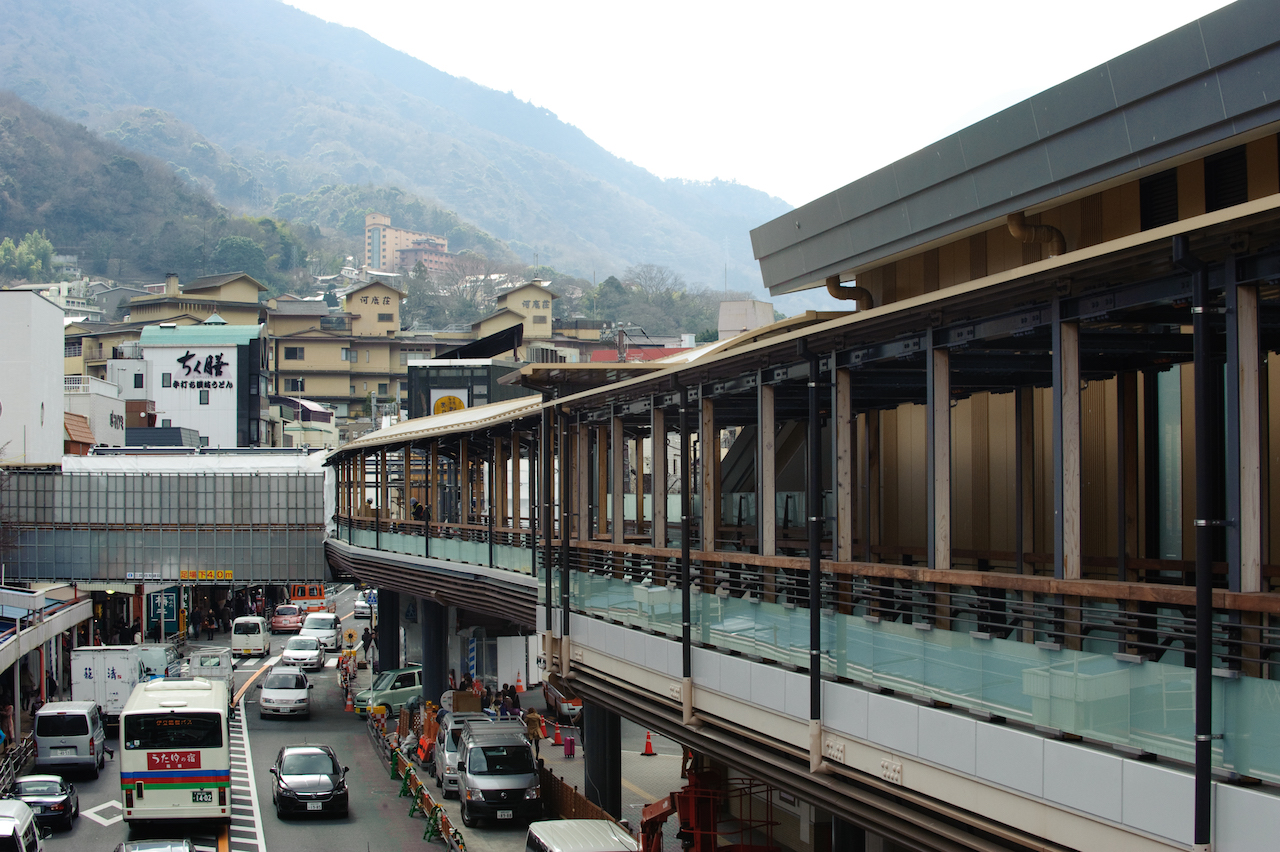
Quick detour: why Hakone? Because Hakone is never just one thing. It’s a mountain town, a resort area, a place of travel, rest, and pause, but also a place where people go when they need distance from ordinary life. That makes it a surprisingly fitting setting for a company under strain. The scenery is gentle, but the decisions made there can be anything but.
In Japanese media, Hakone often appears as a reset space. A ryokan stay, a walk near the lake, a quiet shrine visit, a long train ride out of the city… and suddenly the mind has room to think. In corporate terms, that kind of space can be important too. Not because mountains solve accounting problems, obviously, but because they can create the kind of pause where people finally admit the problem out loud. And then the real work starts.
On a related note: this is why place names matter so much in Japanese history pieces. Hakone isn’t there for decoration. It gives the story texture. It tells you this wasn’t happening in a boardroom vacuum, but in a lived-in Japanese landscape where rest and pressure sit side by side. Highly recommended: if you enjoy company histories, look for the geography as much as the corporate chart.
That geography also helps explain why the Sigma story feels so distinctly Japanese. A company doesn’t just “recover” in the abstract. It recovers somewhere, under specific conditions, with people carrying specific responsibilities. And that was that.
What Sigma’s 1965 crisis says about Japanese company culture
Plot twist: a “dying” company can become the place where the next chapter begins. That’s the quiet lesson I take from the Sigma story. When a business is under real pressure, the easy reading is failure. The harder reading is adaptation, and sometimes renewal. Sigma’s later identity makes more sense when you place it against this earlier period of strain, family duty, and the effort to keep the company from slipping away.
For Japan enthusiasts, this is one of those stories that rewards patience. You don’t get a loud transformation scene. You get succession, recovery, and persistence, the slow kind. That is very often how Japanese firms survive, especially when founder legacy and family responsibility are both on the table. The spreadsheet says I’m thriving; the spreadsheet has never met a Tuesday night. Companies can feel that too.
And if you are learning Japanese, there is a nice bonus here. Words around rebuilding, inheritance, and management are useful far beyond business history. They show up in family discussions, news articles, and everyday explanations of how Japanese institutions keep going. That makes this story more than a camera company anecdote. It becomes a small vocabulary lesson in how Japan talks about survival.
Personally, I like corporate stories like this because they refuse to flatten companies into logos. There are people behind the brand, and sometimes there is a very specific place, year, and family tension behind the brand too. Sigma in Hakone, 1965, has all three.
Frequently Asked Questions
Why is Hakone important in this Sigma story?
Hakone serves as the historical setting for a difficult company moment in 1965, so it anchors the story in a specific place and time.
Who is Michihiro Yamaki?
He is identified as the founder of Sigma and a central figure in the company’s early history.
What is the main conflict in the article?
The main conflict is the pressure of family succession and corporate rebuilding while the company was under strain.