For Japan fans and language learners, this is one of those quietly important stories where agriculture, branding, and everyday vocabulary meet. You know how it goes: a cup of tea looks simple until you look at the supply chain, the region name, and the people trying to keep a local industry alive.


Kagoshima tea is looking for its next chapter
Kagoshima tea farmers are in the middle of a very modern problem, and a very old one at the same time. The modern part is the 抹茶 (matcha) boom, which has turned powdered green tea into a global trend, and the old part is the same question Japanese producers have faced for years: how do you make your region stand out when the market keeps getting louder?
According to the original reporting from KYT via NTV, the broader global tea landscape still leans heavily towards China, which accounts for about 70% of world share. That number matters, because it reminds us that Kagoshima isn’t trying to win a tiny local contest, it’s trying to carve out space in a giant field where scale, pricing, and identity all matter at once. Sounds heavy? It is. But tea people are used to long games...
What I especially like about tea stories is that they rarely stay just agricultural. They become language stories too. If you’re learning Japanese, words like お茶 (ocha, tea), 茶園 (chaen, tea field) (tea field), 生産 (seisan, production) (production), and 栽培 (saibai, cultivation) (cultivation) start feeling less like textbook items and more like working vocabulary. Suddenly a regional product isn’t just a souvenir, it’s a map of labour, weather, and local pride. Wild, isn’t it?
Why the matcha bubble changes the game
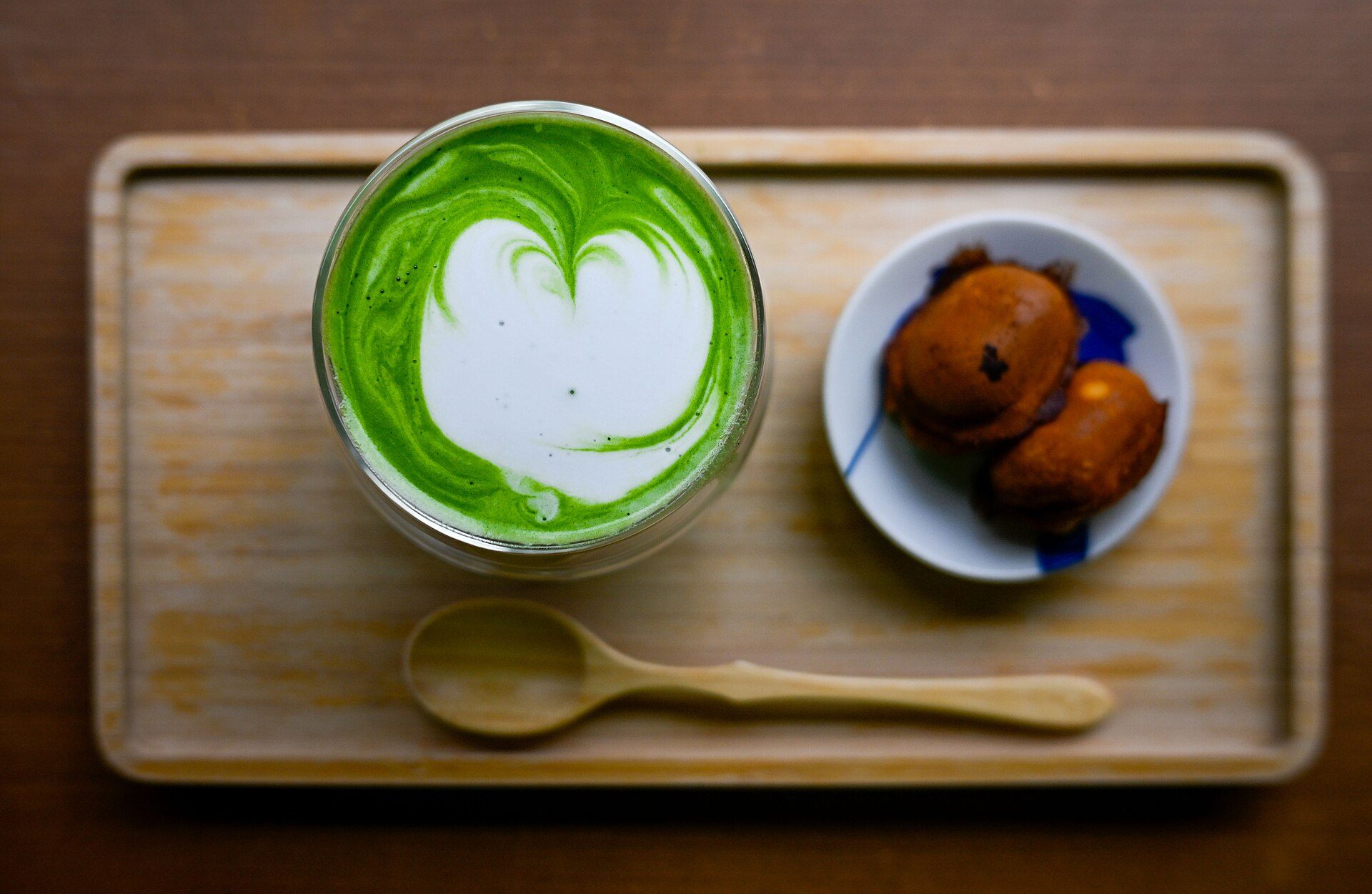
The matcha bubble has done two things at once. It has made Japanese green tea more visible overseas, and it has made the market more selective. When everyone wants matcha, not every producer gets the same benefits, because buyers are also asking about quality, origin, processing method, and whether a tea can be positioned as something special rather than just green and powdery.
That’s why Kagoshima tea farmers are being forced to think beyond volume. The old model of simply growing a lot and moving product isn’t enough when consumers, distributors, and cafes are paying more attention to story, colour, aroma, and traceability. Speaking of which... this is where regional branding starts to matter in a very Japanese way, because place names still carry real weight in food culture. Kagoshima isn’t just a prefecture, it’s a promise of origin.
To be fair, not every farmer wants to chase the same premium lane, and not every tea field can or should become matcha-focused. Some producers will keep serving the everyday cup, the kind people drink at home after dinner or serve to guests without making a speech about it. That everyday role still matters. Japan runs on quiet habits like that.
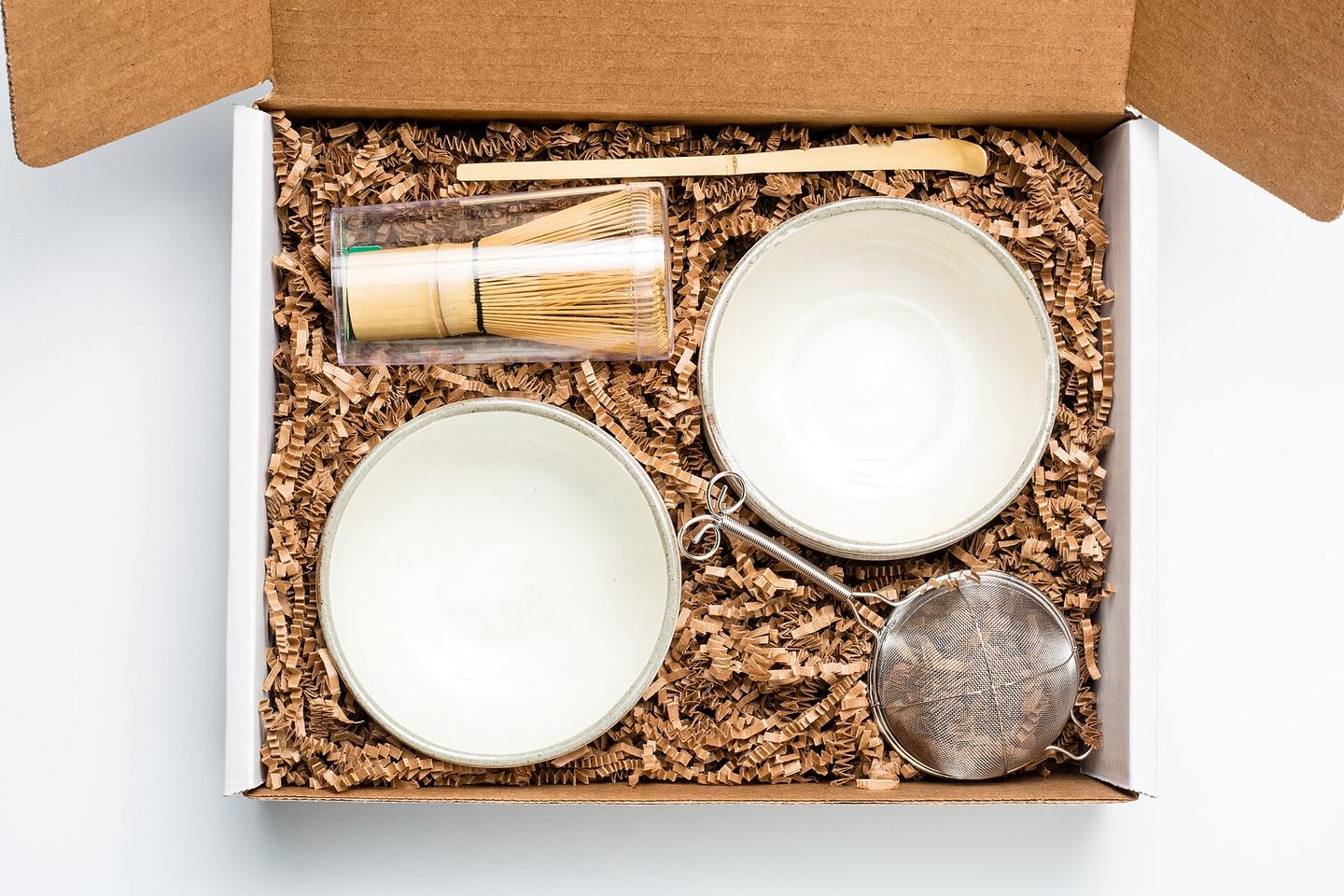
And then the market hit. Once global demand accelerates, the pressure to differentiate gets sharper, because a regional tea has to compete on more than taste alone. Packaging, mill type, cultivar, organic certification, export readiness, and even the story told by a local cooperative can become part of the price. The spreadsheet says I'm thriving; the spreadsheet has never met a Tuesday night, and tea farming probably feels a bit like that too.
Kagoshima's next era strategy
The next era strategy, at least in broad terms, is clear enough: Kagoshima has to move from being a large producer to being a clearly chosen producer. That means more emphasis on branding, export strategy, and product differentiation, especially in the matcha category where international buyers are comparing Japanese supply with tea from elsewhere, and with the huge scale of China’s market influence hanging in the background.
My tip: if you’re studying Japanese, pay attention to how often local industry reporting uses words like 育てる (sodateru, to cultivate; to nurture) (to cultivate, to nurture) and suru forms tied to business action, because these articles are full of the language of adjustment rather than drama. That’s the real texture of regional Japan. Change usually arrives as process, not as a headline with fireworks.
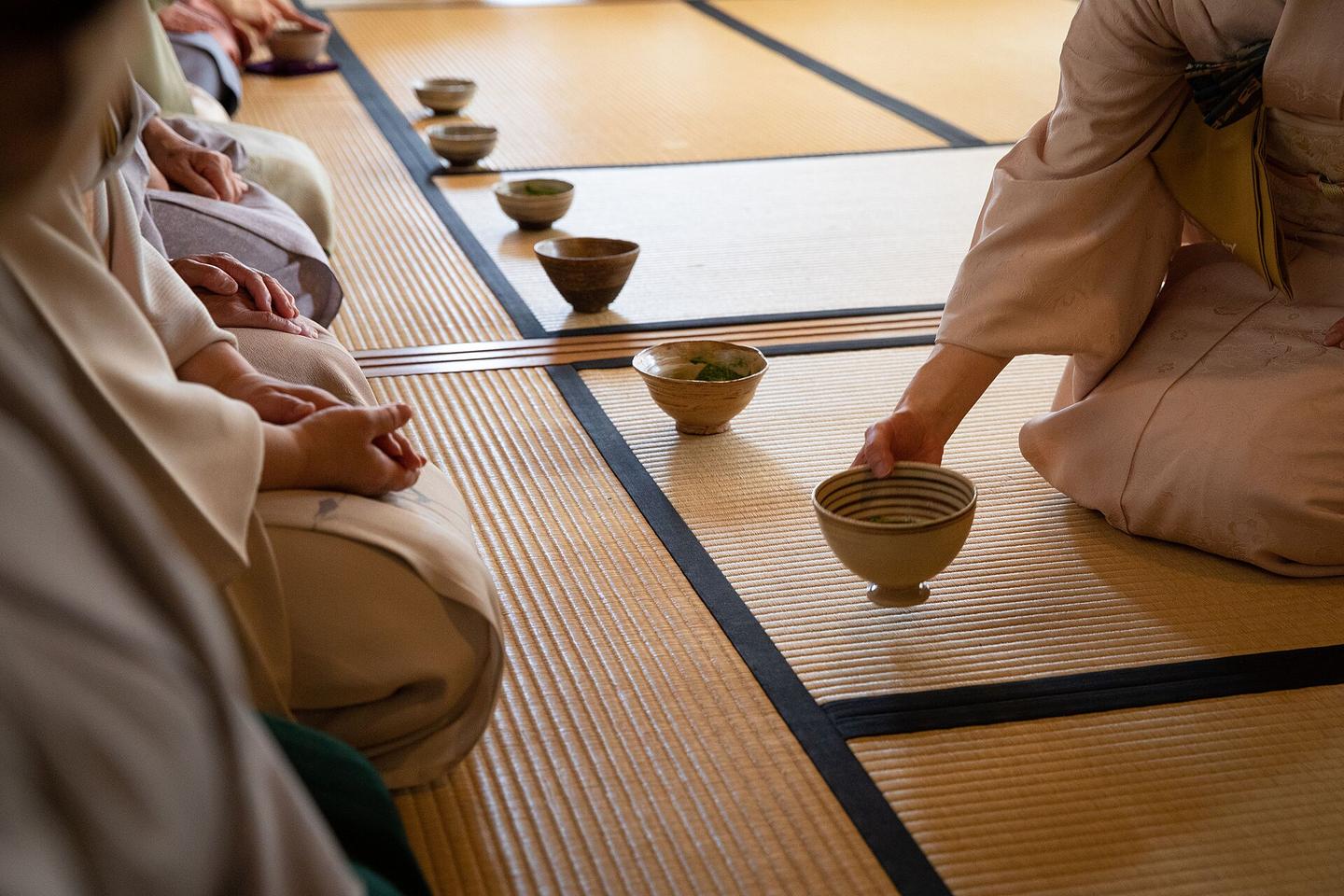
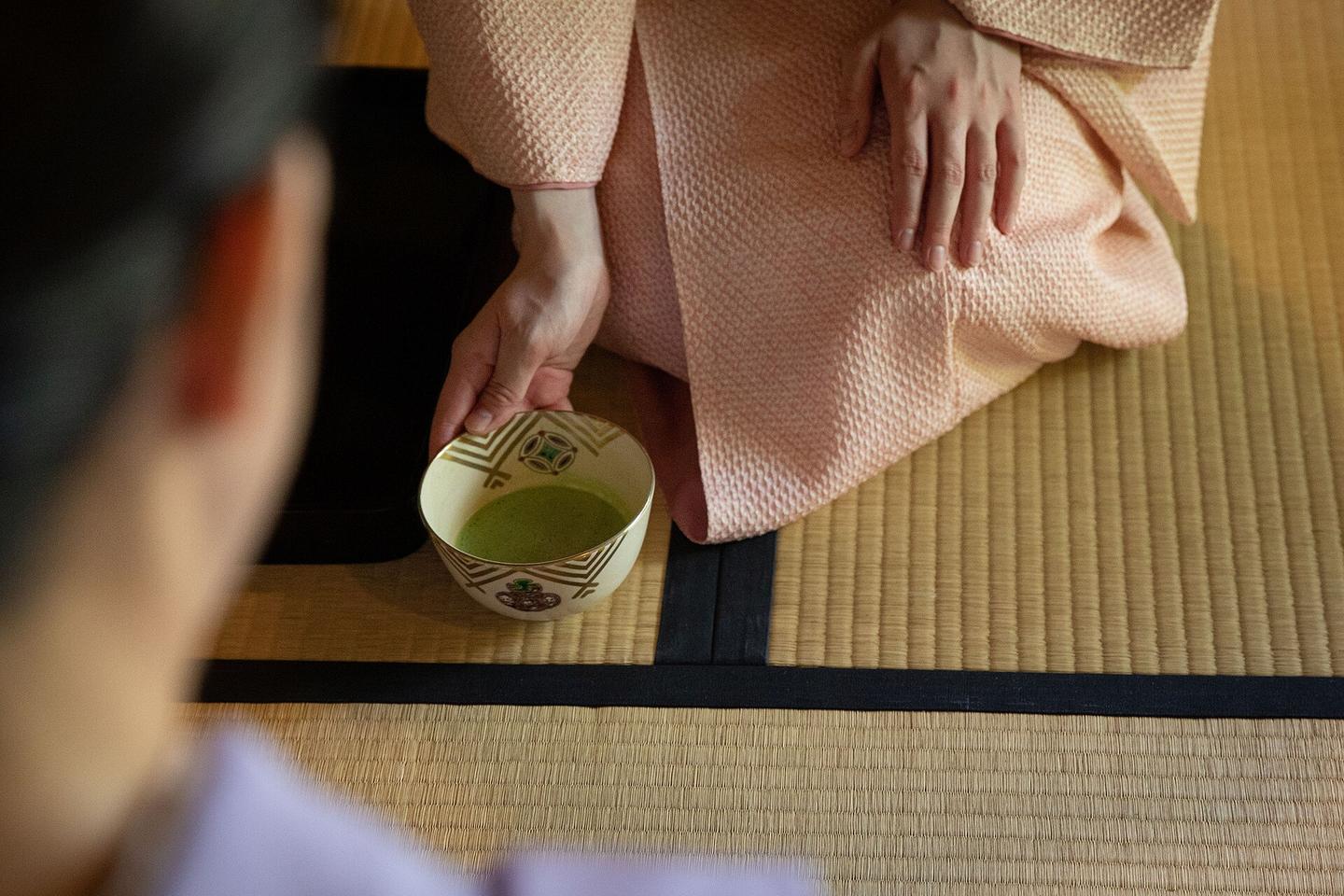
There’s also a deeper cultural point here. Japanese tea has always had layers, from the formal to the everyday, from 茶の湯 (chanoyu, tea ceremony culture) culture to the plastic bottle from the convenience store. Kagoshima sits inside that whole range, and its farmers are now being asked to translate local land into global value without losing the thing that made the land meaningful in the first place. Not bad, right?
Personally, I think that is what makes this story worth watching. It’s not only about whether matcha is fashionable this year, but about whether a region can keep its own voice while the market gets louder around it. Wait, there’s more.
Frequently Asked Questions
Why is Kagoshima tea important?
Kagoshima is one of Japan's major tea-producing regions, and its farmers are now trying to stand out in the growing global matcha market.
What does the 70% figure mean?
According to the reporting cited here, China holds about 70% of world tea share, which shows how competitive the global tea market is.
What can Japanese learners take from this story?
It is a useful way to learn business and agriculture vocabulary, while also seeing how regional identity is expressed in Japanese media.