For Japan fans, that matters because 抹茶 (matcha, powdered green tea) isn't just a flavour, it's a whole cultural story, from tea ceremony roots to modern desserts. If you like following local shop openings and trying out Japanese vocabulary like お菓子 (okashi, sweets) and matcha, this is the kind of news that feels nicely on-brand for a Japan trip planner. Sounds good, right?


Patty Cakes opens at Hankyu Tsukaguchi Station
Patty Cakes is the new shop now drawing attention at Hankyu Tsukaguchi Station. According to Kiss PRESS, the store brings a fresh sweets option to this station area, which makes it an easy stop for commuters and snack hunters alike.
That location matters. Station-area openings in Japan often become part of daily life fast, because people can grab something on the way home, between transfers, or before meeting friends. Unlike what we're used to in some countries, a station shop here can become a local landmark almost overnight.
Here's the thing: this isn't just another generic cake counter. Patty Cakes is being noticed as a new arrival with a clear speciality, and that gives it more personality than a plain grab-and-go bakery. Not bad, right?
Uji matcha sweets take the spotlight
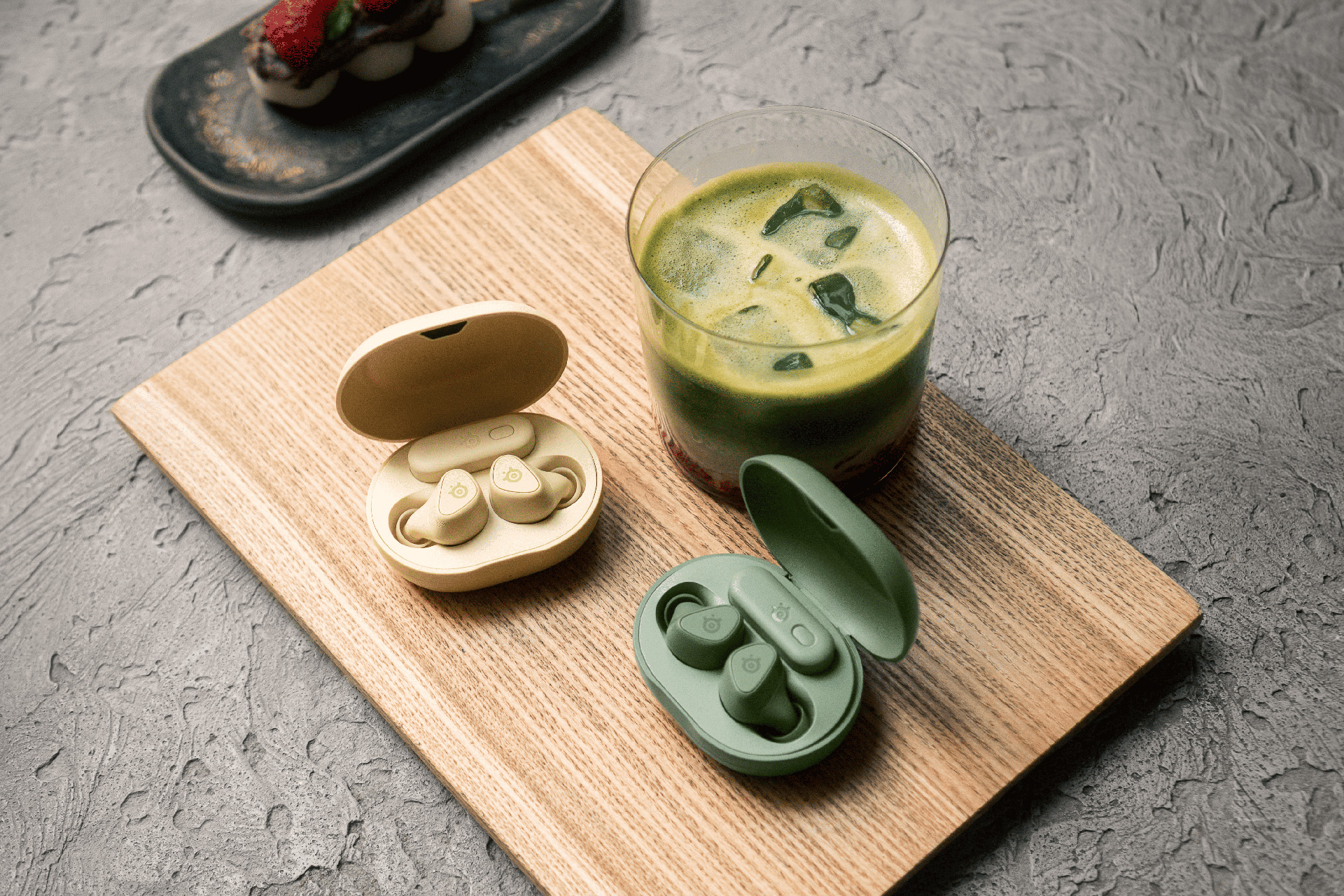
The shop's signature draw is 宇治抹茶 (Uji-matcha, Uji green tea) sweets. Uji, in Kyoto Prefecture, is famous for high-quality tea culture, so when a dessert shop uses that name, it's signalling a specific kind of flavour expectation, deeper green tea aroma, richer bitterness, and a more grown-up sweetness balance.
Take matcha parfaits, cakes, or cream-filled desserts, for instance. Even if the exact lineup changes, the Uji label tells you the shop is leaning into one of Japan's most recognised tea flavours. The reason is simple: matcha sells because it connects tradition with modern cafe culture, and Japanese dessert shops know it.
For Japanese learners, this is a neat little vocabulary cue. Matcha is written as matcha in romaji, and okashi means sweets or confectionery. When you see a shop advertise Uji matcha, it usually implies a more refined tea taste than ordinary green tea flavouring. My tip: if you're learning Japanese through food news, keep an eye on place names like Uji, because they often carry quality associations. See what I mean?
Why station sweets openings matter in Japan
Imagine a narrow alley in Tokyo, then swap that image for a station concourse in Kansai. The energy is different, but the shopping logic is the same: people want something easy, appealing, and local enough to feel worth the stop. That's why a new sweet shop at Hankyu Tsukaguchi Station can get attention quickly.
No exaggeration: Japan's station-adjacent food scene is one of the best ways to track everyday taste trends. A new patisserie, a limited seasonal dessert, or a tea-flavoured cake can tell you a lot about what customers are expected to want right now. Uji matcha fits that pattern perfectly, because it's familiar, premium-leaning, and very photogenic.
What I especially like is how these openings often sit right between convenience and craft. You don't need a full cafe visit, but you still get a dessert with a clear identity. Pretty great, right? If you're exploring Japanese terms as you read about food, this is a good place to notice words like 店 (mise, shop) for shop and 駅 (eki, station) for station, even when the article itself is about sweets. Personally...
Frequently Asked Questions
Where is Patty Cakes located?
It is at Hankyu Tsukaguchi Station.
What is the shop known for?
Its speciality is Uji-matcha sweets.
Why is this news interesting for Japan fans?
It combines a station-area shop opening with a classic Japanese dessert flavour.