For Japan fans and language learners, this is a neat little food story with real vocabulary payoff too. Think cassata, 抹茶 (matcha, powdered green tea), and autumn flavours, all in one polished package.


Jewel Cassata ~Autumn MATCHA~ arrives on 15 September 2026
The clearest detail first: "Jewel Cassata ~Autumn MATCHA~" is set for release on 15 September 2026, according to the original report from mamari.jp. It’s being introduced as the first matcha version in the series, which matters because a product line often finds its identity when a flavour family expands into green tea.
That timing also fits the seasonal rhythm Japanese brands love. Autumn launches tend to lean warmer, deeper, and a little more refined, so matcha is a smart choice here. It feels like a dessert made for the period when people start looking for richer tastes, but still want something elegant rather than heavy.
What many overlook is that the product name itself does a lot of work. "Autumn" signals seasonal marketing, while "MATCHA" makes the flavour cue instantly readable even before you see the package. That kind of naming is very common in Japan, where product labels often carry both mood and information at the same time.
Why matcha still keeps winning
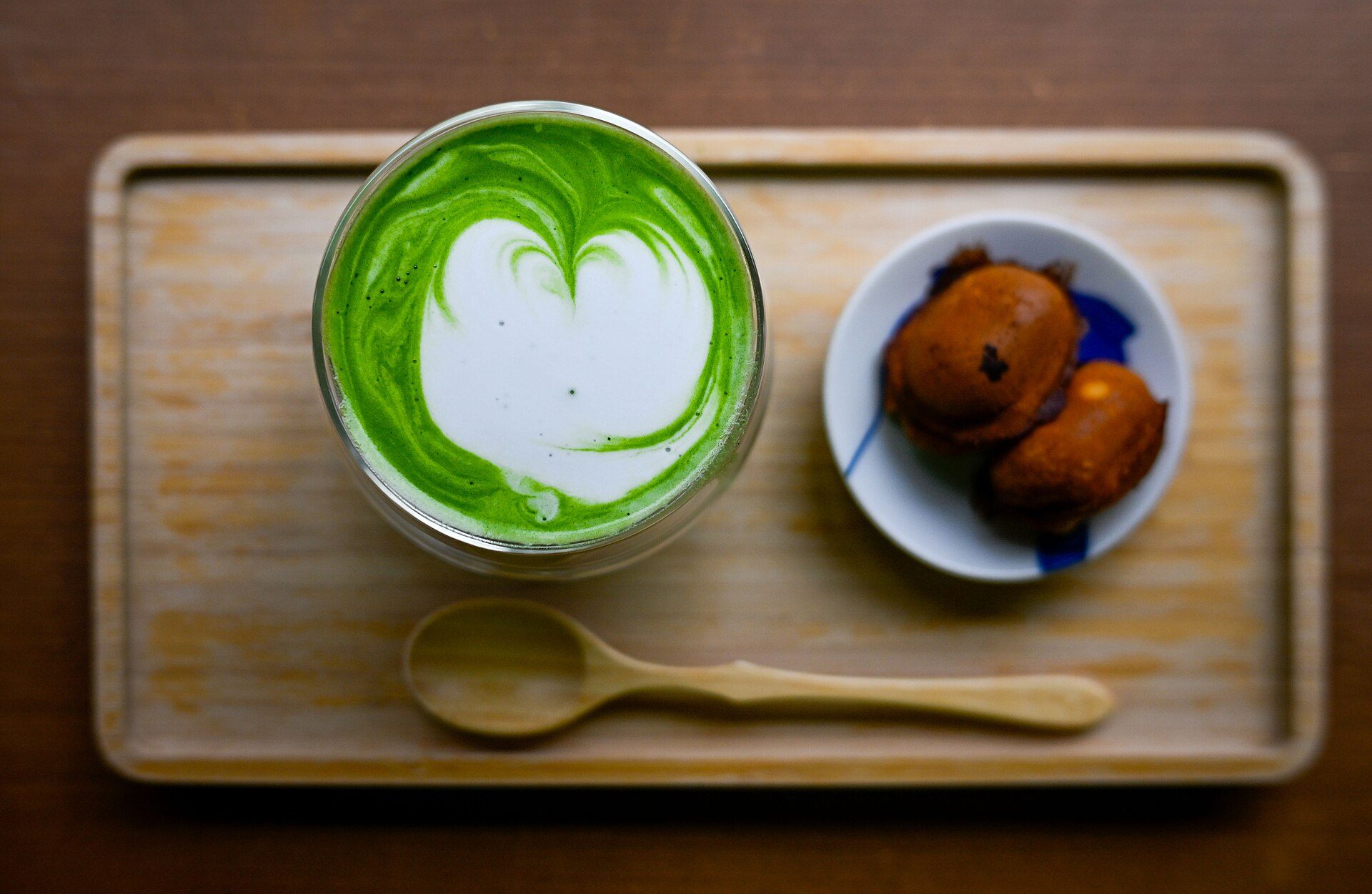
Matcha isn't just a trend that fades after one season. As Volksfreund notes, matcha remains an enduring trend, showing up in cakes, desserts, doriyaki-pancakes, tiramisu, doughnuts, ice cream, and coffee drinks. That broad range is exactly why this cassata release makes sense; it joins a long list of sweets that can carry matcha without feeling forced.
Compared with back home, Japan tends to treat matcha as both flavour and aesthetic. The colour matters. The bitterness matters. Even the contrast with cream, fruit, or sponge can become part of the appeal. For language learners, matcha is also one of those words that’s easy to remember because it appears everywhere, from menus to convenience store packaging.
My tip: when you see matcha in Japanese food writing, pay attention to the partner words around it. If a product says uji, it often points to a premium tea reference tied to Kyoto's Uji area, which has strong tea associations in Japan. That extra layer is part of what makes dessert names feel more specific than a simple flavour label. Not bad, eh?
Cassata, Baumkuchen style, and the Japanese dessert look
Cassata is originally a Sicilian-style frozen dessert, but Japanese brands often remix foreign sweets until they become something neatly local. That’s why this launch lands so well for Japan fans. It isn’t just a copy of a European dessert; it’s a Japanese retail dessert with its own seasonal identity and visual polish.
By the way, the broader Japanese dessert world loves adaptation. カステラ (Castella, Japanese sponge cake) cakes, for example, came from Portugal and evolved into a staple in Japan and Korea, as the The Bored Baker page on matcha castella cake points out. That same remix mindset shows up again and again, whether it’s roll cakes, layered mousse, or packaged ice cream that borrows the look of a high-end patisserie item.
While we’re at it, the "Baumkuchen-style" impression in the German reference makes sense visually, even if the product name itself is cassata. Japanese sweets often blur categories like this, because the focus is less on strict tradition and more on presentation, layers, and mouthfeel. If you read Japanese dessert menus, words like 栗 (kuri, chestnut), 水 (mizu, water), 秋 (aki, autumn), and uji can tell you a lot about the intended atmosphere before you even taste anything.
Pro tip: if you’re learning Japanese, dessert news is a surprisingly good way to build vocabulary. Seasonal words, tea terms, and texture words show up constantly. And because products are often named with English plus Japanese references, you get a nice mix of scripts and meanings without needing a textbook to explain the mood.
Why this release matters for Japan watchers
This isn't a giant launch with dozens of variants, but it doesn’t need to be. The fact that it is the first matcha model in the line is the real story. Product families in Japan often grow step by step, and a strong first seasonal variant can decide whether a range becomes a repeat purchase item or just a one-off.
For people who follow Japan food culture, there is also a simple pleasure in seeing how one flavour travels across formats. Matcha can be a cake, a latte, a parfait, or an ice cream like this one, and each format changes the balance of bitterness, sweetness, and aroma. That’s why dessert releases like this keep getting attention, even when the format sounds familiar.
Convinced yet? If you like tracking Japanese limited editions, this one’s worth noting for the calendar alone. 15 September 2026 is the date to watch, and the product's autumn angle gives it just enough seasonal character to stand out without trying too hard.
Frequently Asked Questions
What is Jewel Cassata ~Autumn MATCHA~?
It is a matcha-flavoured dessert product in the Jewel Cassata series, with an autumn theme and a release planned for 15 September 2026.
Why is this release notable?
It is the first matcha model in the series, so it marks an important flavour expansion for the product line.
Why do Japan fans care about matcha desserts?
Matcha is a major flavour in Japanese sweets, and it often appears in seasonal products, premium desserts, and limited-edition launches.