That matters because Japanese writing isn’t just about recognising shapes, it’s about learning how those shapes are built and how a single 漢字 (kanji, Chinese character) can change sound depending on the word. If you get that early, the rest of the language feels a lot less random.


Japanese learning gets easier when you stop guessing
Imagine a narrow alley in Tokyo. You can read the signs faster when you know the basic writing rules, and that’s exactly why beginners should care about stroke order and multiple readings from the start. Basically, Japanese isn’t about memorising isolated symbols, it’s about learning a system that rewards pattern recognition.
The idea sounds simple, but it saves time later. A kanji written in the right order is easier to write neatly, easier to remember, and often easier to recognise when you see it again in a different font or context.
For example, the same character can show up in a school notebook, a train sign, or a menu, and the shape still needs to feel familiar. Sounds good, right?
According to the original Instagram lesson at Instagram, the focus is on making these beginner basics less intimidating, which is exactly the right angle for new learners. Rather than throwing dozens of kanji at you, the lesson encourages a more controlled approach: learn the strokes, then learn how the reading changes.
Stroke order is not decoration
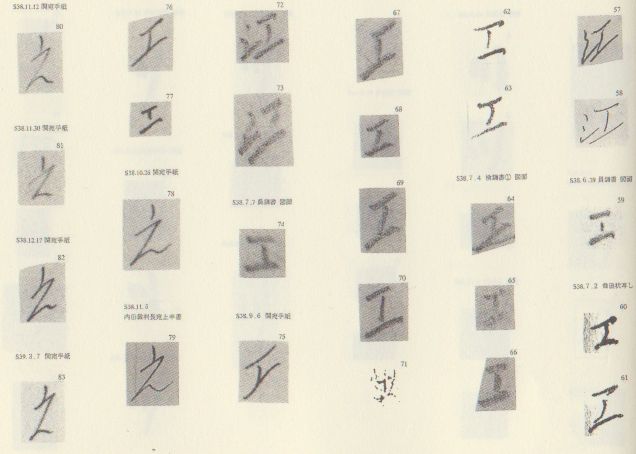
Let’s be honest: a lot of beginners treat stroke order like optional style advice. It isn’t. Japanese writing has a logic, and stroke order helps you follow it, especially when you start writing by hand.
Most characters are built from top to bottom, left to right, with outer shapes often drawn before the inner parts. That pattern makes the character flow naturally, and it helps you remember the structure instead of copying a picture.
What most people don’t know is that stroke order also affects speed. If you write the same kanji often, a good order turns into muscle memory, and that makes note-taking much less painful. My tip: don’t chase perfection on day one, but do learn the order while the character is still new. Convinced yet?
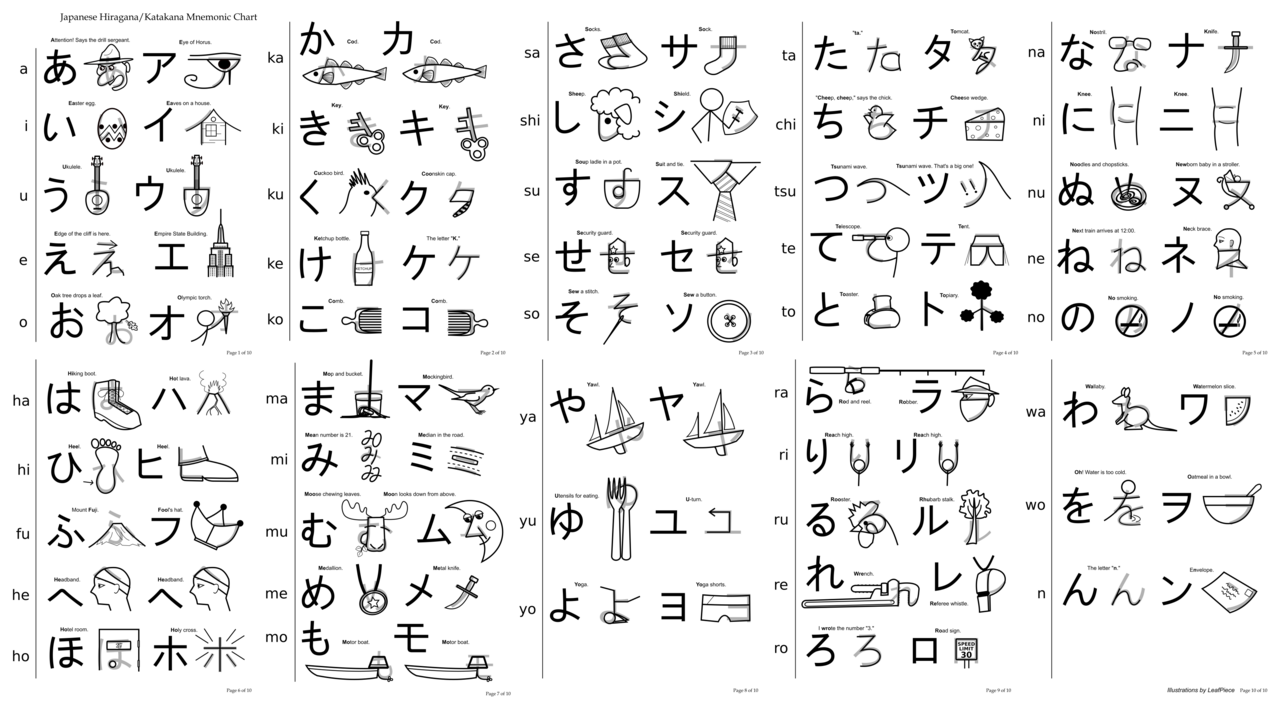
Oh, almost forgot: this is especially useful for learners who are studying both 平仮名 (hiragana, hiragana script) and kanji together. Hiragana may look easier, but once kanji enters the picture, neat handwriting becomes a real advantage.
Multiple readings are the part everyone fears
Plot twist: one kanji doesn’t always have one sound. That’s one of the biggest mental hurdles for beginners, and it’s also what makes Japanese feel difficult at first.
A single character can have an on reading, which is often tied to Chinese-origin compounds, and a kun reading, which is often used for native Japanese words. You don’t need to memorise every possible reading at once, but you do need to expect variation.
For example, the character for mountain is read as 山 (yama) on its own, but it can appear in compounds with a different reading. The lesson here is not to panic when the sound changes. It means the word has its own history, and that history is built into the script.
And it gets better: once you recognise common patterns, reading becomes less of a guessing game. You begin to notice that certain endings, compounds, and context clues repeat all the time. Classic Japan, isn’t it?
What beginners should focus on first
Know that feeling when you try to learn too many things at once and nothing sticks? That’s the trap with Japanese. A cleaner order works better: learn a character’s shape, learn its stroke order, then learn the most common readings in real words.
While we’re at it: don’t study kanji as isolated trivia only. Put them into words you actually want to use, such as travel vocabulary, daily greetings, and simple signs. A practical course can help here too, and one example is the travel-focused Japanisch-Expresskurs, which says it teaches 450 important Japanese words and phrases for travel situations.
That kind of number matters because it shows the difference between random exposure and structured learning. You don’t need thousands of characters to start reading basic Japanese, but you do need a strong core of useful words, clear handwriting habits, and patience with readings.
Highly recommended: keep a small notebook, write each new kanji several times, and say the reading aloud in ローマ字 (romaji, Roman letters). That simple loop, read, write, repeat, works far better than passive scrolling. Personally, I think that’s the most beginner-friendly way to build confidence.
Oh, almost forgot: Japanese also has three writing systems, and understanding that bigger picture helps a lot. If you want a broader explanation of hiragana, 片仮名 (katakana, katakana script), and kanji, take a look at Warum hat Japanisch 3 Schriftsysteme? Hiragana, Katakana & Kanji erklärt. It gives useful background for why kanji behaves the way it does. Sounds good, right?
For beginners, the main lesson is refreshingly clear: don’t treat Japanese writing as chaos. Learn the strokes, accept that readings can change, and build your vocabulary in small, usable steps. That way the language starts feeling logical much sooner than most people expect.
Frequently Asked Questions
Why is stroke order important?
It helps you write characters more neatly, remember them better, and build faster handwriting habits.
Why do kanji have multiple readings?
Because the same character can be used in different word types and historical layers, so the sound changes with the context.
What should beginners learn first?
Start with basic characters, stroke order, and a small set of common words you can use right away.