That matters because Japanese names aren’t just sound, they’re reading, meaning, and taste bundled together. So when a name generator shows you options for Naomi, the useful part isn’t only which 漢字 (kanji, Chinese characters; logographic characters used in Japanese) look nice, but which feeling they create in real Japanese use.
Naomi in kanji is usually written as 直美, 尚美, or 奈緒美, and according to the name analysis on my-kanji.com, those are among the core spellings people look at when they want a Japanese-style Naomi. The pronunciation stays the same, but the written form changes the impression quite a bit. That’s the part worth paying attention to.
For Japanese learners, this is one of those names that looks simple on the surface and then gets messy in a useful way. You get a clean 仮名 (kana, kana syllabary) reading, Na-o-mi, but the kanji can point towards directness, elegance, or a more decorative, classical feel. So let’s break it down properly, because the spelling choice does real work here.
Naomi as a name: kana first, kanji second
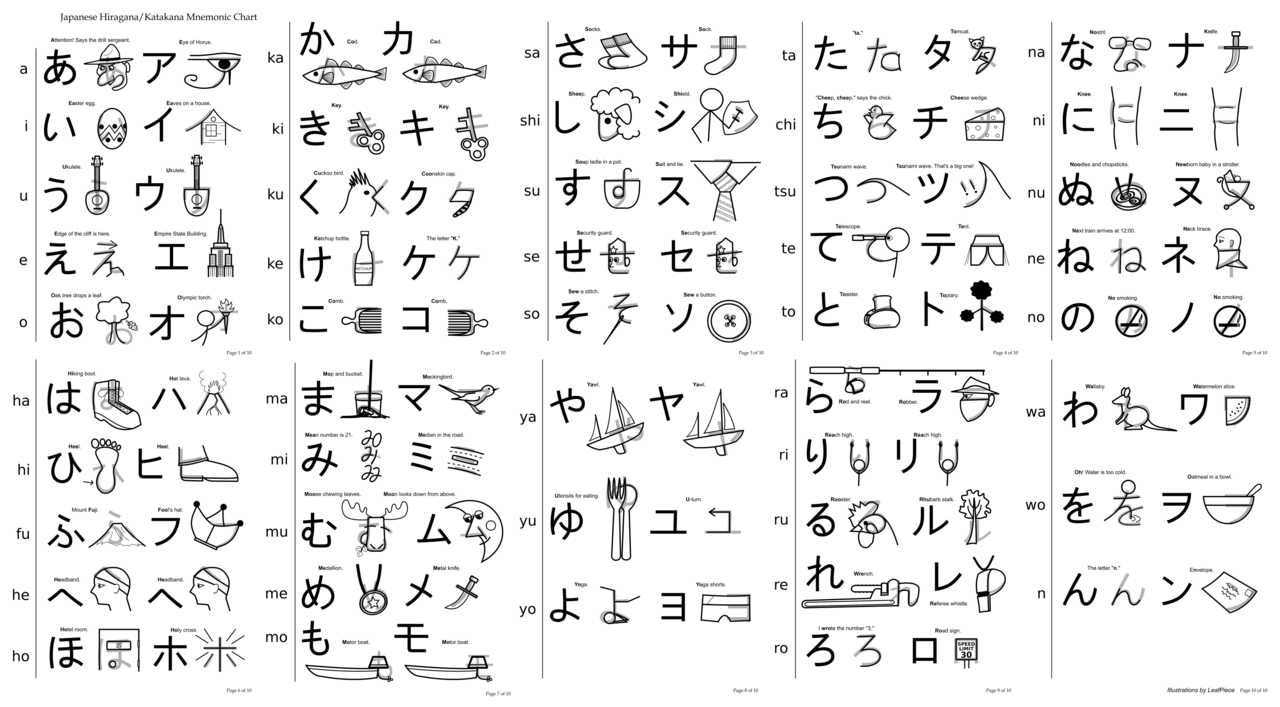
In everyday Japanese, Naomi is written ナオミ in 片仮名 (katakana, katakana script) when the writer wants the pronunciation only, with no kanji attached. That version is straightforward and readable, which is why you’ll often see it in contexts where clarity matters. Once you move into kanji, though, the name stops being just sound and starts carrying character meaning.
That’s the basic thing many learners miss. A Japanese name generator can give you a pronunciation, but the kanji are where the nuance lives. With Naomi, the same name can feel modern, refined, or slightly old-fashioned depending on the characters chosen. Sounds odd, but it’s true.
Three common kanji spellings for Naomi
Here are the three spellings that come up most often in name databases and name generators: 直美, 尚美, and 奈緒美. Each one is readable as Naomi, but the semantic weight is different.
直美
直 usually suggests directness, honesty, or straightness. Paired with 美, meaning beauty, it gives Naomi a clean and balanced feel, almost like a name that’s trying to be straightforward without losing softness. My tip: if you’re looking for a spelling that feels simple and modern, this is the one that tends to land that way.
尚美
尚 often carries a sense of esteem, elegance, or something still valued. With 美 again giving the beauty element, 尚美 reads as a little more polished and cultured. It has a more composed feel than 直美, and I think that matters if you’re evaluating name nuance rather than just pronunciation.
奈緒美
奈緒美 is more elaborate. 奈 and 緒 add visual complexity, so the name feels more ornate, even before you get to the meaning. This kind of spelling can feel more traditional or literary, depending on the surrounding name set. And it gets better: once you start comparing it with the simpler two-character versions, you can see how kanji density changes the whole tone of the name.
What ateji means here, and why it matters
Quick detour: 当て字 (ateji, characters used mainly for sound; phonetic kanji spelling) is when kanji are used mainly for sound rather than strict meaning, or when sound and meaning are mixed in ways that don’t follow the most obvious reading patterns. Japanese personal names often sit somewhere in that grey zone. Naomi is a good example because the reading is fixed in practice, but the kanji choice can still be partly aesthetic, partly semantic, and partly conventional.
That’s why name generators are useful, but only up to a point. They can surface combinations that look plausible, but they can’t fully tell you how a Japanese reader will feel about them. A spelling may be technically possible and still feel odd, too ornate, or simply less natural than another option. Seriously though, that distinction matters if your goal is to understand Japanese naming, not just make something that “looks Japanese.”
How to search Naomi kanji names effectively
Imagine you’re checking name options and want better results than a random generator alone. Search terms like “Naomi kanji”, “Naomi name meaning”, “Japanese name Naomi kanji”, or “Naomi 直美 尚美 奈緒美” will get you much closer to useful material. If you want spelling nuance, add terms like “ateji” or “name reading” so you’re not only collecting pretty characters.
The best part is that this kind of search trains your eye. You start noticing patterns, like how 美 is doing a lot of the heavy lifting in female given names, or how certain kanji combinations feel lighter, older, or more formal. That’s valuable for learners because it connects kanji study with real naming practice, not just flashcard definitions. Wait, there’s more.
Why Naomi is a good case study for learners
Naomi is useful because it sits right at the intersection of pronunciation, kanji choice, and social nuance. That makes it a better study object than a lot of “cute name generator” output, which can be entertaining but not always educational. If you want to get better at reading Japanese names, this is the kind of name that teaches you where the system is flexible and where it isn’t.
What I especially like is that you can use Naomi to practice a small but important habit: don’t stop at ローマ字 (romaji, Latin script; romaji). Ask what the kanji are doing, whether the reading is conventional, and what kind of impression the spelling creates. That habit transfers to surnames, place names, and even fictional character naming. Convinced yet?
For jpnerd.com readers, the practical takeaway is simple. Use a name generator for ideas, then verify the kanji, compare the nuance, and treat each spelling as a choice with cultural weight rather than a decorative label. That’s the difference between surface-level browsing and actual Japanese literacy. If you want more name and language coverage like this, more Japan news on jpnerd.com is a good place to keep going.
Frequently Asked Questions
What is the most common kanji for Naomi?
Common spellings include 直美, 尚美, and 奈緒美. The best choice depends on the nuance you want.
Does Naomi always use the same pronunciation?
In practice, yes, Naomi is read the same way, even though the kanji can vary.
Why do Japanese names need kanji analysis?
Because the characters shape meaning, tone, and style, not just pronunciation.