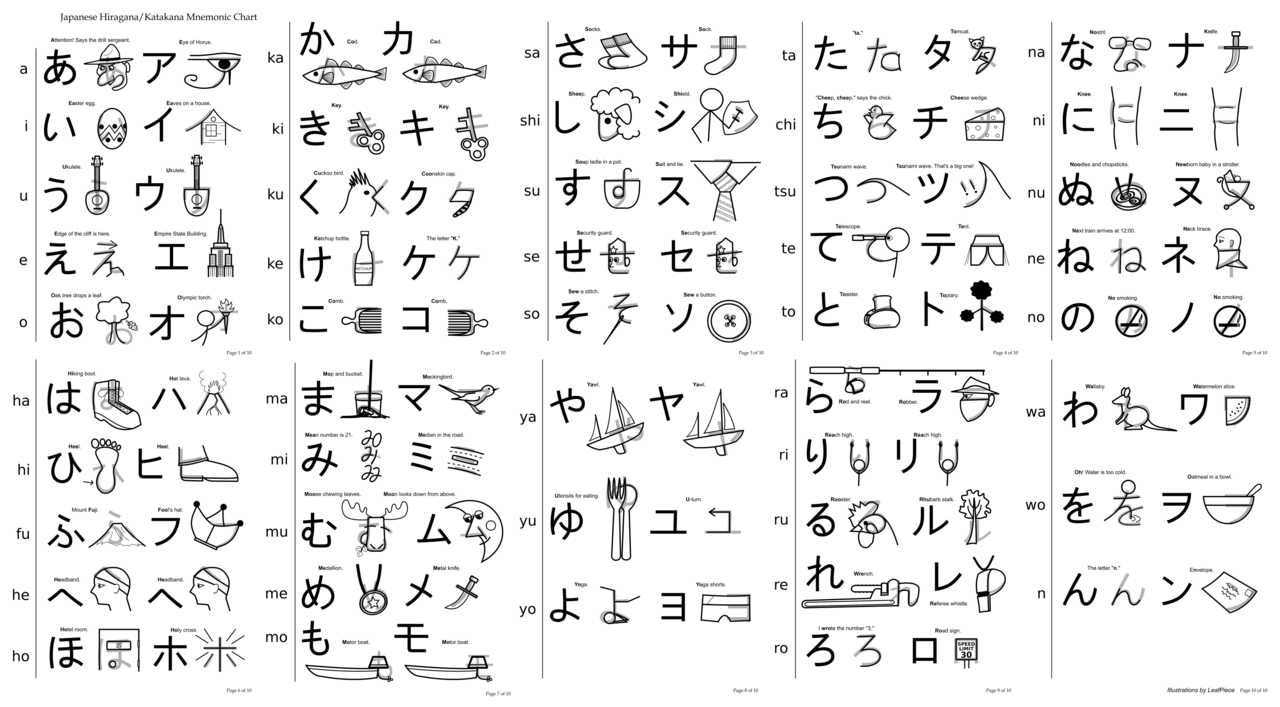
That may sound modest, but for a language app built around reading and recognition, display issues can get in the way fast. If 平仮名 (hiragana) is the foundation you’re still acquiring, even a minor fix can make practice sessions feel less clumsy.
Let’s Learn Japanese! Hiragana 1.1.8 is a small but practical update
Let’s Learn Japanese! Hiragana has been updated to version 1.1.8, and the headline change is a display fix. That’s not the sort of update that changes how the app teaches you, but it does matter when the product is built around visual recognition, repetition, and quick recall.
The original report doesn’t point to new lessons, new 仮名 (kana, kana script; syllabary) charts, or a revised study path. So this is really about maintenance, not reinvention. For an app focused on hiragana acquisition, that kind of housekeeping is more important than it sounds, because if text, alignment, or layout looks wrong, the learner ends up paying attention to the interface instead of the script.
There’s also a simple practical angle here. Japanese learners often use kana apps in short bursts, on a commute or between other study sessions, and a display bug can turn a five-minute review into something annoyingly awkward. A fixed screen may not be glamorous, but it removes friction. And in language learning, friction’s usually the enemy.
Why a display fix matters for hiragana practice
Hiragana is usually the first real script hurdle for new learners, because it’s where Japanese stops being a sound-only target and starts becoming a writing system you have to recognise automatically. If a learning app is meant to support that process, then clear spacing, correct rendering, and stable layout aren’t decorative details. They’re part of the learning environment itself.
Take a product like this, for instance. If the kana appear misaligned, clipped, or inconsistent across screens, the learner can start forming the wrong visual habits. That’s especially bad early on, when the goal is to build clean patterns for reading and writing rather than guessing from context. A display fix can therefore support better comprehension, even if the actual curriculum stays the same.
My tip: if you use kana apps as part of your immersion setup, treat visual polish as a real feature, not a bonus. The best study tools are often the ones that disappear into the background, because they let you focus on input and pattern recognition instead of the app itself.
What this says about Japanese learning apps
Small updates like this are easy to overlook, but they tell you something useful about language software. A lot of Japanese learning apps are built around compact lessons, quick drills, and repeated exposure to basic material, so stability matters more than novelty. If the app is meant to help you acquire hiragana efficiently, then consistent rendering is part of the promise.
That’s why version numbers deserve more attention than they usually get. Version 1.1.8 tells you this is an incremental release, not a major overhaul, and the report backs that up by highlighting a display fix rather than new content. For learners, that usually means one thing: the app’s being maintained, and the developer’s still paying attention to the details that affect everyday use.
And there’s a broader lesson here for Japan fans who are building study habits. A good app doesn’t have to be dramatic. Sometimes the right move is simply to make the existing material easier to read, easier to tap through, and less annoying to use. That’s unglamorous work, but it’s the sort of work that keeps a learning routine alive.
Frequently Asked Questions
What changed in Lets Learn Japanese! Hiragana version 1.1.8?
The main reported change is a display fix. The update appears to be focused on presentation and usability rather than new content.
Is this a major update?
No. Based on the available information, it looks like a small maintenance release rather than a major feature update.
Why do display fixes matter in a kana app?
Because hiragana practice depends on clear visual input. If the screen looks wrong, it becomes harder to focus on reading and recognition.