
That’s especially useful for Japan fans who already know the places they want, but need the order, timing, and practical details to make the trip work. It also suits Japanese language learners nicely, because the trip plan can include useful romaji vocabulary like 新幹線 (shinkansen, bullet train; high-speed rail), ryokan, and 駅 (eki, train station).

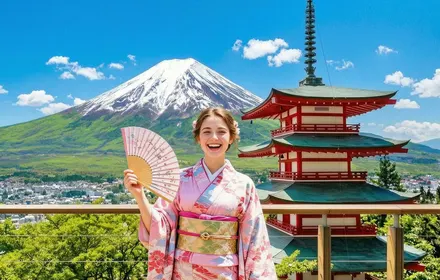
Why a DM-based Japan itinerary works so well
Japan trip planning can feel messy fast, especially when you’re trying to fit Tokyo, Kyoto, Osaka, and a few side trips into one route. A DM-based itinerary service keeps the first step simple, because you can send your dates, budget, must-see spots, and travel style in one message.
That kind of setup is easy to search for too, since people often type exactly what they need: Japan itinerary, Japan trip planning, or itinerary per DM. The ask is direct, the intent is clear, and the conversion is strong because the user is already close to booking or requesting help.
Take Tokyo Cheapo, for instance. Their Tokyo guide is packed with practical planning ideas, from Shibuya and Koenji deep dives to day trips, Suica answers, and tourist traps put to the test. That’s the kind of detail travellers are often looking for before they ask someone to build a route for them.
My tip: when you offer itinerary help, make the first message action-focused. Ask for travel dates, arrival airport, number of nights, and the kind of trip they want, then build from there. Sounds good, right?

What to include in a Japan trip itinerary request
Trust me on this one: the best itineraries aren’t the longest ones, they’re the clearest ones. A good request should name the cities, the pace, and the purpose of the trip, whether that means temples, food, shopping, anime, or a first-time Golden Route plan.
Here’s the catch: vague requests slow everything down. If someone says only “Japan in spring,” you still need to know if they want 桜 (sakura, cherry blossom) season in Tokyo, a slower ryokan stay in Kyoto, or a fast rail-heavy route with a few practical stops in between.
Useful details to ask for
Start with the basics, then add the travel style. Dates, group size, budget range, hotel level, and whether they want public transport only or a car on some days all matter. If the traveller is a Japanese language learner, it helps to know their comfort level with simple phrases like ありがとう (arigato, thank you), すみません (sumimasen, excuse me; sorry), and eki, because that can shape how much support they need.
The best part: these small details make the itinerary feel personal without becoming complicated. A six-night Japan trip can look very different for a couple, a solo fan, or a family with lots of luggage.


Travel planning details that make the biggest difference
Speaking of which... the practical side is where a lot of Japan trips get easier or harder. Transport timing, luggage transfers, and station changes can make or break the flow, especially on days when you switch from Tokyo to Kyoto or Osaka.
Jrailpass’s Visit Japan Web guide is a good example of the kind of pre-trip admin travellers now expect to handle before landing. Even if your itinerary is beautiful on paper, the arrival process, airport steps, and entry prep still need to be smooth.
To be fair: not every traveller needs a complicated custom plan. Sometimes the smartest itinerary is a clean route with fewer hotel changes, one strong base city, and a couple of well-placed day trips. That’s often better than trying to squeeze in every famous stop.
What I especially like is when a planner keeps the language readable for Japan fans and learners alike. “Shinkansen from Tokyo to Kyoto” is instantly useful, and so are notes like “check in at ryokan before dinner” or “visit the shrine early to avoid crowds.” Simply brilliant.
Turning itinerary interest into real conversion
Let me show you why the DM angle matters. People don’t usually message about travel planning unless they’re already serious, which means the lead is warm. If your post says “send your Japan trip dates by DM for a custom itinerary,” you’re giving the reader one obvious next step.
Oh, almost forgot: the strongest calls to action feel specific, not salesy. Instead of asking people to “reach out anytime,” tell them exactly what they’ll get, like a day-by-day Japan itinerary, hotel area suggestions, or route logic for Tokyo, Kyoto, Osaka, and Nara.
For creators, agents, and freelance planners, that kind of offer is perfect for conversion because it connects a search term with a clear service. For readers, it solves a real problem fast, and that’s why this format works so well for Japan trip planning content.
My verdict: if you want better responses, keep the hook practical, use the Japan keyword, and make the DM step feel easy. That’s how a simple itinerary post becomes a real booking conversation.
In pictures
Frequently Asked Questions
What is a Japan itinerary by DM?
It is a travel planning service where you message your trip details and receive a custom Japan itinerary in return.
Why do Japan fans respond to itinerary posts?
Because they are already searching for route ideas, transport help, and practical planning tips for their trip.
Should a Japan itinerary include language notes?
Yes, a few simple romaji words can help learners and make the plan easier to follow.