What many overlook: the area works best when you accept its rhythm. Fuji visibility changes, buses fill up, and the best views often come from simple, slightly off-the-beaten-path stops rather than one big dramatic lookout. That’s why a little planning makes such a difference.

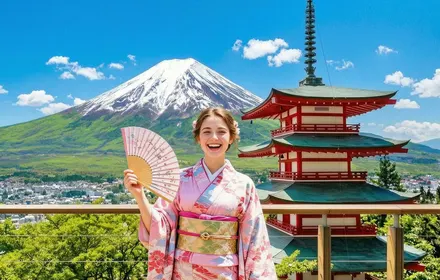
Guess what? Kawaguchiko isn’t just a lake with a famous mountain backdrop, it’s one of the most usable Fuji bases for a day trip, especially if you’re coming from Tokyo and want a route that feels doable rather than exhausting. It sits in Yamanashi Prefecture, at the north foot of Mount Fuji, and that location matters because you get direct access to the Fuji Five Lakes area, including Kawaguchiko, Saiko, Shojiko, Motosuko, and Yamanakako.
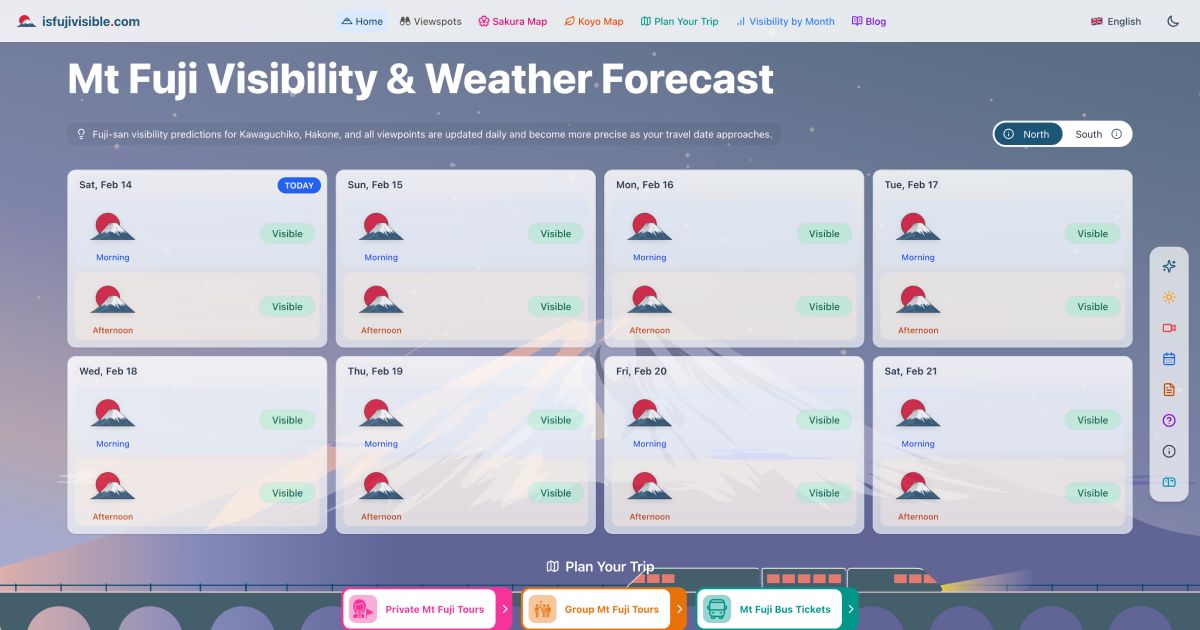
No joke: the practical side is what makes this area shine. According to Is Fuji Visible?, weather and visibility change fast, so a successful day is often about timing, checking the forecast, and giving yourself enough flexibility to switch viewpoints if the mountain hides behind cloud. Classic Japan, isn’t it? A place can be famous worldwide and still feel a bit shy.
Kawaguchiko as a Fuji day trip base
If you only have one day, Kawaguchiko is the easiest lake in the area to build around. Trains and buses funnel visitors here, and that convenience is exactly why it works, even if the town gets busy. Compared with back home, the setup feels very Japanese in the best way, organised but never fully predictable, which means a good day trip rewards patience more than rushing.
For Japanese learners, this is also a nice place to listen for everyday travel language. You’ll see and hear words like 駅 (eki) for station, バス (basu) for bus, 天気 (tenki) for weather, and 美しい (utsukushii, beautiful) when people talk about the view. Simple words, but they appear everywhere, on signs, in announcements, and in casual conversation. That kind of repetition is great for learning without making it feel like homework. See what I mean?
And what’s more, Kawaguchiko is not only about the lakefront itself. The surrounding area spreads out towards Chureito Pagoda, roadside cafes, old-fashioned streets, and smaller lookout points that many visitors skip in a hurry. That slower approach is usually where the best day trip begins. My verdict:
Photo spots around Kawaguchiko that are worth your time
Picture this: Fuji rising behind a lake, a pagoda on a hillside, or a quiet road with the mountain framed between trees. That’s the sort of composition Kawaguchiko does so well. You don’t need to chase a dozen locations, but it helps to know which spots offer different moods, because one isn’t enough if the clouds move in.
Lake shore viewpoints
The lakeside around Kawaguchiko gives you the most direct, open Fuji view when the weather behaves. It’s the easiest place to start because you can adjust your plans on the spot, walk a little, and keep checking the mountain. On a clear morning, the reflection on the water can be excellent, but even when visibility is partial, the lake still gives the scene some space and scale.
Chureito Pagoda area
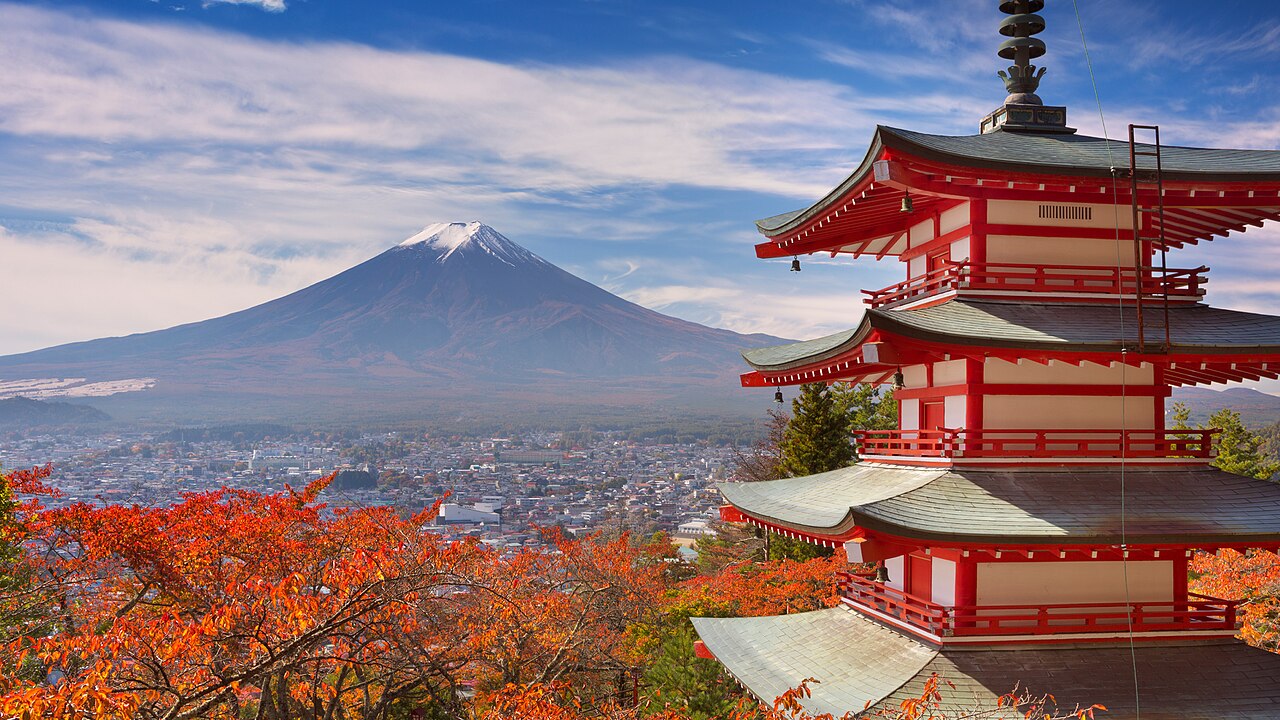
What many overlook: Chureito Pagoda is not in Kawaguchiko town itself, but it’s often folded into the same day trip because it gives that classic layered Fuji image people come for. The climb is the price of admission, though, and the view is popular for a reason. If you’re aiming for a single postcard-style frame, this is the one that keeps showing up in guidebooks for a reason, even if I try not to sound like a guidebook about it. Wild, isn’t it?


Less crowded corners and hidden spots
By the way: the lesser-known charm of the area is not always about the obvious icons. Small paths, lake-adjacent streets, and quieter lookouts can be better if you want to breathe a little and avoid standing shoulder to shoulder with everyone else. If you like wandering, this is where Kawaguchiko starts to feel more personal. You won’t always get the perfect frame, but you may get a calmer one, and sometimes that matters more.
Getting there and moving around without stress
There are two ways I think about a Kawaguchiko day trip: as a clean out-and-back from Tokyo, or as a transfer stop if you are moving between cities. The first is simpler, the second is more efficient. For example, if you are trying to fit Fuji into a Tokyo to Kyoto route, the transport choice can shape the whole day, and Is Fuji Visible? specifically notes that 2026 bus and 新幹線 (Shinkansen, bullet train) timing, fares, and luggage rules can change whether an overnight makes more sense.
That means you should not treat the area like a fixed checklist. If the mountain is clear early, go straight for your best photo spot. If it is cloudy, keep your schedule loose and use the lake, local cafes, or a short bus ride to wait it out. This is where Japan travel gets interesting, because the trip is not only about the destination, it’s also about reading the day as it unfolds. I love that part, honestly.
And yes, buses are part of the puzzle. Kawaguchiko is easy enough to reach, but once you are there, local transport can still feel busy on good-weather days. That is why an early start usually helps more than an ambitious itinerary ever will. Insider tip: if Fuji is visible in the morning, do not save your main viewpoint for later just because it looks pretty on paper.
A sensible one-day rhythm for Kawaguchiko
Know that feeling when a place looks simple on the map and then turns out to be slightly trickier in real life? Kawaguchiko can do that, but in a manageable way. The smoothest one-day rhythm is usually this: arrive early, secure your first Fuji view, spend time around the lake, move to a second photo spot if the weather stays open, then leave room for a slow lunch or a final hidden corner before heading back.
On a related note: if you are learning Japanese, this kind of day is excellent for practical listening. You’ll hear location names repeated, plus useful travel phrases like 大丈夫ですか (daijoubu desu ka, Are you okay?), where, and how much, all in real context. That is much easier to remember than vocabulary from a list. And if you can connect the words to actual movement, buses, and views, they stick better. I think that is one of the nicest parts of travelling in Japan, and of learning the language at the same time.
My tip: do not chase only the famous shot. Give yourself time for one obvious viewpoint, one flexible backup, and one slower stop where you can just look around. That balance makes Kawaguchiko feel less like a photo mission and more like a day you actually lived. You’ll eventually find your own Japan.
Frequently Asked Questions
Is Kawaguchiko good for a one-day trip?
Yes, it is one of the easiest Fuji-area bases for a day trip, especially if you want a mix of views and simple transport.
What is the best time to go?
Morning is usually the safest choice for visibility, since weather around Mount Fuji can change quickly during the day.
Do I need to plan more than one viewpoint?
I recommend it. If clouds move in, having a backup stop makes the day much less stressful.