And that matters whether you’re heading from Tokyo to Osaka, crossing the Japan Alps, or just trying to reach one hidden neighbourhood on the edge of town. Let me show you the bits that make the whole thing click, because the effort pays off fast...


Why the first train ride in Japan feels easier than it looks
Here’s the kicker: once you understand a few basics, Japan’s rail network stops feeling intimidating and starts feeling like the cleanest way to move around the country. The source material points to a three-and-a-half-week journey covering Tokyo, Osaka, Kyoto, the Japan Alps, and back again, with almost all major distances done by train, according to Reizen. That’s a pretty good sign that the system works for more than just a quick city hop.
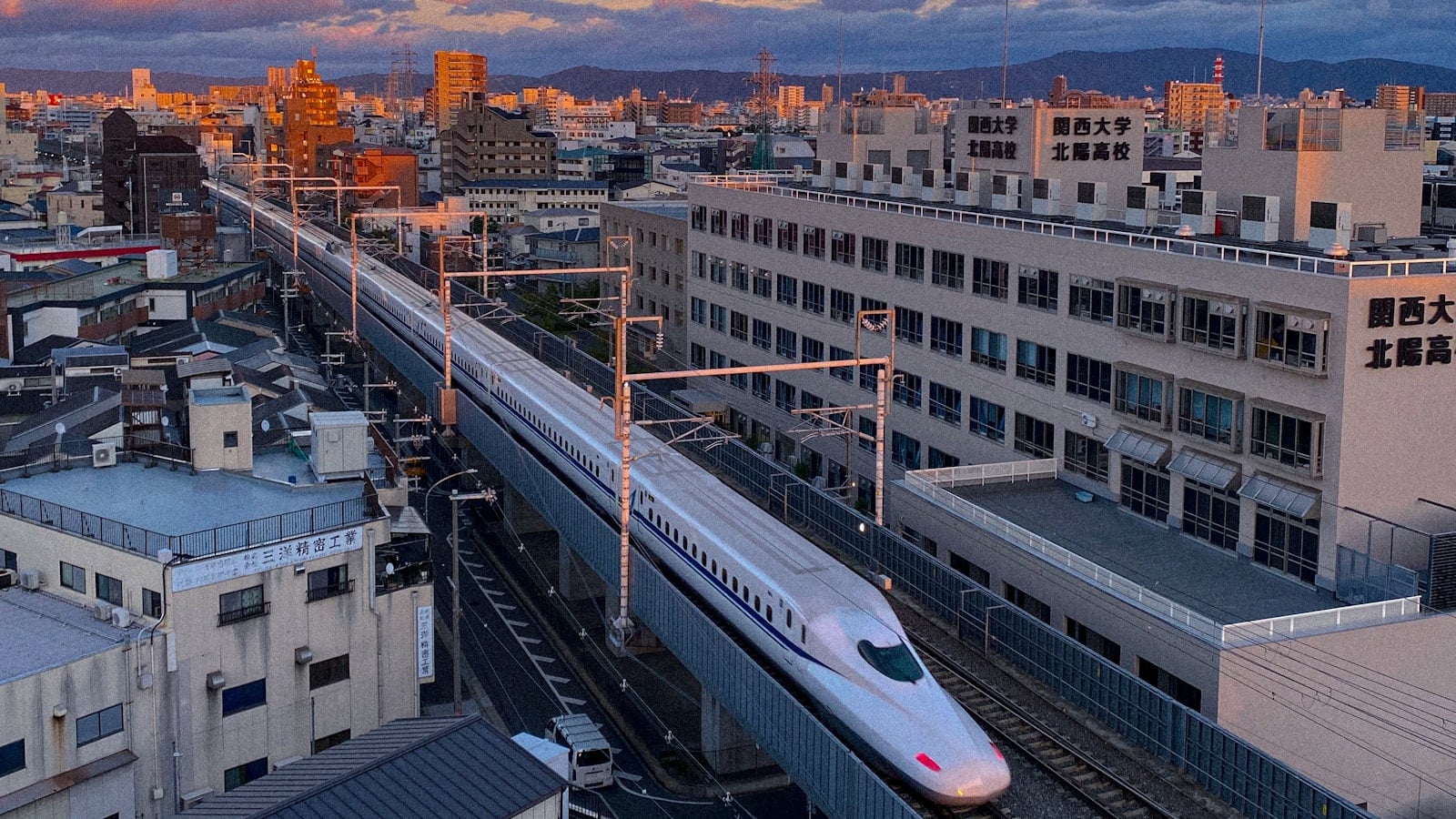
Unlike what we’re used to in some places, the network is built around precision, frequent service, and clear station flow. You don’t need to memorise everything on day one, either. You just need to know the difference between local lines, limited express services, and the 新幹線 (shinkansen, bullet train), then let the signs do a lot of the heavy lifting. Wild, isn’t it?
For Japanese learners, this is also a lovely place to pick up useful vocabulary in romaji: 電車 (densha) for train, 駅 (eki) for station, 乗り場 (noriba, platform; boarding area) for platform, and shinkansen for the bullet train. If you can read those words on signs, announcements, or route maps, the whole experience gets calmer very quickly. See what I mean?
Japan's train system, in practical terms
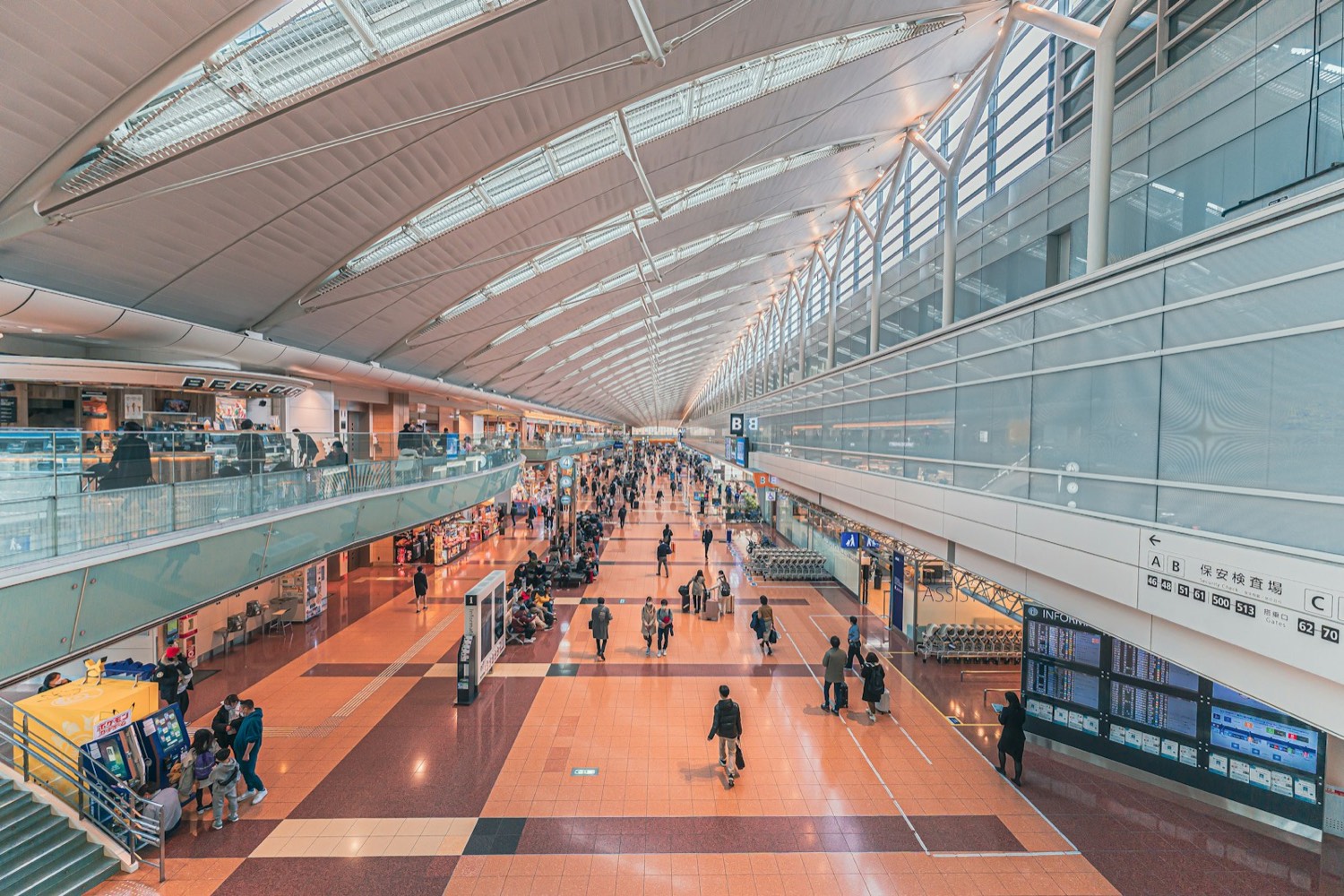
Picture this: you arrive at a major station in Tokyo, and it feels enormous, busy, and slightly unreal. But the basic logic is still straightforward. You check your line colour, look for the right platform number, and follow the direction listed on the board. The station may be huge, but the information’s usually consistent once you slow down and actually read it.
My tip: don’t think of the train network as one thing. Think of it as layers. Local lines handle short trips, JR lines cover a huge amount of intercity travel, and the shinkansen handles the long jumps between major cities. If you’re planning to move around a lot, that layered setup is what makes rail travel in Japan so practical.
And what’s more, station staff are used to helping people. A simple question like, 'kono densha wa Tokyo e 行きます (ikimasu, go) ka?' can get you pointed in the right direction, even if your pronunciation is a little shaky. That’s part of the fun, honestly. A tiny bit of language effort goes a long way, and people usually meet you halfway.
IC cards make the first ride much less stressful
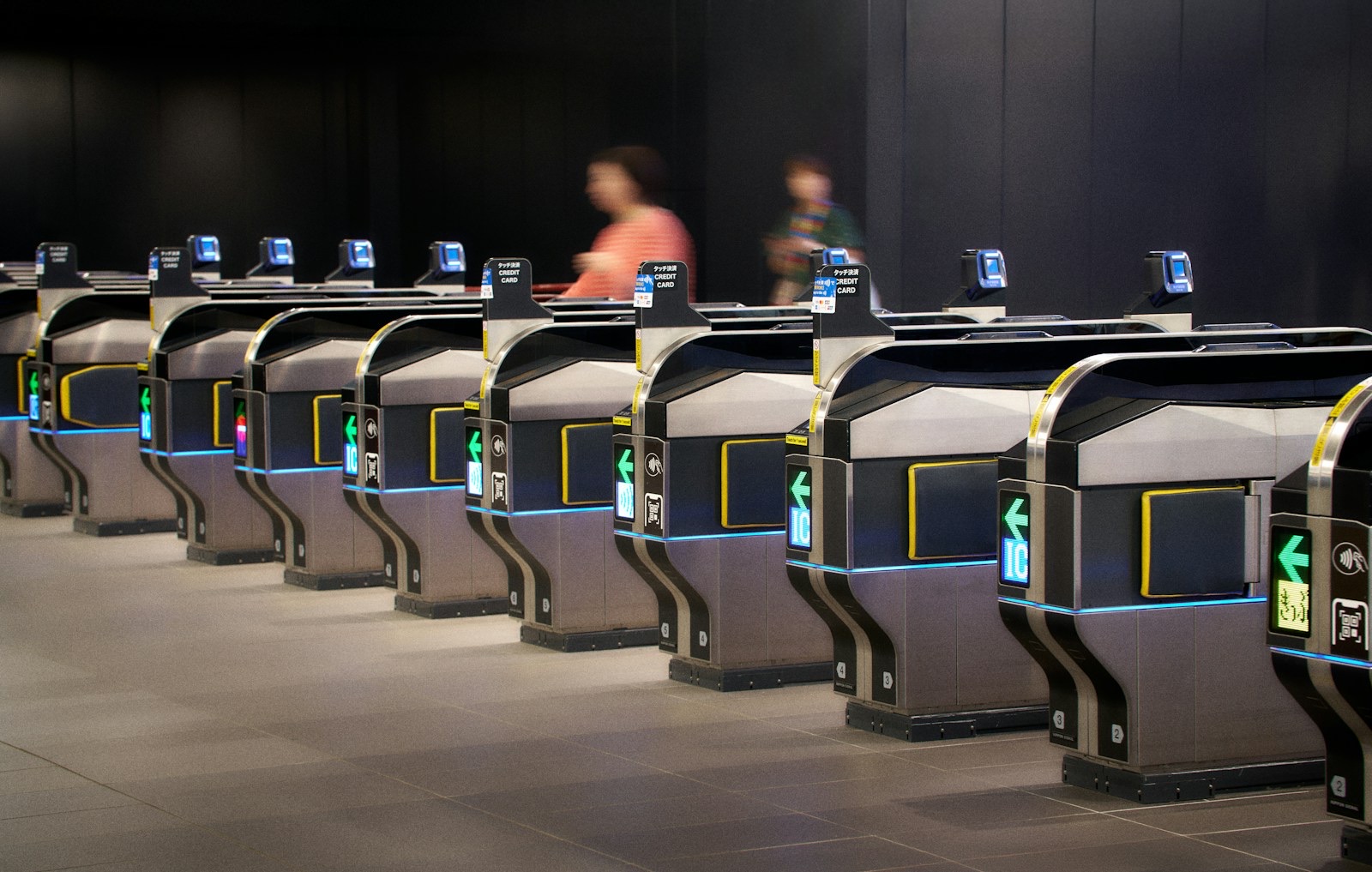
Let’s be honest: the easiest early win is an IC card such as Suica or Pasmo. You tap in, tap out, and avoid fumbling with single tickets for every small ride. That alone removes a lot of friction, especially if you’re hopping between subway, rail, and bus on the same day.
For learners, these cards are also a good reminder that everyday Japan runs on small, repeated systems. You’ll hear phrases like '使用 (shiyou, use; usage)' and '入口 (iri-guchi, entrance)' around stations, and you don’t need to understand every word to move well. You just need a few anchors, a little patience, and the willingness to pause for thirty seconds when something looks odd. Convinced yet?

Shinkansen travel and the longer-distance rhythm
Seriously though: if you’re going farther than one region, the shinkansen changes the shape of your trip. Tokyo to Osaka and Kyoto is the classic example, and it’s one reason the rail system gets so much love from travellers who want to cover distance without turning the whole day into transit chaos. It’s fast, but also very usable if you plan ahead.
Here’s the catch: the shinkansen isn’t the same as all JR trains, and some passes or special fares don’t cover everything equally. The sources mention Japan Rail Pass-style planning and practical station tips, which is exactly the kind of thing to check before you buy anything, especially if your route includes private railways or airport connections. A quick route check can save you from one of those annoying 'wrong line, wrong platform, wrong day' moments.
While we’re at it, this is a good time to mention seat reservations. On busy travel days, reserving a seat can make the journey feel much calmer, especially if you’re carrying luggage. Some trains also have baggage rules and designated storage areas, so it pays to look these up before you board. Small detail. Big difference.
How to make your first ride smoother as a Japan fan
Ever wondered why some travellers seem relaxed the moment they step into a Japanese station? It’s usually because they’ve prepared just enough, not because they know everything. A route app, an IC card, and a short list of station vocabulary are often enough to get you through the first day without drama.
For me, the real joy here is that train travel in Japan rewards curiosity. You notice the platform numbering, the quiet queues, the tiny differences between line systems, and then you start seeing how the whole country moves. That’s part transport guide, part language lesson, part cultural window. And honestly, I love that mix.
So if you’re planning your first Japan trip, don’t treat the railway like a puzzle you have to solve perfectly. Treat it like a skill that gets easier every time you use it. Start with one good route, learn a few signs, tap your IC card, and let the rest unfold one station at a time... you’ll eventually find your own place in Japan.
Frequently Asked Questions
Is train travel in Japan hard for first-time visitors?
Usually not. The system can look complex at first, but the signs, maps, and station flow are very clear once you learn the basics.
What should I learn before riding trains in Japan?
Learn a few route words, get an IC card, and understand the difference between local trains and the shinkansen.
Do I need to plan every ride in advance?
No. You only need a basic route plan for longer trips. Short rides are usually easy to handle on the spot.