That shift matters for Japan fans and language learners too, because you can spot festival vocabulary in context, from 神輿 (mikoshi, portable shrine) to 屋台 (yatai, festival float). And if you plan around the shoulder seasons, you’ll find some of the country’s most memorable traditional culture without fighting the summer blockbuster crowds.


Spring and autumn are Japan's most rewarding matsuri seasons
Japan’s spring and autumn 祭り (matsuri, festival) are where the calendar gets especially dense, and that’s exactly why I think they deserve more attention than the summer giants. Spring brings renewal, school-year energy, and a lot of shrine activity. Autumn feels different. The air is clearer, the pace is calmer, and festivals often sit neatly beside harvest customs and local history.

Basically, if you only think about Gion Matsuri in July or the big fireworks nights of summer, you’re missing half the picture. Spring and autumn are when many communities stage their most carefully shaped events, often with fewer tourists and more room to notice the details. For Japanese learners, that also means hearing words like matsuri, mikoshi, and 御神輿 (omikoshi, portable shrine) in the setting where they actually belong. Sounds small, but it changes how the words stick.
According to the source material, some of the best-known examples outside the summer season include Takayama's float festivals and Kyoto's grand processions. That gives you a useful starting point. One is known for its towering yatai floats, the other for procession culture that links Kyoto’s courtly past with living neighbourhood tradition. My tip: if you want to understand festival Japan, start with the structure of the event, not just the food stalls. From my experience, the shapes, routes, and roles tell you much more.
Take Takayama and Kyoto for instance
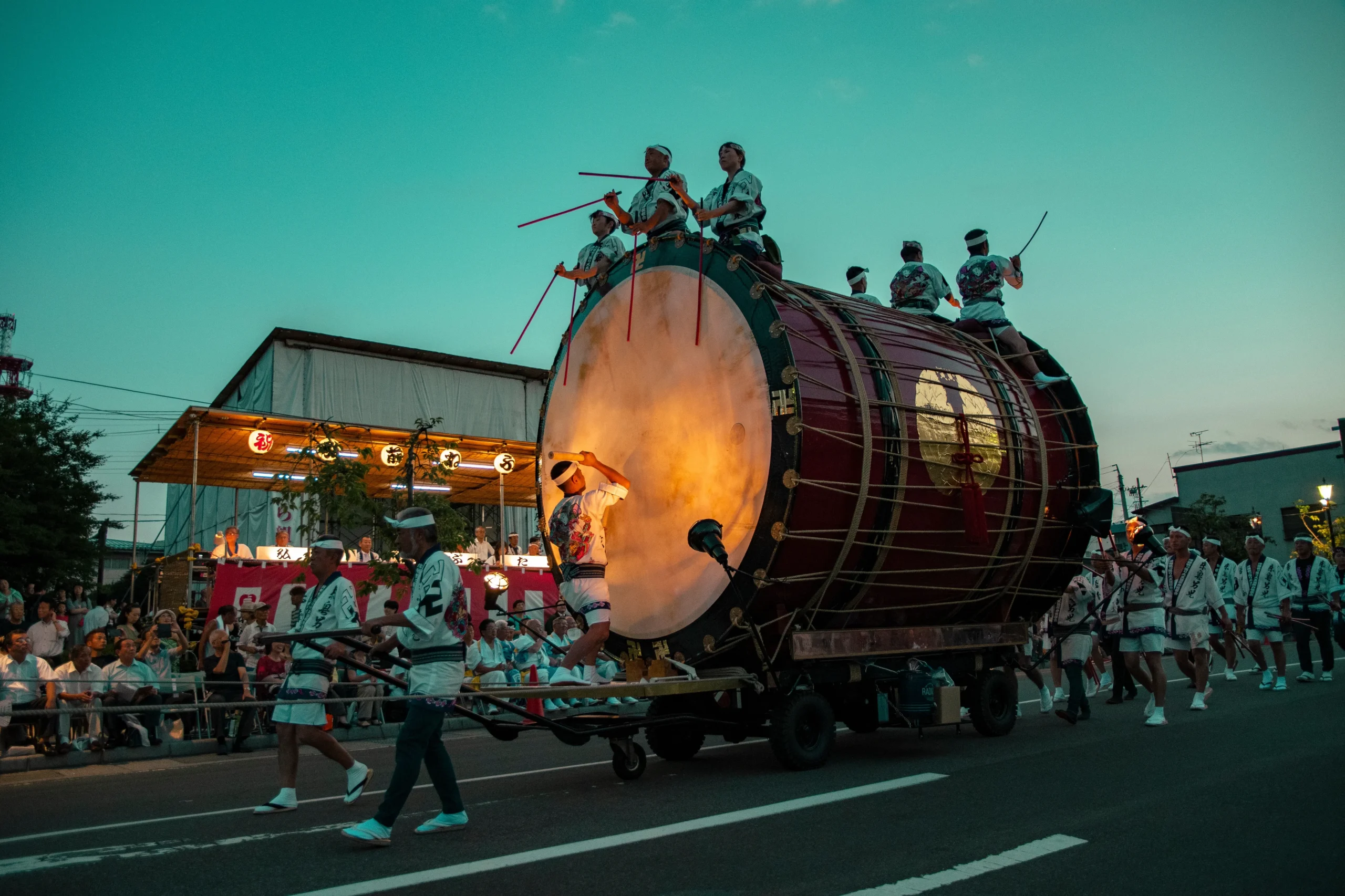
Take Takayama for instance. The city’s festival floats are often cited as a classic example of Japan’s spring and autumn festival depth, because the craft level is so high. The floats aren’t casual decorations. They’re moving artworks, built and maintained with serious care, and that alone makes the festival feel age-old in the best sense. You can usually read the visual language even before you know every historical detail. Gold accents, carved wood, textiles, lanterns. It all signals ceremony, not spectacle for spectacle’s sake.
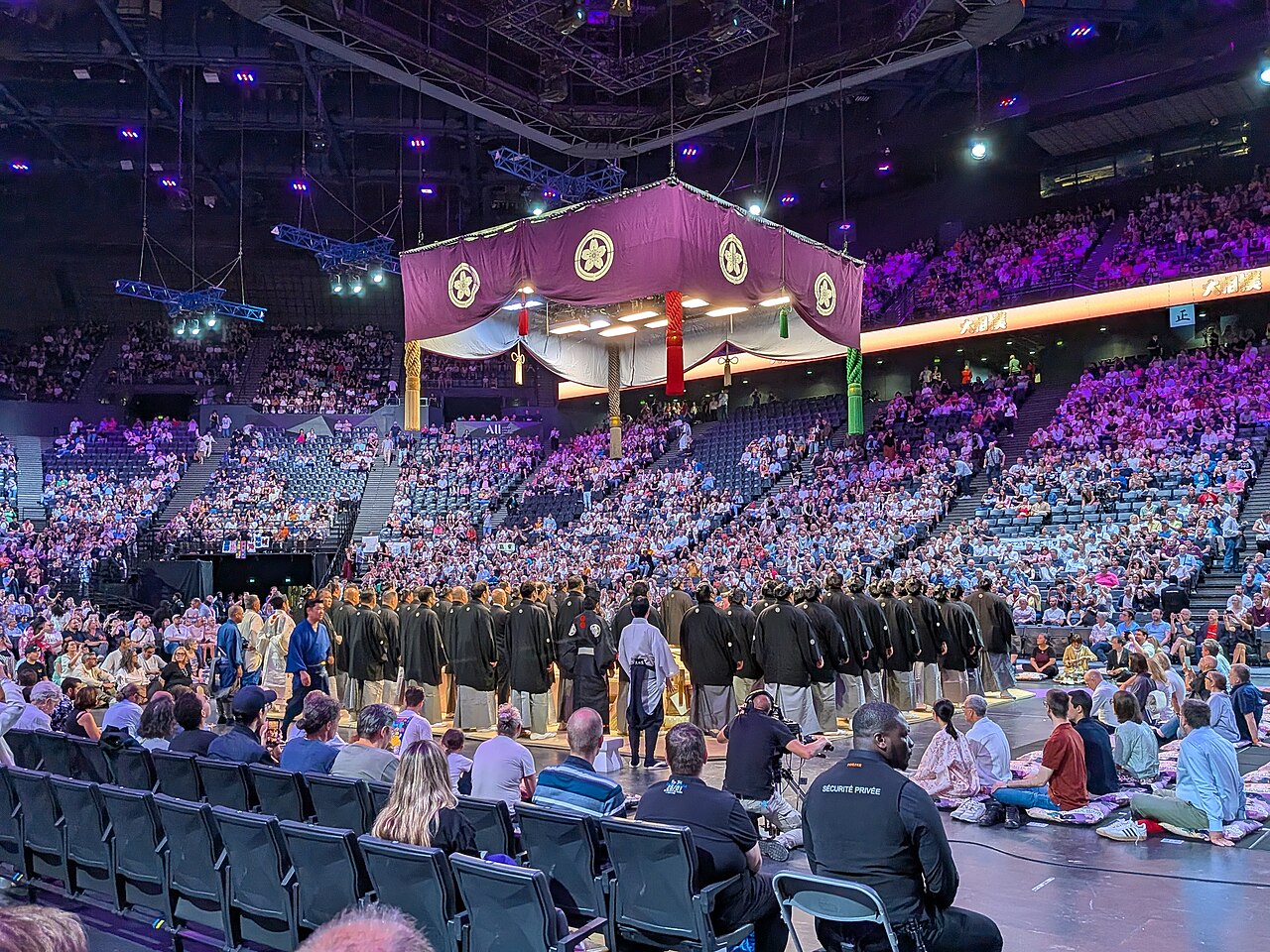
Kyoto’s processions work differently, and that contrast is part of the appeal. Kyoto festivals often feel like living lines of continuity. There is pageantry, yes, but also a sense that the route itself matters. Streets, shrines, and neighbourhoods are all part of the performance. Unlike what we're used to in many cities, the procession isn’t just something to watch. It reorganises the place around it for a day. Classic Japan, isn't it?
What I especially like is how these events reward patience. You don’t need to chase the loudest moment. Watch how people prepare, how they move in groups, how the crowd makes space. If you are learning Japanese, this is a great chance to pick up practical words tied to public ritual and local pride. You’ll hear how formality and community sit side by side, which is very Japan, and very easy to miss if you only go looking for the most famous summer fireworks.
Why the shoulder seasons are so strong
Here's the thing: spring and autumn are not just quieter alternatives. They’re often the season of strongest local texture. Spring festivals can overlap with 桜 (sakura, cherry blossoms) viewing, so travel routes feel layered. Autumn adds 紅葉 (koyo, autumn leaves), cooler temperatures, and harvest themes, which means shrine calendars often become more varied and more geographically spread out.
That spread matters. In summer, attention often narrows to a few headline events. In the shoulder seasons, you can build a trip around different regions and still keep a festival thread running through it. One day might centre on a float parade. Another on a shrine procession. Another on an outdoor ritual linked to seasonal change. If you’ve been in Japan for a while, there’s a good chance you’ve come across this rhythm already, even if you didn’t name it that way.
Seriously though, this is also easier on your stamina. You’re not dealing with peak heat and humidity, which means you can actually stay present. You can linger. You can read signs, listen to announcements, and ask about vocabulary without feeling roasted by the weather. That makes a real difference. See what I mean?
How to read a matsuri calendar like a learner
Guess what? A festival calendar is one of the best tools for learning Japanese culture through language. Start with the basic nouns. Matsuri is festival. Mikoshi is a portable shrine. Yatai usually means float or festival stall depending on context, so pay attention to the setting. Those little distinctions matter, because Japanese rewards context more than direct translation sometimes. Well, not exactly rewards it, but it absolutely depends on it.
Pro tip: look at the seasonal cues around the event name. Spring festivals often pair with blossoming flowers, shrine renewal, or local blessings. Autumn events often point to harvest, gratitude, and procession routes through older districts. If you read festival listings this way, the calendar stops being a list and starts becoming a map of cultural meaning.
Oh, almost forgot: if you are planning a trip, don’t assume the biggest summer festivals are automatically the most representative. They are famous for a reason, but spring and autumn often show you more variety in tone, scale, and regional identity. And that variety is what keeps Japan endlessly interesting to study, even when you think you already know the pattern. There is always another layer.
Frequently Asked Questions
Why are spring and autumn so good for matsuri?
They combine strong seasonal atmosphere with major shrine and community events, often with fewer extreme-weather problems than summer.
Which festivals should I start with?
Takayama's float festivals and Kyoto's processions are excellent starting points because they show two very different sides of traditional festival culture.
Are matsuri useful for Japanese learners?
Yes. They are great for learning practical vocabulary, hearing it in context, and connecting words to real cultural settings.