For Japanese learners, this kind of result announcement is also a neat vocabulary moment, because words like コンテキスト (kontekisuto, context), 受賞者 (jushosha, award winner), and 発表 (happyo, announcement) show up often in manga and media news. The prize news itself is simple, but the character trend behind it says a lot about what kinds of male leads still catch readers’ attention.

Manga Lab! announces the contest results
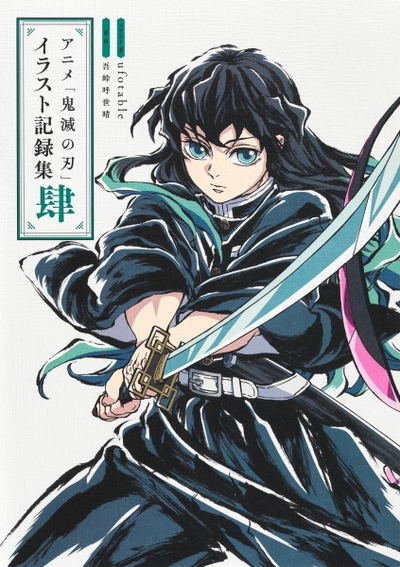
Manga Lab! has released the winners of its male-character contest, and Hakusensha says the competition drew 299 submitted works, according to PR Times. The event title, "Sono kao, 反則級 (hansoku-kyu, almost cheating-level; unfairly charming) メロ男子 (mero danshi, sweet, irresistibly charming boy) contest," points to a very specific manga taste: boys whose looks and behaviour feel almost unfairly charming.
That phrase matters. In Japanese fan culture, mero danshi usually refers to a male character who’s soft, alluring, emotionally expressive, or simply hard to resist. It’s not just about appearance, it’s about the whole package, which is why these contests often attract a wide range of character styles rather than one fixed archetype.
The result announcement is a clear example of how manga platforms work in Japan. A site like Manga Lab! doesn’t only host submissions, it also helps spotlight creators through themed contests, then uses the winners to generate momentum across Hakusensha’s magazine ecosystem.
Why this result matters for manga fans
There’s a practical side to this kind of announcement. A contest result tells readers what editors and judges consider effective right now, and that can influence how aspiring artists shape their own characters. For creators, a themed competition is also a way to test whether a design, a personality type, or a romantic vibe lands with readers.
My tip: if you’re learning Japanese through manga news, watch for repeated words like happyo, taishou, 入賞 (nyusho, prize-winning placement), and 受賞 (jushou, award; receiving an award). They appear constantly in award articles, contest write-ups, and magazine announcements, so they’re useful both as vocabulary and as a way to follow real media coverage without translation.
Hakusensha is especially interesting here because the company has long handled a broad range of manga magazines and reader-facing projects. A contest like this fits that model well, since it keeps the brand connected to readers, creators, and online submission culture at the same time.
The appeal of mero danshi in Japanese pop culture
The success of a male-character contest built around charm says something about current manga tastes. In Japan, character appeal often goes beyond strength or coolness, and readers respond strongly to warmth, awkward honesty, elegant styling, or a carefully written gap between appearance and personality.
That gap is a familiar concept in Japanese fan talk. A character may look intimidating at first, but turn out kind, shy, or sweet, and that contrast can be exactly what makes him memorable. It’s one reason character-focused contests work so well, because they reward design choices that are easy to discuss, compare, and rank.
For Japan fans, this is also a reminder that manga culture is not only about series launches and anime tie-ins. Sometimes the news is about audience taste itself, and that can be just as revealing as a new serialization announcement.
Frequently Asked Questions
What did Manga Lab! announce?
Manga Lab! announced the results of its male-character contest and named the winners.
How many entries were submitted?
According to PR Times, the contest received 299 works.
Why is this news relevant to Japanese learners?
It includes useful media vocabulary and shows how Japanese manga contests describe character appeal.