The reason’s simple: the change affects a route that’s been useful for travellers who prefer highway buses over trains, especially when booking around peak holiday seasons. Let me show you why this matters for both practical travel and Japanese language learners who like following transport news, because route names, season names, and timetables are all part of everyday Japan vocabulary.
Blue Roman Highway Bus: what is changing?
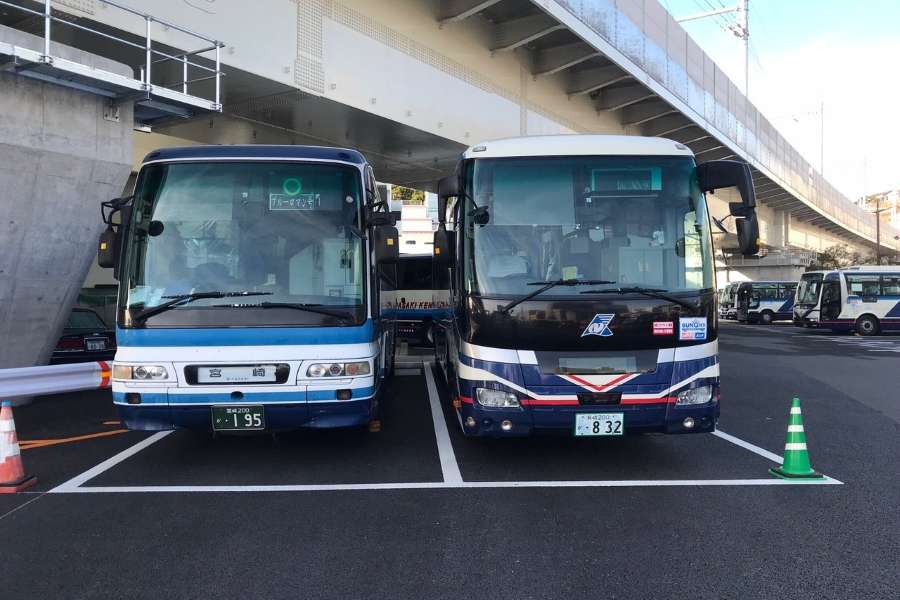
The Nagasaki–Miyazaki Blue Roman Highway Bus is ending its regular operation, according to Traicy. The route won’t disappear completely, but it’ll be limited to peak travel periods such as Golden Week, お盆 (Obon, Obon holiday), and the year-end/New Year holidays. That means the bus will still be available when demand is strongest, but travellers can no longer rely on it as a standard everyday connection between the two prefectures.
For people who plan Japan trips by bus, this is a real shift. Direct long-distance buses are often the easiest choice when you want to avoid train transfers, carry larger luggage, or save money on a regional journey. My tip: if you’re building a Kyushu itinerary, check whether your travel date falls inside one of those holiday windows before you assume a direct seat is available. From my experience...
Why this route matters for Kyushu travel
Picture this: you’re moving across southern Kyushu, and you want a clean, direct line between Nagasaki and Miyazaki. A through highway bus makes that kind of trip feel simple, especially for visitors who aren’t keen on juggling several local train changes. On the flip side, once a route shifts to holiday-only service, spontaneous plans get harder, and online reservations become more important.
That matters because Nagasaki and Miyazaki are both regional destinations with their own draw. Nagasaki is often linked with harbour views, history, and hillside scenery, while Miyazaki brings beaches, warm weather, and a more laid-back southern vibe. A direct bus between them fits the kind of Japan travel many fans love, one that connects cities beyond the standard Tokyo-Osaka-新幹線 (Shinkansen, bullet train) pattern. Pretty handy, really.
Before I forget: if you’re learning Japanese, this is a useful transport-news phrase to know, 定期運転 (teiki unten, regular service) means regular service, while 臨時運行 (rinji unko, temporary service) refers to temporary or special operation. Those terms show up all the time in railway and bus announcements, so even a small route change like this becomes a good reading exercise. Classic Japan, isn’t it?


Holiday periods only: Golden Week, Obon, and New Year
The good news, from a planning point of view, is that the route isn’t gone for good. It’ll continue during Golden Week, Obon, and the New Year travel season, which are exactly the times when many Japanese people return home or take domestic trips. That makes sense, because highway buses often see their strongest demand when trains and flights are crowded or more expensive.
Golden Week usually runs from late April to early May, Obon is the midsummer homecoming period in August, and the year-end/New Year rush covers the turn of the calendar. These are major travel moments in Japan, and they come with their own cultural rhythm. If you ever see the word 予約 (yoyaku, reservation) on a bus or ticket page, that’s your cue to reserve early, because peak-season seats can vanish fast. And there’s one more thing.
What Japan fans should do now
No joke: if this route was part of your Kyushu travel idea, you should start looking at backups now. Depending on your exact date, that could mean a train combination, another highway bus, or a different overnight route. The loss of a regular direct link doesn’t make the trip impossible, but it does make the planning less relaxed.
For Japan fans, these transport changes are also a reminder that regional routes can shift quietly, especially outside the big urban centres. That’s why I always recommend checking the latest timetable before booking accommodation around a bus link. And if you’re reading Japanese transport notices, keep an eye out for words like 休止 (kyuushi, suspension) for suspension and 運転再開 (unten saikai, resumption of service) for resumption, because they tell you exactly how a service is changing. My verdict: this is a small route change on paper, but a practical one for anyone travelling around Kyushu. more Japan news on jpnerd.com
Frequently Asked Questions
Is the Nagasaki–Miyazaki Blue Roman Highway Bus cancelled completely?
No. It is ending regular service, but it will still run during major holiday periods.
Which travel seasons are still covered?
Golden Week, Obon, and the New Year holiday period are included.
Why does this matter for travellers?
Because it removes a convenient direct option for everyday trips between Nagasaki and Miyazaki.