Guess what? You don’t need a packed holiday schedule to make this stretch of coast feel rewarding. The appeal here is slower travel, with short transfers, photogenic shorelines, and plenty of little Japanese vocabulary moments for learners, from 海 (umi) for sea to 鳥居 (torii) for shrine gate.
A simple coastal break from Fukuoka City
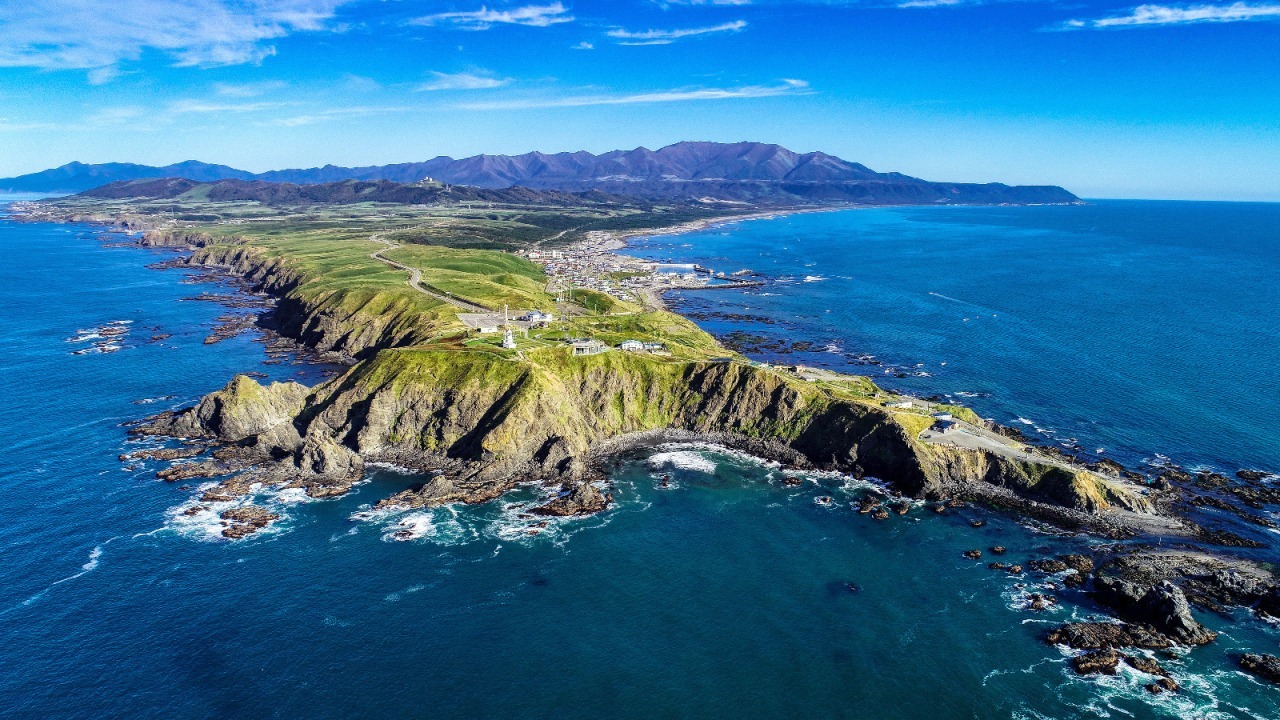
Fukuoka sits on Kyushu’s northern coast, so a west-coast outing makes a lot of sense if you want sea air without turning the trip into a long expedition. The route highlighted by Fukuoka Now focuses on Nishiura and Futamigaura, two spots that feel close enough for a weekend, yet different enough to keep the itinerary interesting.
That’s why this kind of plan works well for Japan fans who like a mix of scenery and local atmosphere. You get coastal walks, shrine imagery, and the sort of place names that are handy for learners, like 西 (nishi) meaning west and 浦 (ura, bay; shore) often appearing in seaside locations. Basically, it’s an easy way to connect geography, culture, and language in one trip.
Did you know that Futamigaura is especially known for Sakurai Futamigaura Shrine, where two wedded rocks stand in the water in front of a torii gate? The visual is famous for a reason, and it ties neatly into 神道 (Shinto) symbolism, where natural landmarks can feel sacred rather than simply scenic. My tip: if you’re building travel vocabulary in Japanese, words like 神社 (jinja, shrine), torii, and 島 (shima, island) are worth keeping on a note card, because they show up all over Kyushu travel content. My verdict: short itinerary, strong payoff.
What the 2-day shape of the trip gives you
Plot twist: a two-day coastal plan can feel less rushed than a one-day dash, even if the distances aren’t huge. By spacing Nishiura and Futamigaura over two days, you leave room for transport, photo stops, and the little pauses that make a seaside route enjoyable instead of exhausting.
On the flip side, a short trip also means you need to choose your priorities. If your main goal is shrine scenery, Futamigaura deserves the bigger share of time. If you want a broader west-coast feel, Nishiura gives the itinerary more breathing room, and that balance is exactly what makes the original route useful for first-time visitors to this part of Kyushu.
Before I forget, this is the kind of journey where timing matters. Coastal light changes fast, and the best photos often come when the sky is soft rather than harsh. If you’re learning Japanese, this is a great example of how travel guides often bundle place names with descriptive words, so you can build reading confidence without staring at textbook sentences all day. Personally, I like itineraries that leave space for that. Wait, there’s more.


Futamigaura, the shrine view everyone talks about
Ever wondered why Futamigaura shows up so often in Fukuoka travel roundups? The answer is simple: the shoreline is shaped by a strong image, with the shrine gate, the sea, and the paired rocks all lining up in one frame. The Poor Traveler’s Fukuoka travel guide describes Sakurai Futamigaura Shrine as a coastal spot best known for those wedded rocks rising from the water.
A great example of Japanese coastal symbolism is how naturally this scene blends religion and landscape. The torii marks a threshold, the rocks suggest a couple, and the sea changes the mood every hour. Wild, isn’t it? Even if you’re not chasing shrine photography, the setting alone makes the stop worthwhile, especially for anyone who enjoys the quieter side of Japan travel.
Insider tip: if you’re a Japanese learner, look out for the word futa, which can suggest “pair” or “two” in different contexts, and compare it with the visual idea behind futamigaura. It’s a small language connection, but those little links make place names easier to remember. What I especially like is that the stop is memorable without needing a long explanation, which is exactly the sort of place that sticks in your head. Simply brilliant.
How to read the route like a Japan fan
Know that feeling when a travel article gives you a destination, but the real value is in the vocabulary and cultural clues around it? This itinerary does that well. You’re not just looking at beaches and shrine photos, you’re also seeing how coastal Japan is often framed through religious sites, sea views, and compact regional travel.
For learners, that means a practical reading exercise. Nishiura and Futamigaura are both place names you can break down, and the broader Kyushu setting helps you remember that Fukuoka is part of a larger island culture, not just a single city break. That distinction matters, because travel in Japan often works best when you understand the relationship between urban hubs and nearby local escapes.
My tip: read this kind of itinerary with a notebook open, and write down the nouns that repeat, especially jinja, umi, 石 (ishi, stone), and torii. You don’t need a giant vocabulary list, just a few solid anchors. That way the next coastal article you read will feel a little less like a wall of text and a little more like a map. Personally, that’s where Japanese learning gets fun.
Frequently Asked Questions
What is the main appeal of the Fukuoka west coast itinerary?
It combines coastal scenery, shrine culture, and an easy two-day pace from Fukuoka City.
Is Futamigaura worth prioritising?
Yes, especially if you want the most iconic photo stop on this route.
Can Japanese learners get something out of this trip idea?
Absolutely, because the route naturally introduces useful travel words, place-name patterns, and cultural context.