For Japan fans, this is the kind of hotel news that hits both travel and language-learning notes. You get a fresh Tokyo base, a strong neighbourhood identity, and a useful chance to pick up words like 御苑 (gyoen), meaning a national garden, while thinking about how Japanese hotels often tie design to place. Sounds good, right?



NOHGA Shinjuku Gyoen Hotel is set for July 15, 2027
Here's the thing: the new NOHGA Shinjuku Gyoen Hotel, officially presented as NOHGA Shinjuku Gyoen National Garden, is scheduled to open on July 15, 2027, according to VOYAPON and the related company release picked up by other outlets. Reservations are due to begin on October 15, 2026, so this is one of those Tokyo openings that already has a clear timeline.
The location is the big draw. Shinjuku Gyoen National Garden is one of Tokyo's best-known green spaces, and placing a lifestyle hotel right beside it gives the project a very different mood from the usual neon-heavy Shinjuku image. That contrast is classic Japan, isn't it?
What I especially like is the way the hotel is being framed not just as a place to sleep, but as a base for experiencing the neighbourhood. That fits the NOHGA brand, which tends to lean into local culture, architecture, and design rather than generic business-hotel energy. My tip: if you're learning Japanese, watch how hotel names often use place names and descriptive terms together, because that pattern shows up everywhere in travel writing and booking pages.
Every room will face Shinjuku Gyoen
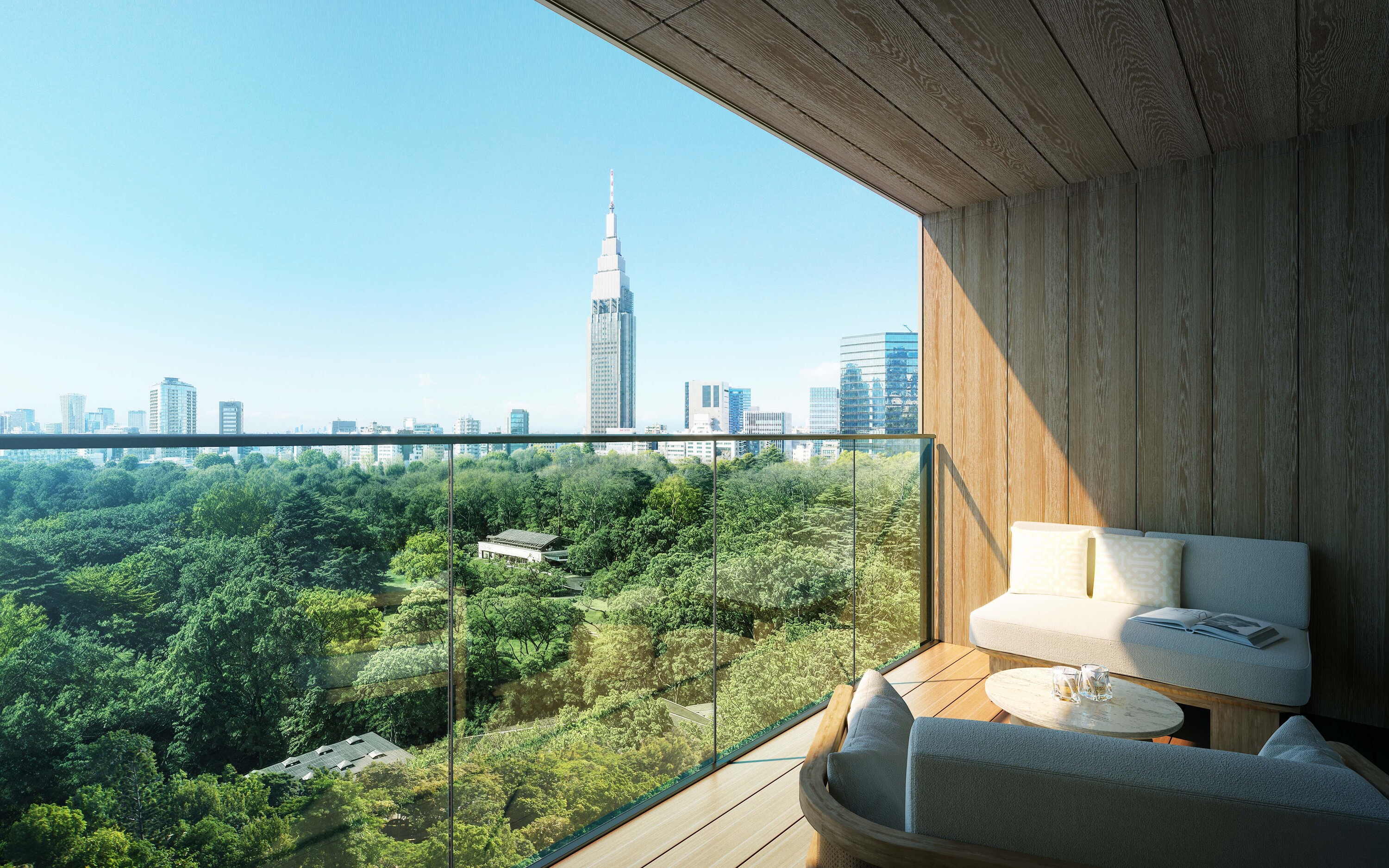
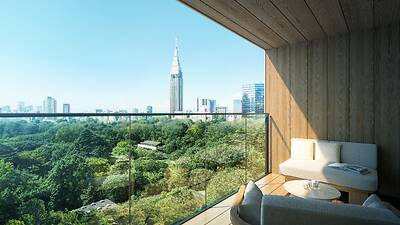
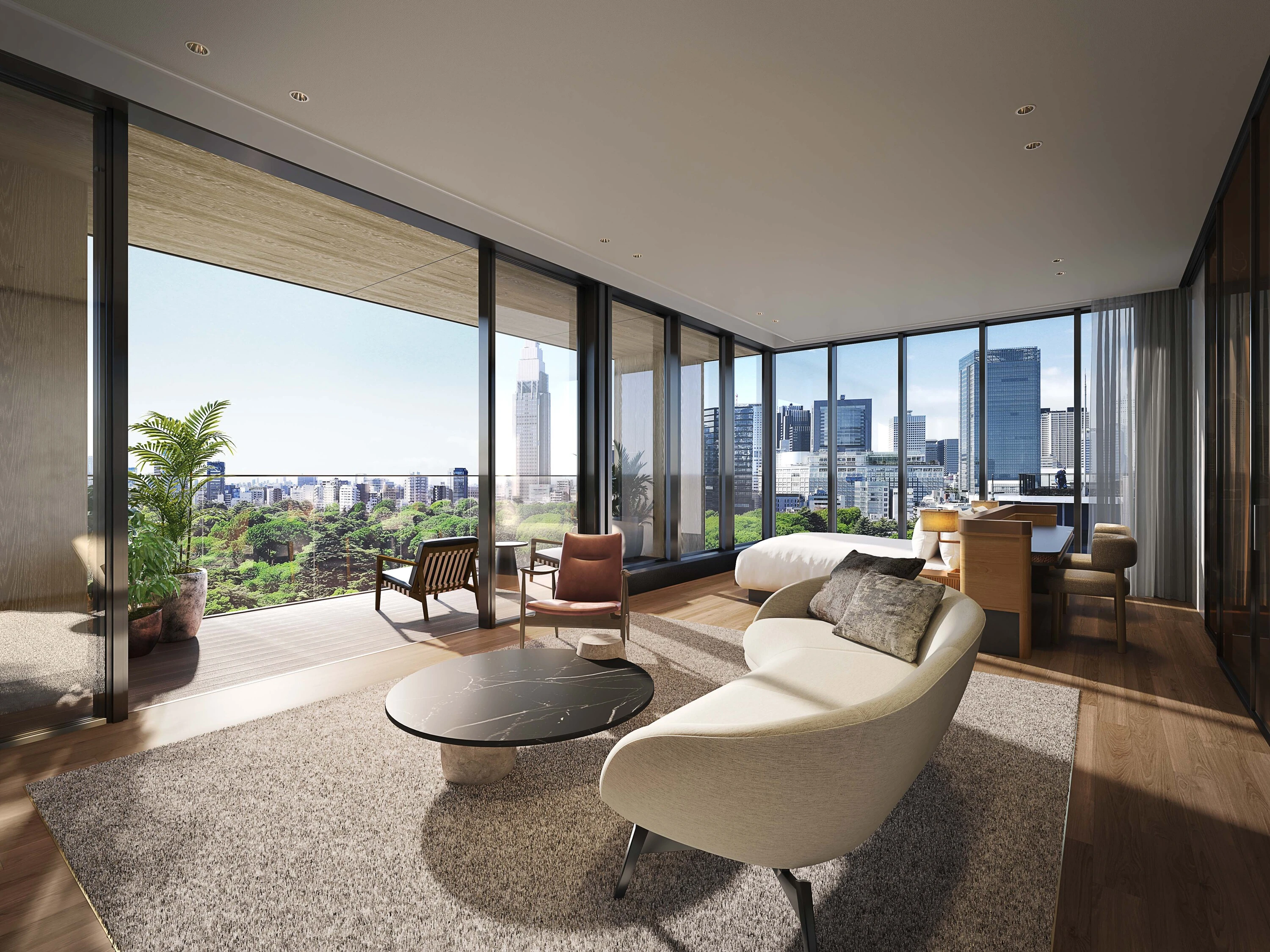
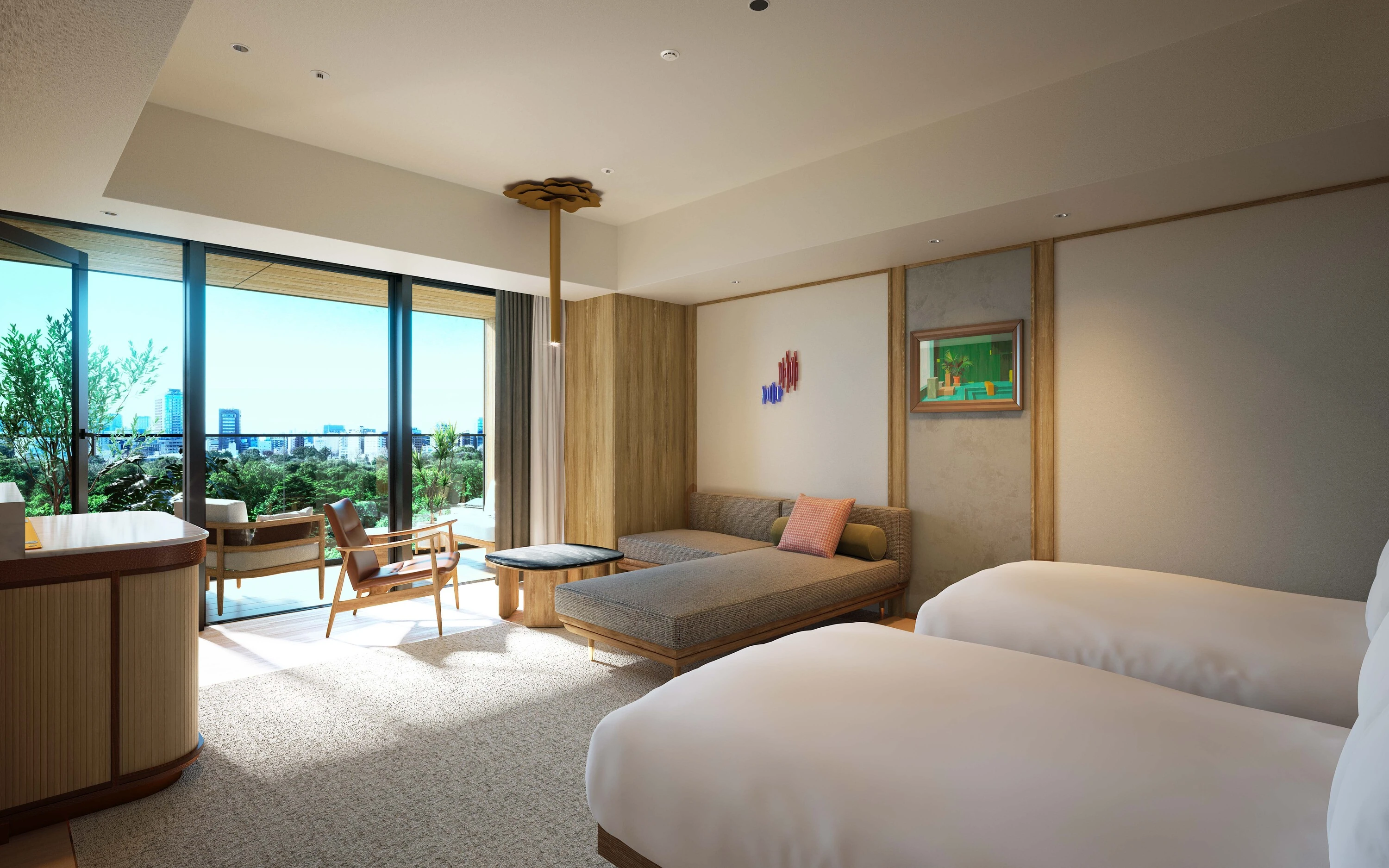
No joke: the most eye-catching detail is that every room is planned to offer views of Shinjuku Gyoen National Garden. In Tokyo, where sightlines are often blocked by dense buildings, that is a serious selling point. It gives the hotel a calm, almost secluded feel even though it sits in one of the city's busiest districts.
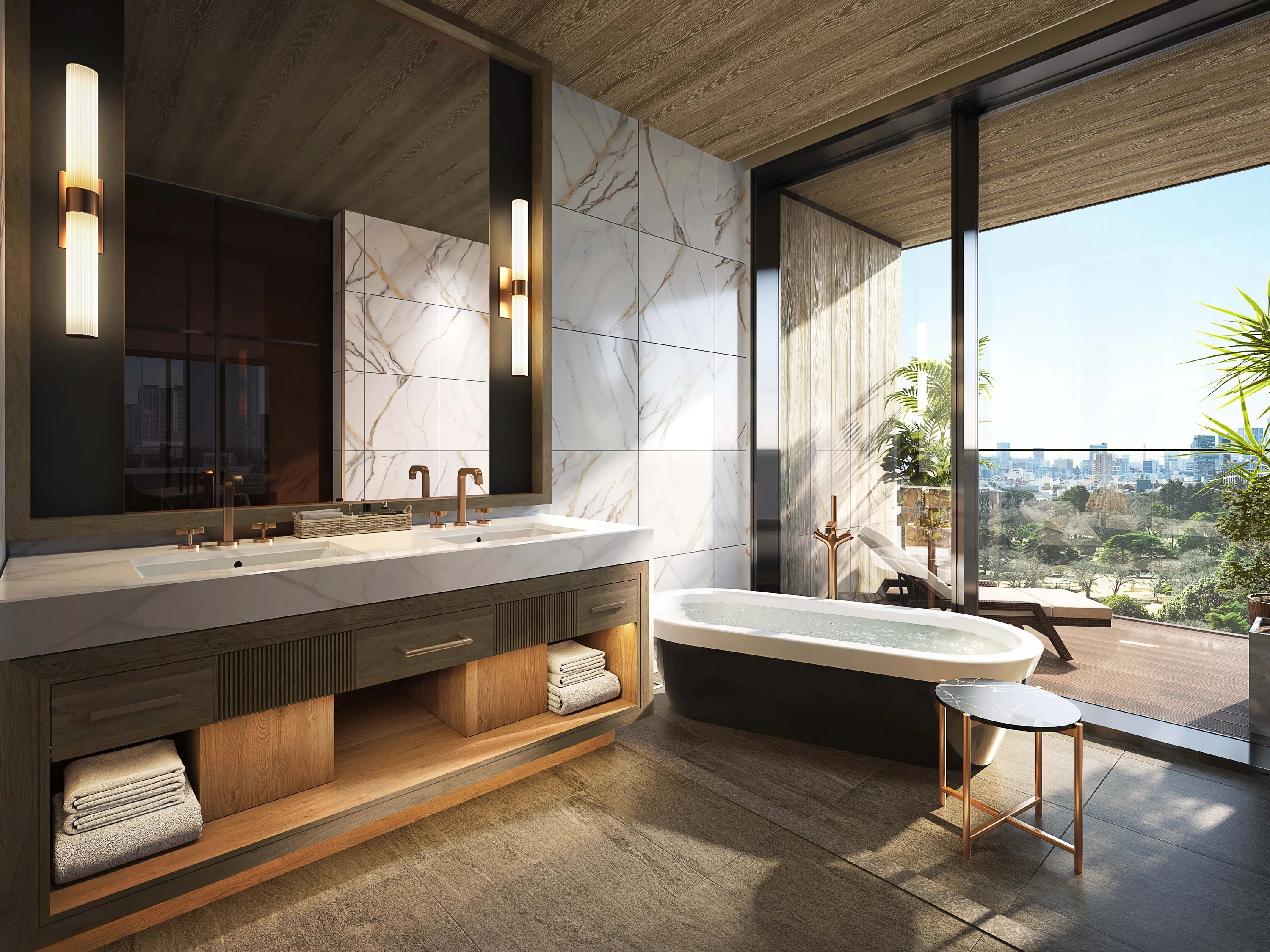
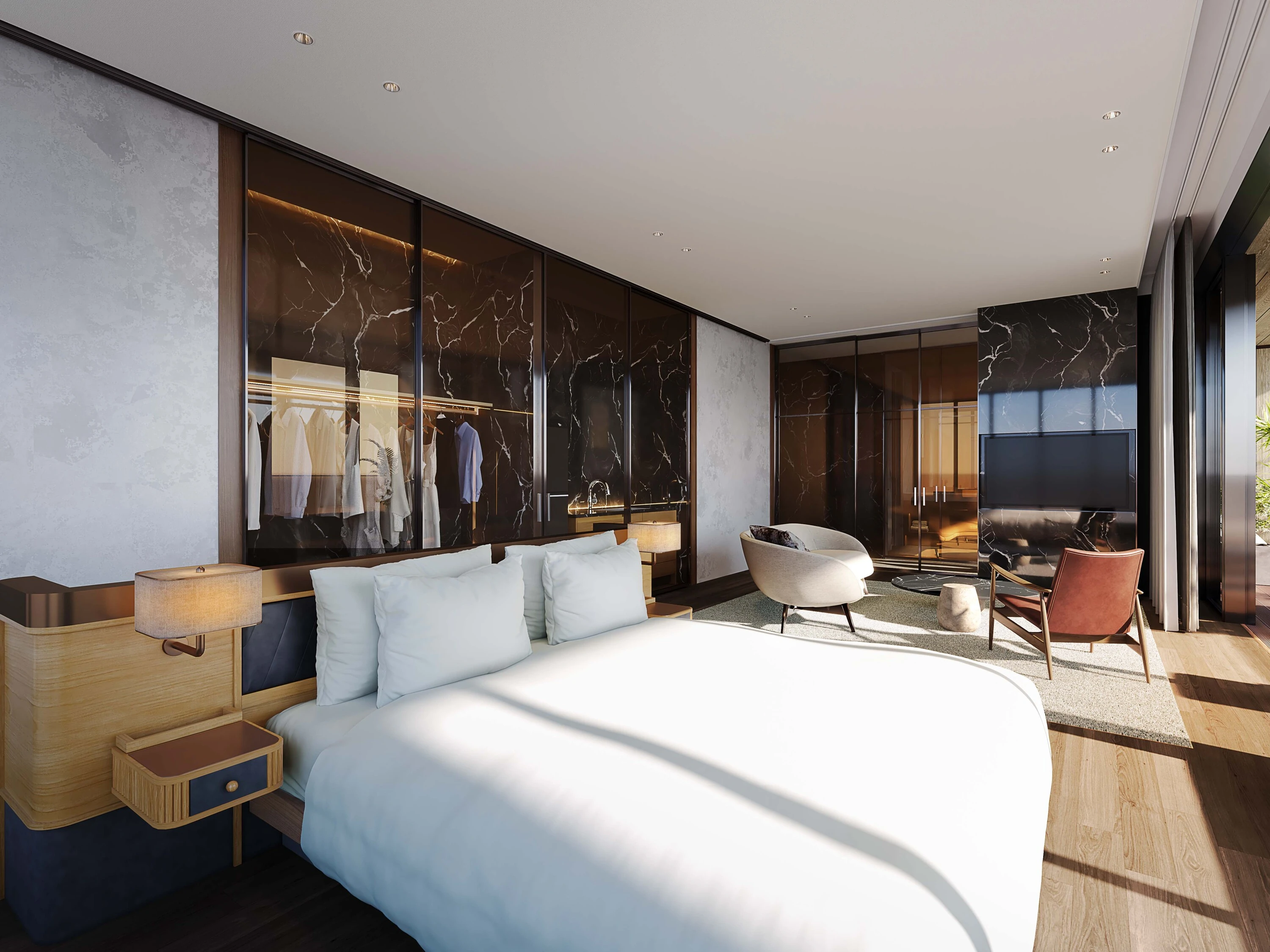
The building itself will rise 14 storeys, and the top floor is set to include two Gyoen Suites of about 70 square metres each, according to Japanese coverage cited in the reporting. Those suites are said to come with a wide window frontage of around 13 metres, plus a bathroom facing the balcony area. That kind of layout is obviously aimed at guests who want a slower, more panoramic stay, not just a place to crash after sightseeing.
That brings us to the broader appeal. Tokyo hotels often compete on convenience, but this one seems to be selling atmosphere first. The best part: the garden view should change with the seasons, so spring 桜 (sakura, cherry blossoms), early summer greenery, and autumn leaves could all feel very different from the same room. Personally, that seasonal angle makes the project feel more memorable than a standard city hotel. My verdict: it sounds ideal for travellers who want Tokyo with a little breathing room.
Why this matters for Japan travellers and language learners
Imagine a narrow alley in Tokyo. Then step out of it and find a major urban garden right next door. That contrast is part of the fun of staying in Shinjuku, because the area is not only about nightlife and shopping, it also gives you access to quieter spaces that change the pace of a trip.



On a related note: the name gyoen is worth remembering. In Japanese, it points to an imperial or national garden, and it appears in place names and travel contexts often enough that learners will spot it again. If you see terms like 駅 (eki) for station, 由縁 (yuen, origin; reason) for connection, or hotel names built around neighbourhoods, you're already reading Japanese travel language more naturally, even when everything is written in romaji.
Here's the deal: hotels like this also show how Japanese urban travel is increasingly about micro-locations. Not just Shinjuku, but west Shinjuku, east Shinjuku, or, in this case, the edge of Shinjuku Gyoen. For visitors planning a Tokyo stay, that kind of precision matters, because it affects walkability, quiet, and what kind of mornings you'll have. Sounds weird, but it's true.
What to watch before bookings open
There are still a few practical details travellers will want to keep an eye on. The hotel has a fixed opening date, but room categories, nightly rates, and dining plans haven't been laid out in the material provided here. Since reservations are expected to start on October 15, 2026, that should be the first moment when the full picture becomes clearer.
Pro tip: if you want a Tokyo hotel with a strong sense of place, compare this kind of property with standard chain business hotels in the same area. The difference is usually in space, design, and how much the hotel leans into local scenery. NOHGA tends to aim for that lifestyle-hotel sweet spot, where the building feels tied to the neighbourhood rather than dropped into it by accident.
For Japan fans, this is also a nice reminder that modern Tokyo travel isn't only about fast trains and famous crossings. Sometimes the most attractive stay is the one that lets you slow down, look out over trees instead of traffic, and notice a word like gyoen in a hotel name. Classic Japan, isn't it?
That makes NOHGA Shinjuku Gyoen one to watch for 2027 travel planning, especially if you like hotels with a clearer story behind them. more Japan news on jpnerd.com
In pictures
Frequently Asked Questions
When will NOHGA Shinjuku Gyoen Hotel open?
It is scheduled to open on July 15, 2027.
Where is the hotel located?
It will open in central Tokyo near Shinjuku Gyoen National Garden.
What makes this hotel stand out?
According to the reports, every room will face the garden, and the top floor will include large suites with wide views.