
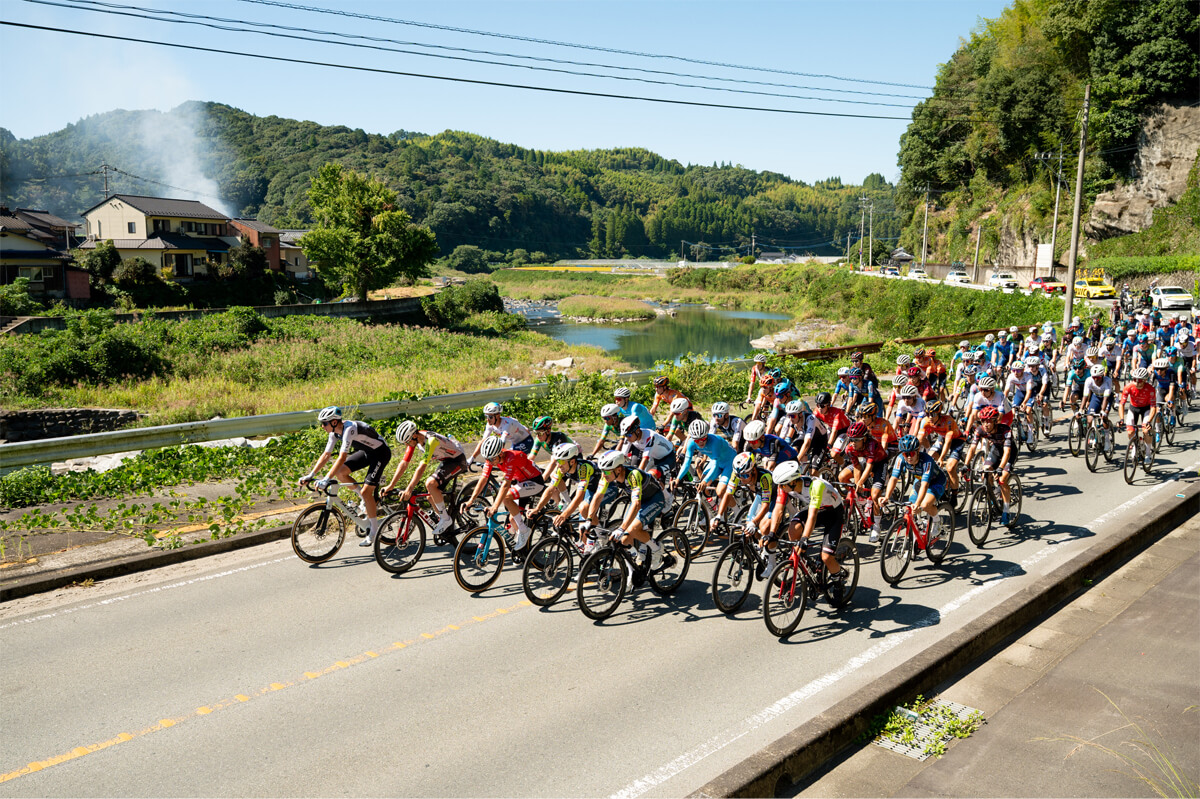
The Fukuoka stop matters because Tenjin is one of the city’s busiest centres, and race-day crowd flow, transport, and viewing spots’ll affect how you move around. Seriously, a little planning here could save you a lot of time.
Tour de Kyushu 2026 Fukuoka Stage puts Tenjin right in the spotlight, and that makes this more than a sports event. For travellers, it’s a chance to see central Fukuoka with a different rhythm, faster in some streets, tighter in others, and noticeably more crowded near the finish.

That also makes it useful for Japanese language learners. You’ll hear practical words around the event area, things like "出発 (shukko, departure / start)" for start, "終点 (shuten, finish / terminus)" for finish, and "関係者 (kankei-sha, person involved / stakeholder)" for people involved. Little bits of vocabulary like that are easy to remember when they’re tied to a real place, especially a place as easy to navigate as Tenjin.
What the Fukuoka Stage means for Tenjin
Here’s the thing: Tenjin isn’t just a finish line, it’s one of the main commercial districts in Fukuoka City. That means the stage will overlap with shopping streets, station access, bus routes, and everyday weekend movement. If you’re staying nearby, expect the area to feel busier than usual, especially during the final approach and after the winner crosses the line.

Quick detour: Fukuoka is already one of the most travel-friendly cities in Japan, thanks to its compact centre and solid public transport. Tenjin Station links to the Nishitetsu and subway networks, and that makes it a smart base if you want to watch the race without dealing with long transfers. My tip is to stay within walking distance if you can, because race-day detours can be a pain when streets get fenced off.
For Japan fans, the setting is part of the appeal. Tenjin has the polished city feel people often expect from modern Japan, but it still keeps local character through underground shopping passages, small cafes, and department stores with seasonal displays. See what I mean?
Spectator planning around Tenjin
Did you know that large cycling races often bring temporary traffic controls long before the lead riders arrive? That’s why you should check route maps and local announcements on the day, not just the week before. A finish-area race in central Fukuoka can affect taxis, buses, and even the easiest walking paths between exits.




Trust me on this one: if you want a good viewing spot, get there early and keep your backup plan simple. A corner near a wide intersection is usually better than a narrow curbside stretch, because you’ll have a clearer line of sight and less pressure from the crowd. And it gets better: once the race passes, Tenjin is packed with lunch spots, coffee shops, and convenience stores, so waiting around is far less tiring than in a suburban finish area.
Let's be honest: not every travel day needs a full-day schedule. For this stage, it may be smarter to pair the race with a short city walk, a shopping stop, or a quick visit to nearby spots such as the Hakata area or the waterfront. That way, even if you miss the tightest part of the finish, you still get something useful out of the trip.

Why Japan fans and learners should care
Imagine a narrow alley in Tokyo. Now swap in Fukuoka’s broader streets, warmer coastal air, and a local crowd that mixes office workers, shoppers, and cycling fans. The atmosphere around a major race finish gives you a nice snapshot of how Japanese cities work when big events meet everyday life.
And the language side is quietly helpful. Event signs may use words like "規制 (kisei)" for restrictions, "受付 (uke-tsuke, registration / reception desk)" for registration, and "会場 (kaijo, venue / event site)" for venue or site, depending on the setup. If you’re studying Japanese, this is a good chance to connect textbook vocabulary with real-world context. That reminds me: travel vocabulary sticks much faster when you see it on street signs or notice boards.
What I especially like is how these race days show another layer of Japan travel. You’re not only seeing a destination, you’re seeing how a city handles movement, timing, and public space. For anyone planning a Kyushu trip in 2026, that’s a very practical kind of local knowledge. From my experience...
In pictures


Frequently Asked Questions
Where will the Tour de Kyushu 2026 Fukuoka Stage finish?
The stage is set to finish in the Tenjin area of central Fukuoka.
Is Tenjin a good place to watch the race?
Yes, if you want easy access to transport, shops, and central city atmosphere, Tenjin is a strong choice.
What should Japan learners listen for on race day?
Listen for common event and transport words, especially signs and announcements about starts, finishes, restrictions, and venue access.


