Overview
Sonic the Hedgehog first hit consoles in 1991 on the Sega Mega Drive (Genesis, if you grew up on the American side of that naming split), and in the three-plus decades since, he's become one of the few video game characters who genuinely rivals Mario for global name recognition. That kind of longevity sounds inevitable in hindsight. It wasn't. Behind the merchandise, the movies, and the anniversary events sits a production history with at least one moment where Sega seriously debated whether to keep making Sonic games at all, and the person who's talked about that moment most directly is Takashi Iizuka, the man who's been inside Sonic Team since practically the beginning.
From Mega Drive Debut to Sonic Team's Inner Circle
Iizuka joined Sonic Team in the early 1990s, which means his career and the franchise's are basically the same length. He worked on Sonic the Hedgehog 3 and Sonic & Knuckles, two titles that, in practice, defined how far the Mega Drive-era games could push level design and momentum-based platforming before the hardware generation moved on. Then came Sonic Adventure in 1998, where Iizuka became one of the key creative voices shaping how Sonic would translate into 3D. That's not a small credit. The jump from 2D to 3D broke plenty of beloved franchises in the late '90s, and Sonic Adventure is the reason the series didn't become one of them, at least not immediately. Iizuka is now head of Sonic Team at Sega, which puts him in the unusual position of having shaped the character as a young developer and now being the one responsible for deciding what happens to him next.
The Story Behind Sonic's Closest Call
You've probably heard some version of the idea that Sonic nearly got cancelled during Sega's rough patch in the early 2010s. There's truth in the surrounding context: Sega's own console hardware era had already ended with the Dreamcast back in 2001, and by the early 2010s the company was posting fluctuating, often weak financial results that put real pressure on its properties, Sonic included, despite the character still having a genuinely loyal fanbase. But that's the backdrop, not the crisis itself. According to Iizuka's own account, revealed in a June 2026 GamesRadar+ interview, the moment Sega internally weighed ending the franchise outright traces specifically to around 2016, in the direct aftermath of the Sonic Boom games' failure, not to the earlier financial downturn on its own. That's a meaningful distinction. It means the near-cancellation wasn't just Sega tightening budgets across the board; it was a specific reaction to a specific misstep, and Iizuka has said the mood inside the company at that point was genuinely low. Beyond that particular episode, Iizuka has described in multiple interviews that there were other internal stretches where it simply wasn't clear whether Sonic would continue, and where the job, as he's told it, came down to personally justifying why the franchise still deserved to exist. Sega isn't always precise in public about exactly which low point maps to which year, and neither, frankly, are the interviews stitched together after the fact, so treat the general pattern of internal uncertainty as consistent across the 2010s rather than a single, cleanly dated event.
Beyond the Games: Cartoons, Comics, and the Live-Action Era
Whatever the internal politics, Sonic's survival strategy clearly worked, and it worked by not staying confined to games. The character expanded into cartoons, comics, and toy lines that ran in parallel with the mainline releases for decades, and then, in the 2020s, into a live-action film series that introduced Sonic to audiences who'd never touched a controller. That cross-media spread is exactly why Sonic functions as a bridge between generations of fans in a way most gaming mascots don't: a parent who grew up with the Mega Drive games and a kid who grew up with the movies are, remarkably, talking about the same character.
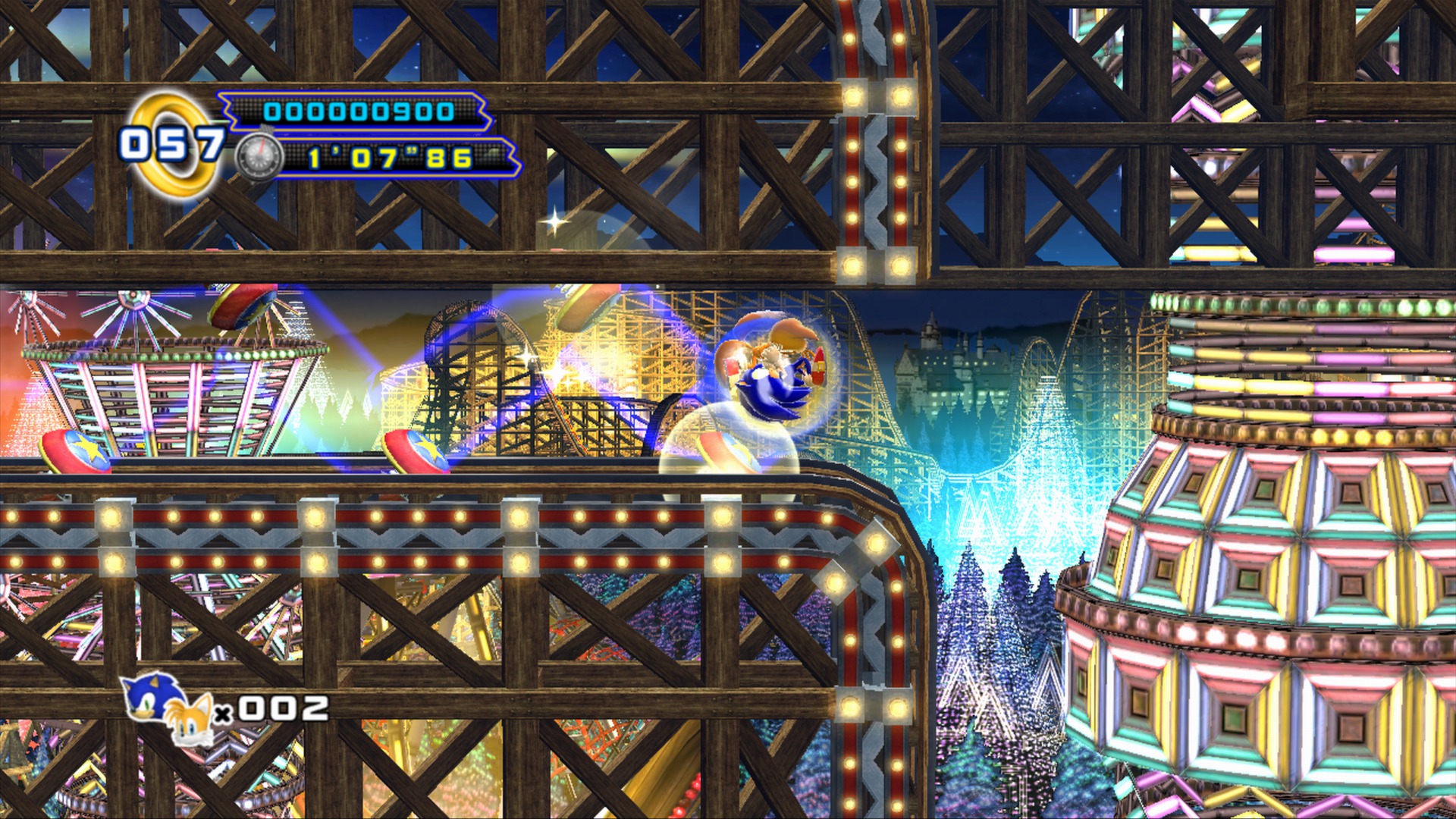
Reading Sonic in Japanese
If you're using pop culture to build your Japanese, Sonic is a genuinely useful entry point, and I say that as someone generally skeptical of "learn Japanese through anime" claims. In Japan, the character is rendered in katakana as Sonikku za Hejjihoggu, and most of the franchise's core vocabulary, リング (ringu, ring) for ring, 速度 (sokudo, speed) for speed, カオスエメラルド (kaosu emerarudo, Chaos Emerald) for Chaos Emerald, arrives as katakana loanwords borrowed straight from English. That makes Sonic material an approachable place to practice reading katakana before you tackle kanji-heavy text, and it's a reminder that not every franchise worth studying in Japanese requires you to start with dense vocabulary.
Where to Play and Buy Sonic Today
The practical upside of a 30-year library is that most of it is still available. Classic-era Sonic is accessible through compilation releases like Sonic Origins on PlayStation, Xbox, Nintendo Switch, and Steam, while later 3D and modern entries such as Sonic Frontiers and Sonic Colors Ultimate are sold digitally on the same platforms plus mobile storefronts. Physical collectors' editions still turn up at retail for the console releases, and Sega periodically bundles older titles into digital sales worth watching if you're building out a collection rather than chasing a single game.