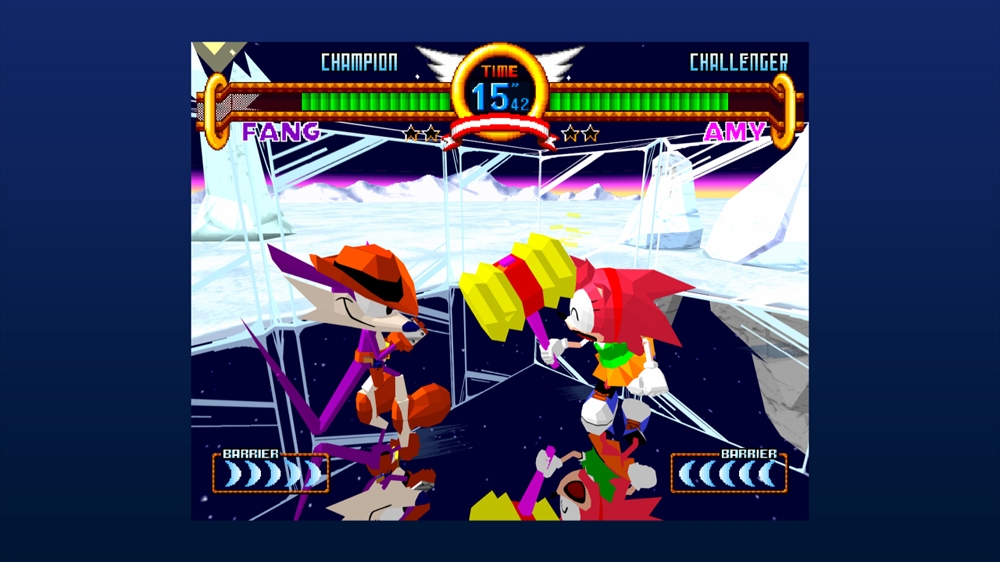
For Japan fans and language learners, this story is also a nice window into Sega culture, from arcade-era pride to the pressures of global branding. Sounds good, right?
![Dragon Ball Z: Kakarot [Master Edition]](https://s.pacn.ws/1/p/1eh/dragon-ball-z-kakarot-master-edition-908785.1.jpg?v=t8ja8t&width=400)


What most people don't know: Sonic was once a risk for Sega
Sonic the Hedgehog looks untouchable now, but Sega didn't always see it that way. Before I forget, the company was under heavy pressure in the 2000s, after the Dreamcast era ended in 2001 and Sega had to rebuild itself as a third-party publisher. That shift was painful, and Sonic, the face of the brand since 1991, carried a lot of that burden.
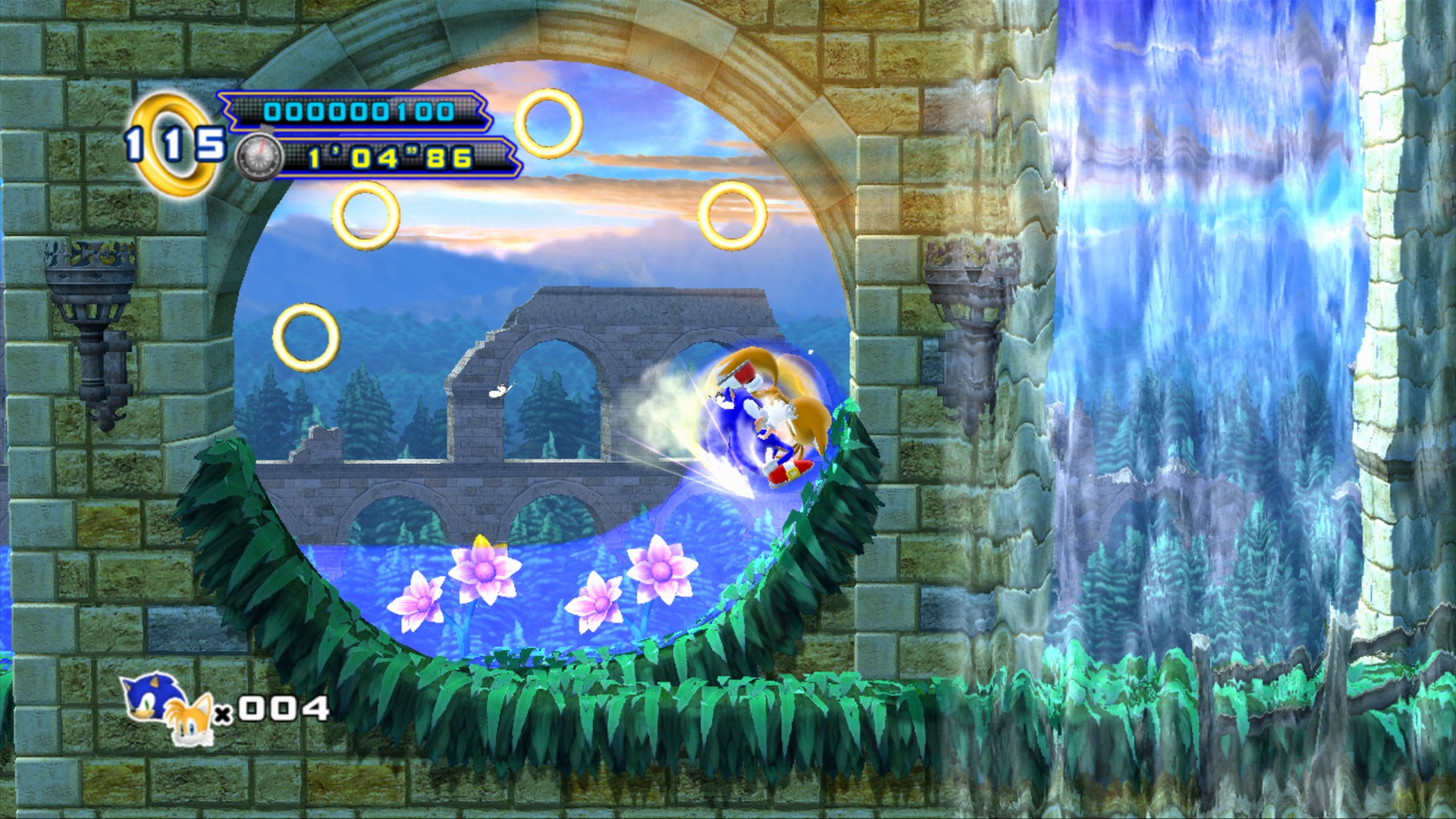
Takashi Iizuka, one of the key names behind Sonic at Sega, has spoken about how the series wasn't automatically safe just because it was famous. The problem was simple, and brutal. If a mascot stops pulling its weight, a publisher starts asking hard questions. Sonic had brand value, yes, but Sega also needed sales, stable reviews, and a clear reason to keep investing. Sounds weird, but it's true.
Quick detour: Sonic started as Sega's answer to Nintendo's Mario, and that rivalry mattered in Japan and overseas. Sega launched Sonic in 1991 for the Mega Drive, called Genesis in North America, and the character became a symbol of speed, coolness, and arcade-style attitude. By the 2000s, though, Sega was no longer fighting just for style points. It was fighting for survival.
Takashi Iizuka and Sega's internal Sonic debate
Here's the catch: Takashi Iizuka wasn't some outside commentator. He worked deep inside Sega's Sonic team, including Sonic Team, and later became one of the most visible guardians of the franchise. That makes his comments especially interesting, because they show how a publisher thinks when a big-name series starts to wobble.
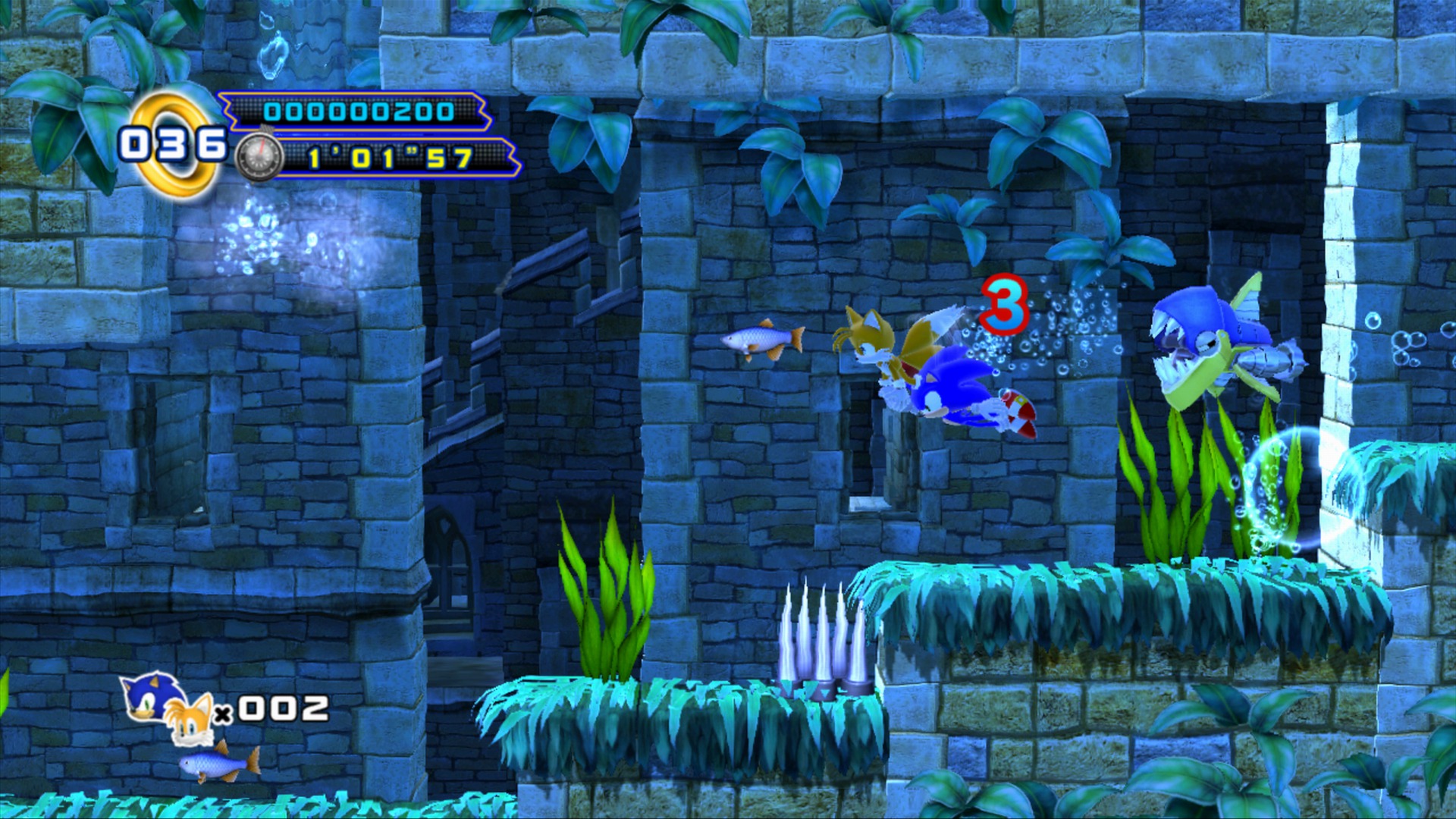
According to the broader reporting around this story, Sega had considered whether Sonic should continue in its old form after a run of uneven 3D entries. The company had released Sonic Adventure in 1998, then Sonic Adventure 2 in 2001, but the transition to the new era was messy. Some games were loved, others were torn apart by fans, and each release seemed to raise the same question: can Sonic still define Sega? Not every mascot survives that kind of scrutiny.
And it gets better: Iizuka's perspective also shows how Japanese game companies often balance legacy with business reality. In Japan, long-running brands can feel almost family-like, but there is still a very hard commercial layer underneath. A character can be famous and still be treated like a product line, and that tension is classic Sega, isn't it?
Why Sega hesitated to keep pushing Sonic
What most people don't know: Sonic was expensive to keep relevant. High-profile 3D games need long development cycles, larger teams, and more QA testing, especially when a character's movements are the whole point of the experience. If Sonic doesn't feel fast, the entire concept falls apart.
While we're at it: Sega also had to think about its image. After the Dreamcast failure, the company was no longer the bold hardware challenger it had been in the 1990s. It needed software hits, but it also needed discipline. A bad Sonic game wasn't just one bad release; it could drag the brand down harder than a smaller new IP would. That is the kind of insider logic fans don't always see.
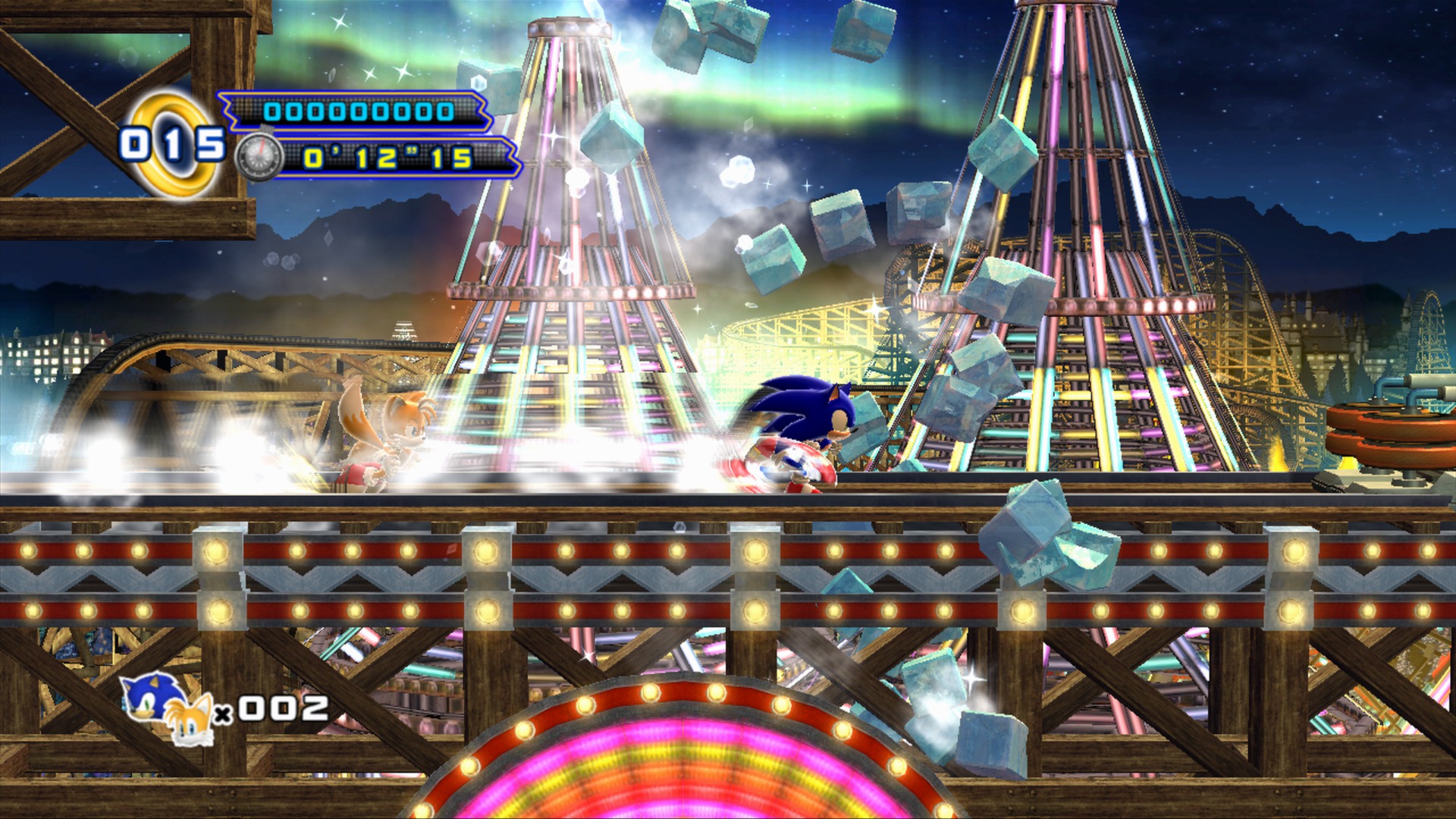
My tip: when you read Japanese interviews about game history, watch for words like risk, legacy, and brand value. In Japanese business writing, you often see terms such as 理由 (riyu, reason), 問題 (mondai, problem), and 戦略 (senryaku, strategy) used in a very practical way. The tone is usually cooler than fan culture expects, but that makes the comments more revealing. Sounds good, right?
Sonic survived because Sega changed how it used the character
Imagine a narrow alley in Tokyo. One wrong turn, and you're stuck. Sega's Sonic strategy in the 2000s felt a bit like that, because the company needed to find a path that kept the mascot alive without pretending everything was fine. The answer wasn't to bury Sonic, but to reposition him.
For example: Sega began spreading Sonic across different kinds of releases, from mainline games to spin-offs, remasters, and cross-media appearances. Titles like Sonic Unleashed in 2008, Sonic Generations in 2011, and later Sonic Mania in 2017 showed that the series could still work when the team respected what fans liked. That mix of 2D nostalgia and modern presentation helped reset the conversation.
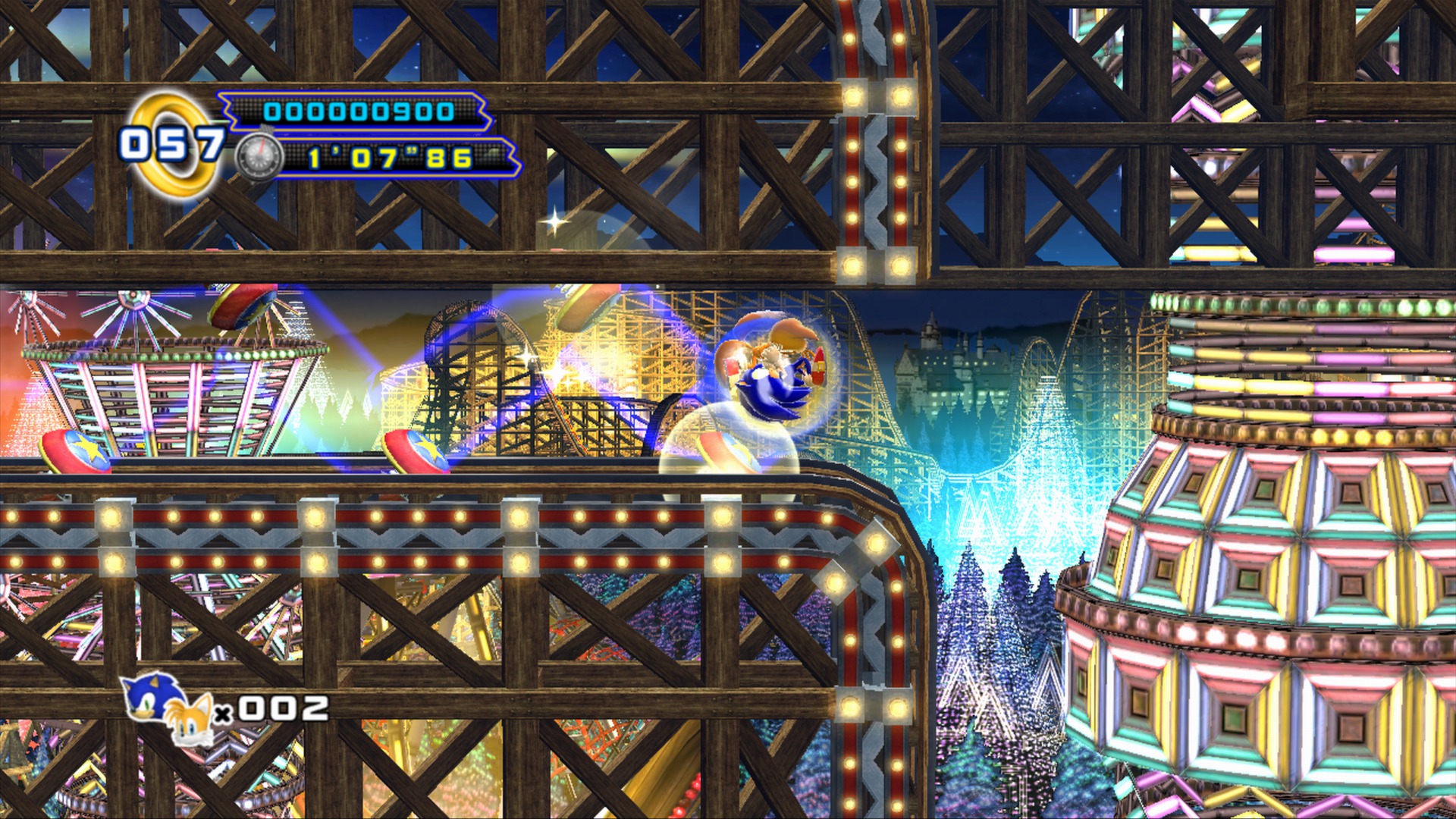
And Sega didn't just rely on games. Sonic became an animation star, a movie character, and a global merchandise brand. That matters because Japanese companies often think in media mix terms, where one character lives across many formats. If one lane gets rough, another lane can keep the brand visible. Insiders love that kind of flexibility. Wait, there's more.
Why this Sega-Sonic story matters for Japanese learners
Let me show you why this story is useful beyond gaming history. If you're learning Japanese, company interviews like Iizuka's are packed with practical vocabulary. Words such as 生成 (seisei, generation; creation), 新規 (shinki, new; new business), 基準 (kijun, standard; criterion), and 出発 (shuppatsu, departure; starting point) appear often in business and entertainment reporting, and they help you understand how Japanese media frames decisions. You don't just learn words, you learn how Japan talks about pressure and recovery.
What I especially like: this is also a reminder that Japanese pop culture icons are rarely accidental. Sonic was born from Sega's need to compete, then nearly became a casualty of Sega's own restructuring, then survived because the company adjusted its thinking. That arc tells you a lot about the Japanese games industry, where tradition, engineering, and market reality always rub against each other. Classic Japan, isn't it?
Before I forget: if you want to read more Japan-related stories like this, check out more Japan news on jpnerd.com. You'll find plenty of material that connects language learning with real industry context, and that's the best kind of study material. But that's not all.
In pictures
Frequently Asked Questions
Did Sega really consider ending Sonic?
Yes, there were periods when Sega questioned how much longer it should keep pushing the character in the same form.
Who is Takashi Iizuka?
He is a key Sega developer closely linked to the Sonic series and one of the franchise's most important internal voices.
Why did Sonic survive when other mascots faded?
Sega changed its strategy, used Sonic across more formats, and kept adjusting the brand to match new market realities.