
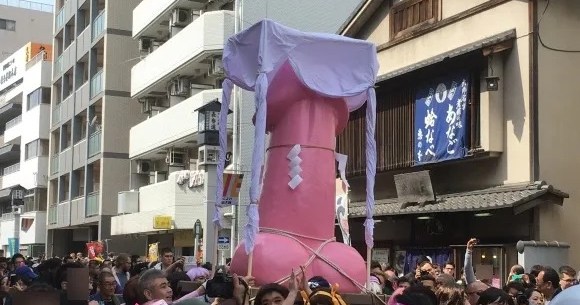
Kanamara Daimyojin and Kanayama Shrine in Kawasaki
Fact: Kanayama Daimyojin is the central deity venerated at Kanayama Shrine, located in Kawasaki, Kanagawa Prefecture, right between Tokyo and Yokohama.
The shrine's history is linked to blacksmiths and metalworking, and the deity became associated with safe childbirth and protection from disease over the centuries, especially from the Edo period onwards.
Religious background and symbols
The first time I went to Japan, I learned that the shrine's rituals are far from crude. They’re ritualistic and meaningful to worshippers, mixing folk religion with community needs.
Here's the kicker: the shrine still sells amulets for protection and fertility, sometimes called お守り, and local families bring newborns for blessings, so the festival's playful imagery sits on a serious spiritual foundation. Convinced yet?
What happens at Kanamara Matsuri
Question ( What actually takes place during Kanamara Matsuri, and why do crowds flock to Kawasaki every spring?
No joke, the festival happens on the first Sunday in April each year at Kanayama Shrine and draws several thousand visitors who come to see phallic mikoshi, buy novelty confectionery, and pray for fertility and safe childbirth.
Mikoshi, souvenirs and the procession
Fun fact: there are three main portable shrines in the parade, including a large black iron phallus mikoshi and a pink papier-mâché mikoshi, plus smaller offerings that people carry through the streets of the Honmachi district.
Let's be honest: the visuals are bold, but the festival also funds local charities and raises awareness for sexual health, which is why many foreigners and Japanese alike see it as community-focused. See what I mean?
Modern oddities: manhole lids and pop-culture echoes
Anecdote: I remember seeing a photo last year of a newly designed manhole lid in a nearby city that raised eyebrows because its pattern resembled the Kanamara symbol, and the image went viral on social media.
Here's the catch: SoraNews24 recently covered a similar story about a manhole lid that looks, well, unmistakably suggestive, and the piece linked the symbol back to Kanayama Shrine's iconic imagery, which still appears on merchandise and local public art. See the SoraNews24 report.
Visiting tips, language notes and local context
Direct address: If you're planning to visit, here's the deal: go early to avoid the biggest crowds, bring cash for small purchases, and respect the shrine etiquette, such as bowing at the torii and washing hands at the chozuya.
Plot twist: you'll also pick up useful vocabulary. For example, ) (matsuri) means festival, (jinja) is shrine, and is the shrine's deity in kanji, while the romanised name is Kanayama Daimyojin. My tip: try saying "o-mamori" when buying an amulet, and shopkeepers will smile at the attempt. Highly recommended:
Insider tip: bring a phrasebook or use language apps to practise simple phrases like "sumimasen" and "arigatou". The locals appreciate it, and you'll learn cultural nuances faster. Personally, I love how the event blends sacred ritual with open celebration. Simply brilliant.
Frequently Asked Questions
When is Kanamara Matsuri held?
The festival is held on the first Sunday in April each year at Kanayama Shrine in Kawasaki.
Is the festival a religious event or a tourist attraction?
Both. It is a Shinto festival with religious rites and a community focus, but it also attracts many tourists because of its unusual imagery.
Can foreigners participate?
Yes, visitors are welcome. Follow shrine etiquette, be respectful during rituals, and enjoy the food and stalls.


