Overview
Okay, so. Tomodachi Collection is one of those games that people outside Japan have basically never heard of, and Nintendo diehards will absolutely fight you over. It started as a Japan-only Nintendo DS release back in 2009, a Mii-based daily-life sim where you drop your friends, family, coworkers, and whatever celebrities you feel like into a shared apartment building and just... watch what happens. There's no real objective, no boss fight, no ending you're racing toward. Just vibes, chaos, and your dad's Mii getting proposed to by your coworker's Mii at two in the morning. It became a genuine domestic hit in Japan and it built the entire foundation the franchise still stands on today.
The version most people outside Japan actually recognize is Tomodachi Life, the Nintendo 3DS follow-up that finally pushed the series into international visibility. And now, well over a decade later, the whole franchise is having a genuine moment again thanks to a Switch comeback that reignited exactly the kind of unhinged, obsessive fan energy the original inspired back in 2009. This is your guide to what the series actually is, how it plays, why the revival matters, and where you can actually go play it.
From a Japan-Only Cult Hit to a Full-Blown Comeback
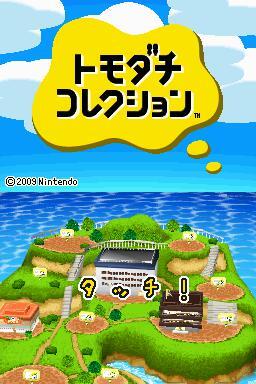
Here's the thing about Tomodachi Collection: it was never actually niche, it was just under-exported. The original DS game lived and died in Japan, no Western release, nothing. And yet it became the kind of title people quietly kept talking about for years, the game friends would describe to each other in increasingly unhinged detail because there was no easy way to just point at a trailer.
When Nintendo finally announced the comeback, the reaction wasn't a polite golf clap, it was genuine hysteria. The announcement tweet alone pulled in 403,000 likes, which is an absurd number for a life sim about digital dolls yelling, singing, and confessing love to each other, and honestly it's the clearest proof yet that this fandom never went anywhere.
That comeback took shape on Switch as Tomodachi Life: Living the Dream (some of the earliest chatter framed it simply as a Tomodachi Collection revival, and the exact naming distinction between the two is a little blurry depending on who you ask). What isn't blurry is the sales. The new Switch entry moved 3.8 million copies within roughly two weeks of its April 2026 launch, and by August 2026 that number had already climbed past 8 million. Zoom out to the franchise as a whole, Tomodachi Collection and Tomodachi Life combined, and you're looking at well over 13 million copies worldwide, something like 13.8 million as of May 2026, per sales tracking at vgsales.fandom.com. That is not cult numbers. That is a legitimate Nintendo pillar that spent fifteen years being criminally underrated outside its home country.
How the Game Actually Plays
The core loop is deceptively simple and I will die on this hill: it's one of the smartest "nothing" games Nintendo has ever made. You name your Mii characters, dress them, and place them into apartments together. From there, the game basically runs itself. Residents argue over nothing, fall in love with people they have no business falling in love with, burst into song mid-conversation, and deliver confessions so unhinged you have to screenshot them immediately. None of it is scripted in any way you can predict. It's emergent social-drama comedy, generated entirely by putting people you know into a blender and seeing what comes out.
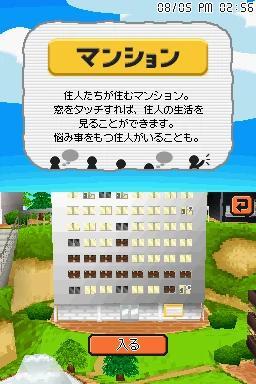
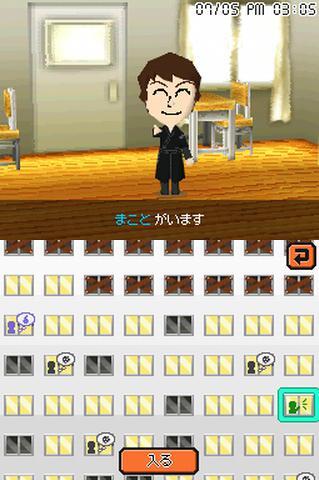
The original DS game leaned hard on the touch screen for basically everything, naming your Miis, handing out gifts, checking in on their rooms to see what unhinged thing they'd done since you last looked. It was tactile in a way that made the whole thing feel weirdly personal, like you were actually poking around in someone's life rather than clicking through menus.
The revived version moves the whole thing to an island setting, where your Mii residents act out scenarios that read like actual tabloid headlines. Same emotional chaos, new backdrop, and honestly the format upgrade suits it. This was always a soap opera generator. Giving it an island just gives the soap opera somewhere prettier to happen.
A Surprisingly Solid Way to Pick Up Japanese
Here's the bit nobody talks about enough: Tomodachi Collection is genuinely useful if you're trying to learn Japanese. Because the dialogue is built around everyday social situations, arguments, flirting, gossip, apologies, you end up absorbing real conversational expressions and relationship vocabulary instead of textbook phrasing nobody actually says out loud. You also pick up a lot of pop-culture habits and speech quirks just from watching how Miis "talk" to each other, which is honestly more useful for immersion than a lot of dedicated study apps. If you're already learning Japanese through anime and games, this fits right into that pipeline.
Where to Play Tomodachi Collection Today
- The original 2009 Nintendo DS release remains a Japan-only title, so playing it in its original form means tracking down a Japanese DS cartridge and a system that can read it.
- Tomodachi Life on Nintendo 3DS is the internationally released entry and remains the most accessible classic-era way to experience the series outside Japan.
- The current entry point for the revival is the Switch release, Tomodachi Life: Living the Dream, which is where the franchise's momentum and sales are concentrated right now.
At the end of the day, this is a franchise that proves you don't need stakes to make something compulsively watchable, you just need to hand players a cast of characters that feel like theirs. I think I speak for a lot of us when I say the comeback earned every one of those 403,000 likes.