What makes it stick is simple, and a bit weird in the best way: you watch tiny lives unfold, then laugh when your own island residents start acting like tabloid headlines. For Japan learners, it’s also a goldmine of everyday expressions, relationship words, and pop-culture habits.
![Dragon Ball Z: Kakarot [Master Edition]](https://s.pacn.ws/1/p/1eh/dragon-ball-z-kakarot-master-edition-908785.1.jpg?v=t8ja8t&width=400)

Why Tomodachi Collection Became a Japanese Cult Classic
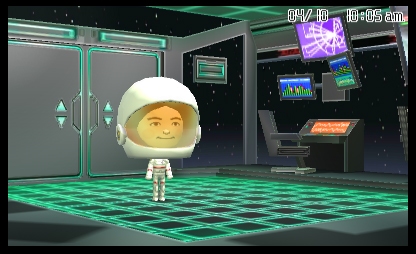
友達 (tomodachi, friend) Collection first launched on Nintendo DS in 2009, and its success in Japan was no accident. Nintendo took the Mii idea, mixed it with daily-life simulation, then added a layer of absurd social drama that felt strangely close to real Japanese group life. You name your characters, dress them, place them in apartments, and then sit back while they argue, fall in love, sing, or confess the most ridiculous thoughts possible.
That mix hit a nerve. Japan already had a strong appetite for character-driven games, but Tomodachi Collection made the cast feel personal. Your Mii neighbours weren’t just avatars, they became a miniature version of your school, office, or friend circle. Hand on heart, that’s why the game aged so well. It doesn’t feel like a systems-first sim, it feels like gossip with buttons. My tip is this: if you want to understand the appeal, think less about winning and more about watching a drama unfold. See what I mean?
The 2009 DS original and why it sold so well
The original Tomodachi Collection, released for Nintendo DS, became a Japan-only hit and built the foundation for everything that followed. Nintendo reported sales of around 3.8 million copies for the series' main revival era, and that scale tells you this wasn’t a tiny niche title. It was a full-on cultural object, passed around by families, school friends, and office workers who normally wouldn’t call themselves gamers.
For example, one reason it worked so well on DS was the touch screen. Naming Mii characters, giving gifts, and checking rooms felt intimate and immediate, almost like flipping through a diary. Unlike what we’re used to in many Western life sims, Tomodachi Collection doesn’t reward efficiency. It rewards curiosity. You check in, something odd happens, you laugh, then you come back tomorrow. From my experience, that slow-burn rhythm is a huge part of the charm.
Why Japan Loves the Mii Drama Formula
Let’s be honest: the real appeal isn’t the furniture or the apartments, it’s the drama. Tomodachi Collection turns tiny life events into comedy sketches, and the game knows exactly when to stay serious and when to get completely unhinged. A Mii can confess love, eat a strange dish, sing a bizarre song, then have a meltdown over a hat. Simply brilliant.
That style fits Japanese comedy surprisingly well. The game often works like a 漫才 (manzai, Japanese double-act comedy) set-up, where the straight line is everyday life and the punchline is total emotional overreaction. Plot twist: the Mii drama isn’t random noise, it’s carefully designed social theatre. Your island becomes a stage, and the characters perform their own little nonsense opera.
Japanese learning connections hidden in the gameplay
For language learners, the series is a sneaky study aid. You run into everyday vocabulary tied to food, clothes, feelings, rooms, and relationships, so words like 好き (suki, to like; liked), 嫌い (kirai, to dislike; hated), tomodachi, 契約 (keiyaku, contract; agreement), and 幸せ (shiawase, happiness; bliss) start feeling grounded instead of abstract. Even if you only catch fragments in romaji, the rhythm of the words helps you remember them.
Here’s the thing: Tomodachi Collection also teaches Japanese social texture. The game is full of small acts of attention, like giving gifts, checking moods, or keeping up appearances. That matters because Japanese communication often values reading the room, or 空気を読む (kuuki o yomu, to read the room). When a game makes that social pressure funny instead of stressful, it becomes easier to understand why players kept returning to it for years. Not bad, right?
What Is New in the Revival?
The revival, Tomodachi Collection: Wakuwaku Seikatsu, keeps the core formula but updates the experience for a new audience. Nintendo has clearly leaned into cleaner presentation, smoother systems, and a broader sense of daily-life chaos that now travels well beyond the original DS audience. The fact that the series can come back this strongly after so long says a lot about how durable its concept is.
On the flip side, the new wave of attention isn’t just about nostalgia. It also lines up with current online culture, especially VTuber fandom. A great example: Hololive fans have already treated Mii-style character creation like a content machine, because it lets them build familiar personalities and stage mini-relationships in a format that feels instantly shareable. Watame-related fan content has helped push the game’s image further into the internet spotlight, and that viral energy fits the revival perfectly. Trust me on this one: when a life sim becomes clipping fuel, you know it’s crossed into a new era.
Why the VTuber crowd gets it immediately
VTuber culture already runs on persona, performance, and audience attachment, so Tomodachi Collection lands naturally there. Fans enjoy seeing characters put into strange domestic situations, then watching the game produce reactions that feel scripted and accidental at the same time. It’s a little like live improv, except the cast is made of Miis and nobody’s fully in control.
Seriously though, this is also why the game is so shareable. A single weird scene can become a clip, a meme, or a discussion thread within minutes. That kind of reaction loop is exactly what modern fan communities love, and it gives the revival a built-in engine for attention. My verdict: Nintendo found a game that still understands the internet’s appetite for chaos.
Why Tomodachi Collection Still Works in 2025
Tomodachi Collection survives because it understands something many games miss, people like watching other people be messy. Not in a cruel way, but in a harmless, toy-box way. The game turns embarrassment into entertainment, then wraps it in cute Mii faces and soft humor. That balance is hard to fake.
For Japan fans, the series is also a time capsule. It reflects a post-DS era when Nintendo was experimenting with approachable, low-pressure software that could reach households, not just hobbyists. Today, the revival gets to inherit both that history and a new internet-native audience. This is my absolute hidden gem! If you want a game that explains a slice of modern Japanese pop culture, this is one of the clearest examples Nintendo has ever made.
And if you’re studying Japanese, keep an eye on the everyday vocabulary, the social routines, and the way the game frames small feelings. That’s where the real learning sits, quietly, inside all the comedy. For a wider look at Japan culture and gaming news, you can always read more Japan news on jpnerd.com. From my experience...
Frequently Asked Questions
Why did Tomodachi Collection become so popular in Japan?
It mixed easy-to-play life simulation with funny social drama, which made it appealing to a very wide audience.
Is the revival just nostalgia?
No, it builds on nostalgia but also fits modern fan culture, especially online sharing and VTuber content.
Can Japanese learners get something from the game?
Yes, it is useful for everyday vocabulary, emotional expressions, and learning how Japanese social situations are often framed.