
Hand on heart, this is one of those Nintendo moments that feels bigger than a simple re-release rumour. It taps into pure Japan fandom, and if you’re learning Japanese, there’s plenty here to enjoy beyond the hype.
![Dragon Ball Z: Kakarot [Master Edition]](https://s.pacn.ws/1/p/1eh/dragon-ball-z-kakarot-master-edition-908785.1.jpg?v=t8ja8t&width=400)


Tomodachi Collection and the return of a very Japanese Nintendo classic
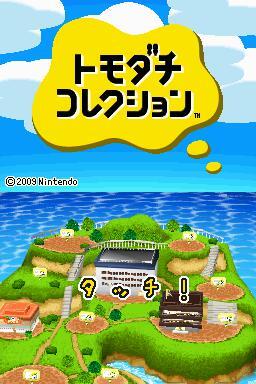
Guess what? Tomodachi Collection is one of those games that only Nintendo could have made and only Japan could have turned into a cultural event. The original Nintendo DS game arrived in 2009, followed by Tomodachi Collection New Life on Nintendo 3DS in 2013, and together they sold 3.8 million copies in Japan alone. That’s a serious number for a series that never really chased the West in the same way Mario or Zelda did.
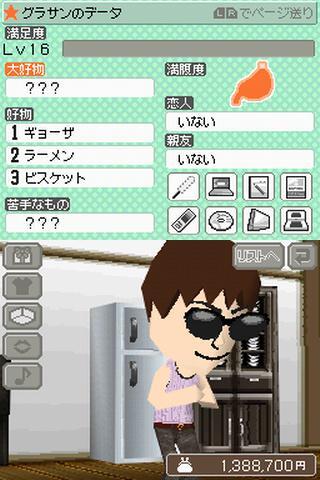
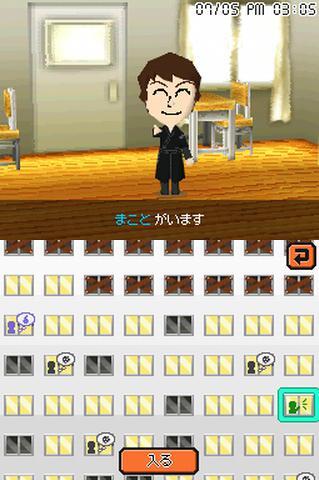
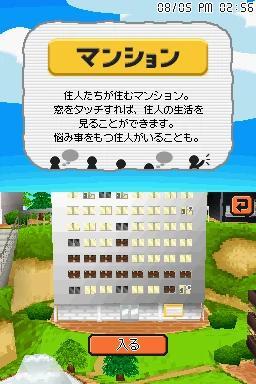
I still remember exactly how odd the whole concept felt the first time I saw it. You create Mii-style characters, drop them into an apartment building, and watch them build friendships, argue, sing, fall in love, and behave like tiny soap-opera stars. Wild, isn’t it? But that offbeat mix of humour, social simulation, and pure Nintendo charm is exactly why Tomodachi Collection has such a loyal following.
What makes the current comeback talk so strong isn’t just nostalgia. It’s the fact that the franchise still feels distinctly Japanese, from the everyday settings to the deadpan comedy. If you’re a Japanese learner, this is a great place to notice casual conversation patterns, personality words, and simple life vocabulary, the kind of language that shows up in school, in homes, and in everyday chat. Personally, I think that’s part of the appeal: it doesn’t feel like a fantasy world, it feels like a weirdly exaggerated version of normal life.
And then there’s the social media reaction. Nintendo’s tweet about the renewed attention pulled in 403K likes, which is the kind of number that tells you this isn’t a niche memory from a few DS fans. That’s massive engagement, and it shows how quickly a beloved Japan-only brand can explode again when the right spark hits. From my experience, Nintendo knows exactly how to feed that kind of excitement without overexplaining it, which only makes fans talk more. Convinced yet?

Why the Tomodachi Collection hype feels so strong in Japan
Ever wondered why a game about digital flatmates can move so many people? In Japan, the answer is partly timing, partly personality, and partly the way Nintendo handles characters. Tomodachi Collection lands in that sweet spot between toy-like play and social observation, and that’s a very Japanese kind of design choice. It’s playful, but it never feels chaotic for the sake of it.
Quick detour: the series also connects nicely with Japan’s love of character-driven media. Think of the same energy that makes people adore mascot culture, convenience-store character goods, or little in-jokes on variety shows. Tomodachi Collection doesn’t ask for deep mechanical mastery, it asks you to care about what your Miis are doing, saying, and feeling. That low-pressure approach is a big reason it stayed memorable long after the initial release window.
The 3.8 million copies matter more than they first look
That sales figure is worth pausing on. 3.8 million copies in Japan isn’t just a decent result, it places the series in a very select club of domestic hits. It also explains why people keep bringing the game back up whenever Nintendo nostalgia bubbles over. If a title reaches that level without needing a global breakout, it becomes part of the local gaming memory, and local memory in Japan can be incredibly durable.
While we're at it, this is also why the franchise’s name still carries weight in fan conversations, even years later. A lot of Japanese players grew up with it, or played it in school days, on commutes, or during family time. That kind of attachment is hard to manufacture. Classic Japan, isn't it? From my experience, the strongest nostalgia stories usually come from games that fit into daily life rather than standing apart from it.
My tip: if you’re learning Japanese, try looking up gameplay clips and listening for everyday phrases. Even short lines can help you get comfortable with casual speech, especially greetings, feelings, and simple reactions. You’ll notice words that rarely appear in textbook examples, and that makes the language feel much more alive. Personally...
Nintendo, social media, and the art of making fans wait
And it gets better: Nintendo’s ability to ignite a huge reaction with a single post is part of the modern magic here. A 403K-like tweet isn’t just a viral stat, it’s proof that Nintendo still controls the pace of its own fandom. It posts, fans speculate, clip accounts amplify, and the whole thing snowballs across platforms before the company has even said much at all.

Let me show you why this matters for Japan fans. Nintendo’s Japan audience is especially responsive to recognisable IPs with strong emotional memory, and Tomodachi Collection fits that pattern perfectly. It’s not trying to be edgy, and it’s not built around high-stakes competition. It is built around affection, routine, and tiny surprises, which is exactly the sort of thing that can feel comforting in a busy media landscape.
There’s also a smart branding angle here. Nintendo has always been good at presenting old favourites as if they never really left. Whether it’s a remaster, a remake, or simply a new wave of interest, the company knows how to make a classic feel current again. That brings us to the real takeaway: when Nintendo fans in Japan get a whiff of a possible return, the reaction isn’t polite interest, it’s full emotional investment. Insider tip: if you want to understand Japanese fandom, watch how fast the conversation shifts from news to memory to hope.
For Japan learners, this is a good reminder that language and fandom are connected. If you can follow the chatter around a title like Tomodachi Collection, you’re not just reading words, you’re reading cultural mood. That’s the fun part. You learn how people tease each other, how they express surprise, and how they talk about something they loved years ago. My tip: use these moments to build vocabulary around emotions and everyday interaction, because that’s where Japanese media often feels most natural. Convinced yet?
If you want more Japan culture and game-related updates, check out more Japan news on jpnerd.com.
In pictures
Frequently Asked Questions
What is Tomodachi Collection?
It is a Nintendo life-simulation game where players create characters and watch them interact in funny, unexpected ways.
Why is the series so popular in Japan?
Its humour, everyday setting, and character-driven style fit Japanese fan culture very well, especially for players who enjoy relaxed, social gameplay.
Why did Nintendo's tweet get so much attention?
Because fans strongly associate the series with nostalgia, and 403K likes shows just how much excitement the brand can still generate.


