The idea is simple, but the timing matters. Buy your drink on the platform, sip it before the train leaves, and step onto the 新幹線 (Shinkansen, bullet train) without rushing through a station café line.



Starbucks on Shinkansen platforms is one of those retail stories that tells you a lot about how Japan travels. The chain isn’t just opening another coffee shop near a station exit, it’s moving closer to the moment passengers actually need it, right before boarding. For people heading out from Nagoya and Kyoto, that tiny change could make the start of a trip feel smoother, faster, and a little more premium.
Compared with back home, where coffee often means a detour through the concourse, Japan keeps finding ways to trim the stress out of train travel. The Shinkansen already runs with famous precision, and now Starbucks Coffee Japan is testing how well a familiar brand can fit into that rhythm. It’s a neat match. You get a proper espresso-style drink, then you head to the platform with your luggage and your ticket, no drama.
What is happening at Nagoya and Kyoto Shinkansen platforms?
The big news is that Starbucks Coffee Japan plans to open stores on 東海道 (Tokaido, Tokaido route) Shinkansen platforms in Nagoya and Kyoto. The rollout has been reported for 2027, building on the idea already seen at JR Shin-Yokohama Station, where a platform store opened earlier and helped prove that passengers really will buy coffee just before departure.
That detail matters. These aren’t generic station cafés. They’re being placed in the exact space where travellers pause, check the board, and wait for boarding to begin. For anyone with a suitcase in one hand and a phone in the other, that’s a strong convenience upgrade.
Hand on heart: this feels like the kind of small service Japan does best. It doesn’t shout for attention, but it saves time in a way you notice immediately. Sounds good, right?
Why Nagoya and Kyoto make sense
Nagoya and Kyoto are both major Shinkansen stops on the Tokaido corridor, so they see a constant flow of business travellers, tourists, and day-trippers. Nagoya is a practical hub, with many passengers transferring or continuing west and east. Kyoto, meanwhile, brings in huge numbers of visitors who often want a calm, convenient start before heading to temples, hotels, or sightseeing plans.
Quick detour: Kyoto is also the kind of city where people often leave very early, especially if they want to beat the crowds at popular spots like Fushimi Inari or Kiyomizu-dera. A coffee on the platform before departure fits that routine perfectly. The phrase before boarding becomes more than a travel instruction, it becomes a tiny travel ritual.
For Japanese learners, this is a good moment to notice the wording you may hear at stations. 出発前 (Shuppatsu mae, before departure) means before departure, and 乗り込む (norikomu, to board; to get on board) means to get on board. Those are useful travel words, and they come up constantly around trains. From my experience, learning them makes station announcements feel much less intimidating. Sounds good, right?
Starbucks Coffee Japan and the rise of pre-boarding retail
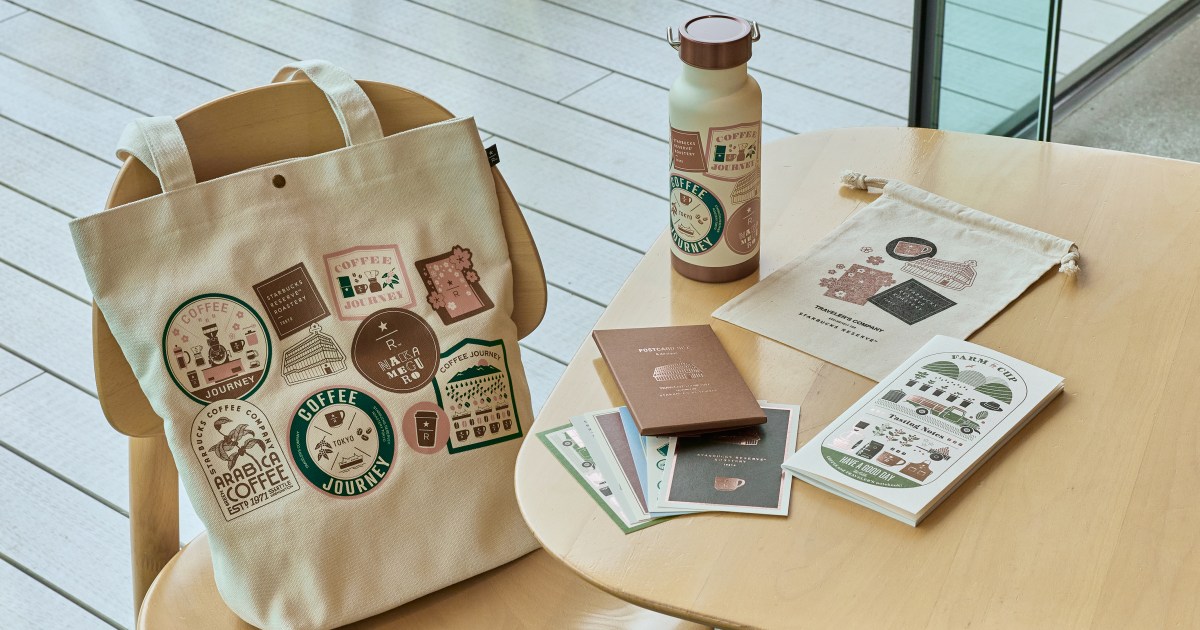
Starbucks Coffee Japan has long been good at tailoring its stores to local habits, and this platform move is a strong example. In recent months, the company has also been busy with lifestyle collaborations, including a stationery and goods collection with Traveler's Company covered by SoraNews24. That mix of coffee, travel, and everyday design is very on brand for Japan.



A great example: the platform store concept answers a very specific behaviour. Many passengers don’t want a long café break. They want a fast, reliable drink they can carry onto the train, and they want it without leaving the platform area. Japan has also seen other station-based convenience ideas, including a vending machine at a Shinkansen station that sells cups of ice on the platform. That sort of service might sound small, but when you’re travelling in summer, it makes complete sense.
Wild, isn’t it? A cup of coffee or ice at the right moment can change the whole feel of a trip. Not the destination, just the mood. And travel mood matters more than people admit.
What this means for the Shinkansen experience
The best part is how naturally this fits into Japanese rail culture. The Shinkansen is famous for being efficient, clean, and tightly timed, so a shop that serves passengers just before boarding is almost an extension of the train itself. It’s retail, yes, but it’s also part of the station choreography.
Here’s the catch: if you’re used to lingering in a café, this isn’t that kind of stop. These platform stores are about speed and flow. Expect the emphasis to be on quick orders, smooth payment, and moving customers along before the next train arrives. Reports from outlets such as Tetsudo Channel suggest that the platform model leans heavily towards order panels and cashless payment, which makes sense for a place where timing is everything.
My tip: if you’re planning to ride the Shinkansen from Nagoya or Kyoto, leave a small buffer before boarding. That way you can buy your coffee, find your carriage, and still enjoy the classic Japanese feeling of being early rather than stressed. Personally, that’s the whole point of station travel done well.
Why Japan fans should care about this tiny retail shift
For Japan fans, this story isn’t just about Starbucks. It’s about how local retail adapts to railway life, and how a global brand can become more Japanese by becoming more specific. The platform store idea is sharply focused, location-driven, and tied to real commuter behaviour. That makes it much more interesting than a normal café opening.
If you like watching how daily life changes in Japan, this is the kind of detail worth following. It shows how stations aren’t only transport spaces, they’re social spaces, shopping spaces, and now, increasingly, pre-boarding comfort zones. Compared with back home, where train travel can feel like something you endure, Japan keeps making it feel like part of the experience.
And if you’re learning Japanese, this is a nice reminder that vocabulary lives in context. Words like 駅 (eki, station) (station), ホーム (homu, platform) (platform), and 乗る (noru, to ride; to board) (to board) become easier when you attach them to a real scene. Picture the platform, hear the boarding call, hold the coffee cup. Suddenly the language sticks.
Frequently Asked Questions
When will the new platform Starbucks stores open?
The reported opening year is 2027 for the Nagoya and Kyoto platform locations.
Why are these stores being placed on Shinkansen platforms?
They’re designed for passengers who want to buy coffee right before boarding, without leaving the platform area.
Is this part of a bigger trend in Japan?
Yes. Japan keeps adding small, travel-friendly station services that make rail trips faster and more convenient.