
Overview
Deep in the Fuji Five Lakes region of Yamanashi, there's a hotel that's been catching sunrise light off Mount Fuji for decades, and it's about to get a new name tag alongside its old one. IHG has announced that Hotel Mount Fuji will be converted into a property under its Vignette Collection banner — the group's soft brand built for independent luxury and lifestyle hotels that don't want to lose their personality in a merger. For anyone who's driven past this place on the ridge above the lake and wondered what it actually is, here's the full picture: where it sits, what changes (and what doesn't), and how you'd actually go about staying there.
Where Exactly Does Hotel Mount Fuji Sit?
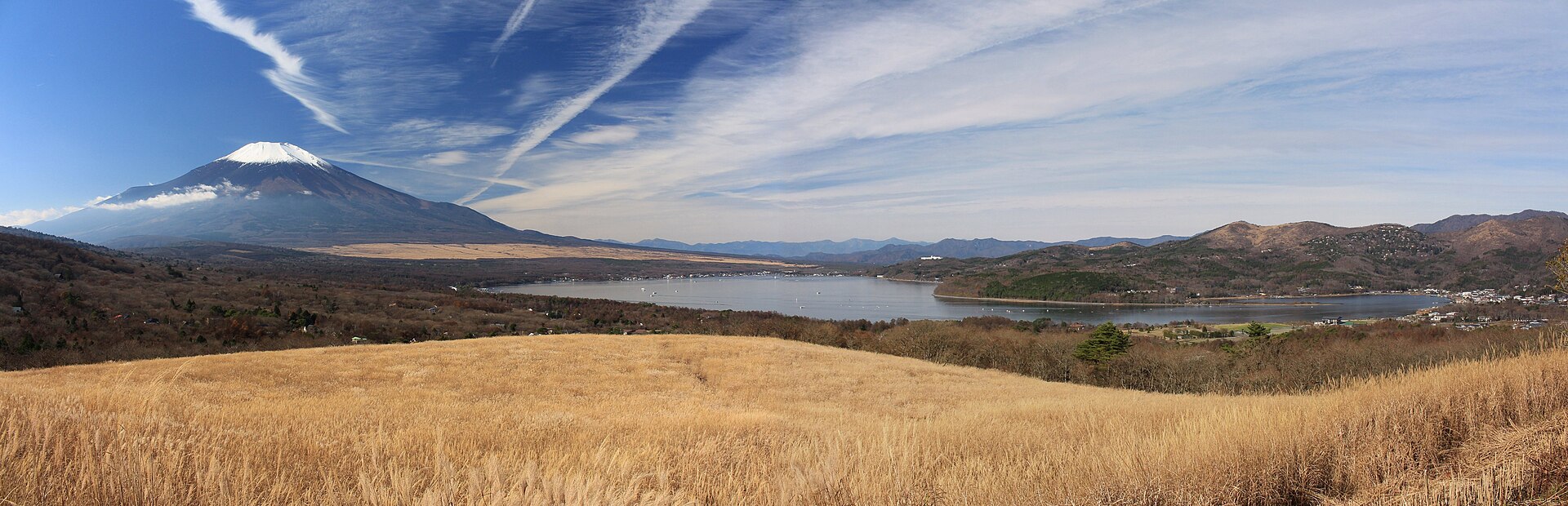
Here's something I'll admit: I used to mix this hotel up with the Kawaguchiko side of the lakes myself, and I'm apparently not alone — you'll still find write-ups online that place Hotel Mount Fuji near Lake Kawaguchi. It's an easy mistake in a region with five lakes that all seem to compete for the same reflection-of-Fuji photo. But the hotel actually sits atop Mount Odeyama, a low ridge overlooking Lake Yamanaka, the easternmost of the Fuji Five Lakes and, in my experience, the quieter one — fewer tour buses, more room to just sit and look at the mountain. From up on that ridge, the hotel gets an angle on Fuji that the lakeside spots below simply can't match, framed by pine forest with Yamanaka's water in the foreground.
What Joining Vignette Collection Actually Means
So what does it mean for a hotel like this to join Vignette Collection? IHG launched Vignette Collection back in 2021 specifically as a home for independent hotels — the ones with their own name, their own history, their own reason for existing — that want the backing of a global loyalty program and reservations network without getting flattened into a template. It's the opposite of what happens when a regional favorite gets rebranded into a big, anonymous chain sign. And that's the promise here: Hotel Mount Fuji is expected to keep its own identity, its own sense of place, and — most importantly — those Fuji views that make it what it is, rather than being remodeled into something interchangeable. The conversion also expands Vignette Collection's footprint in Japan, adding another property to a lineup that's been quietly growing since the brand's debut.
Inside the Hotel: Rooms, Views, and Character
The hotel itself has 150 rooms, which puts it at a nice in-between size — big enough to have real facilities, small enough that it doesn't feel like you're staying in a convention center. Because of its position on Mount Odeyama, a good number of those rooms face the mountain directly, and if you've ever stayed somewhere with a genuinely unobstructed Fuji view, you know it changes how you experience a stay — you find yourself checking the window before checking your phone in the morning. Under the Vignette Collection concept, that setting and character are meant to stay front and center rather than get standardized away, which is honestly the whole point of choosing a soft brand instead of a full rebrand.



Where to Experience It in Japan
If you want to see this for yourself, the practical route runs through Yamanashi Prefecture, a couple of hours west of Tokyo. Lake Yamanaka doesn't have its own train station the way Kawaguchiko does, so most travelers get there via Fujisan Station or Kawaguchiko Station and then a local bus around toward Yamanaka — it takes a bit more patience than the more touristed lakes, but that's kind of the appeal. Come in early morning if you can; that's usually when Fuji is clearest, before afternoon clouds build up over the peak.
- By train and bus: Shinjuku to Fujisan Station on the limited express, then a local bus toward Lake Yamanaka
- By car: roughly two hours from central Tokyo via the Chuo Expressway, with parking at the lakeside
- As a base: a quiet alternative to the busier Kawaguchiko strip if you're touring the wider Fuji Five Lakes area — 温泉 (onsen, hot spring) towns, ropeways, and mountain 蕎麦 (soba, buckwheat noodles) shops included
A Few Words Worth Learning Before You Go
One small side benefit of trips like this: the Fuji Five Lakes region is a great low-pressure place to practice a bit of Japanese vocabulary. 山 (yama, mountain) means mountain, 湖 (ko, lake) means lake, and onsen is the hot spring you'll absolutely want to visit after a day of sightseeing. Fuji-さん (san, honorific title (Mr./Mrs./polite suffix)) itself carries the honorific san, the same respectful marker you'd use for a person's name — a small reminder of how much reverence this mountain still commands. Even just recognizing those words on local signage adds a layer to the trip, and it's the kind of vocabulary that sticks because you're using it in the place it actually describes, not just in a textbook.
A Ridge That Keeps Its Own Name
Hotel Mount Fuji joining Vignette Collection isn't the kind of news that changes what's actually up on that ridge — the mountain isn't moving, the lake isn't moving, and by all accounts the hotel isn't losing what made it worth visiting in the first place. It's just a new door into a place that's been quietly doing its thing for years. You'll eventually find your own reason to make the trip out to Yamanaka's quieter side of Fuji.


