Overview: why Ginza still draws people in
Ginza sits in the middle of central Tokyo, between Yurakucho, Shimbashi, and Nihonbashi, and that location is a big part of its appeal. It is easy to reach, easy to explore on foot, and easy to turn into a full day out without needing to rush. For anyone putting together a Ginza guide, the district stands out because it combines luxury retail, high-end restaurants, design, culture, and the kind of urban walking that rewards slowing down and looking up now and then.


What makes Ginza especially interesting is that it does not feel like a single-purpose neighborhood. You can come for the stores, stay for the architecture and window displays, and then discover a side street, a gallery, or a café that changes the rhythm of the day. That mix is part of why Ginza remains such an important stop for visitors who want to experience Tokyo in a polished but still very walkable way. And if you are also interested in Ginza news, this district keeps finding new ways to stay current without losing its identity.
How to move through the district
Ginza is served by Ginza Station, Yurakucho Station, and Higashi-Ginza Station, which makes it one of those places where a little planning pays off. The area is compact enough to explore on foot, but the multiple stations make it flexible for arriving from different parts of Tokyo. If you are coming to experience the neighborhood properly, I would suggest giving yourself time to wander rather than treating it like a quick stop between errands.
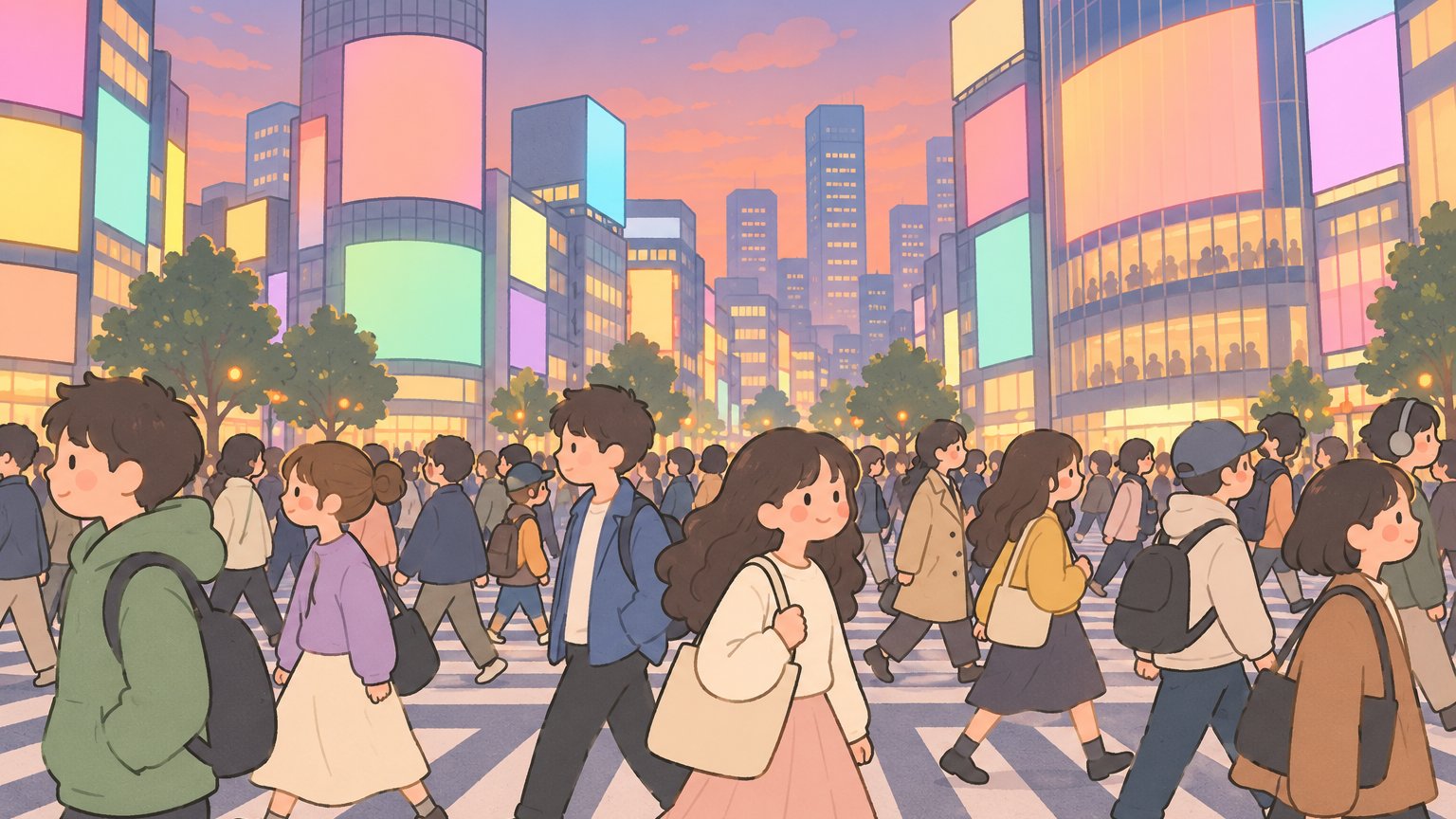
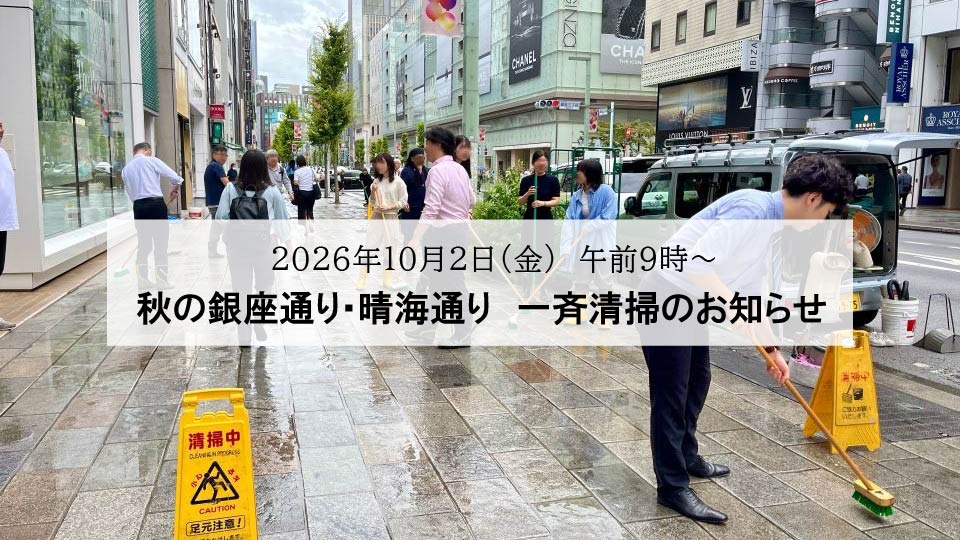
One of the most enjoyable parts of a visit is the simple act of walking. Chuo-dori, the district’s main boulevard, becomes a pedestrian zone on weekends and holidays, and that changes the whole feeling of the street. Cars disappear, the pace relaxes, and people can linger in front of storefronts and buildings without feeling hurried along. It is one of those small urban details that makes a big difference. Very Tokyo, in the best way.
- Arrive via Ginza Station for the heart of the district.
- Use Yurakucho Station if you want easy access from the western side.
- Use Higashi-Ginza Station for the eastern side and nearby culture spots.
- Plan a weekend or holiday visit if you want to enjoy the pedestrian atmosphere on Chuo-dori.
What Ginza is known for beyond shopping
Luxury retail is the obvious headline, but it is not the whole story. Ginza is also known for flagship stores, high-end restaurants, and a mix of design and culture that gives the district its distinctive feel. That balance matters. A place can be polished and still have personality, and Ginza manages that better than many districts do.
The storefronts matter, yes, but so does the sense of form and presentation around them. The neighborhood often feels curated without feeling frozen, which is a tricky thing to pull off. You will see people browsing, dining, meeting, and strolling all in the same few blocks. That easy overlap between shopping and everyday city movement is part of the charm.
And if you are studying the area as part of Ginza 2026 coverage, you will notice how the district’s identity keeps balancing tradition, retail, and contemporary culture rather neatly.
Landmarks that anchor the neighborhood
One of the best-known symbols of Ginza is the Wako building clock, which has stood as a district landmark since 1932. It is one of those details that quietly holds a place together. Even if you are not standing there to photograph it specifically, the clock helps define the visual memory of Ginza for many people.
This is also where a little Ginza exhibition coverage starts to make sense. The neighborhood has always had room for public-facing art, retail presentation, and carefully staged experiences, so it fits naturally when galleries and creative projects use the area as a stage.
And that sense of continuity matters. A district does not stay relevant just because it is famous. It stays relevant because it keeps hosting new layers of activity while preserving the visual markers people remember. Ginza does that especially well.
A closer look at the GAAAT exhibition in Ginza
In 2026, GAAAT is presenting an additional exhibition dedicated to Oogure Ito in Ginza, and the project focuses on Air Gear and Haijin Kigu. That makes the district interesting not only as a shopping and dining destination, but also as a place where pop culture and contemporary presentation can take center stage. For readers following art-related Ginza news, this is a neat example of how the district continues to host culture in visible, accessible ways.


The exhibition uses Metal-Canvas-Art, or MCA, a format that emphasizes material surface and weight. That detail is important, because it tells you this is not just about images on a wall. It is about texture, presence, and the physical impact of the work. Ginza’s polished surroundings give that kind of presentation an especially fitting backdrop, since the district already has a strong relationship with design, display, and visual precision.
- The exhibition is in Ginza.
- It is dedicated to Oogure Ito.
- It focuses on Air Gear and Haijin Kigu.
- It uses Metal-Canvas-Art, which highlights surface and weight.
Ginza kanji, learning cues, and why the name matters
If you are looking at Ginza for travel and language learning at the same time, the district is a useful little anchor point. A search for Ginza kanji often comes up because the place name appears constantly in maps, station signs, and guide material, while Ginza japanisch lernen is the kind of query that helps learners connect place names with real-world navigation. That is one of the easiest and most rewarding ways to study Japanese: tying vocabulary to something you can actually see on a trip.
For learners, Ginza is also a nice example of how Japanese place names live across multiple contexts at once. You will hear it in travel planning, see it in station names, and encounter it in cultural coverage. So even if you are not studying the neighborhood formally, it becomes part of your practical language environment. That kind of repetition helps more than people expect, honestly. Little by little, the city starts teaching you.
How to make the most of a visit
If you want to experience Ginza well, come with time and curiosity. The district rewards a slower pace. Walk the main streets, duck into side streets, notice the storefronts, and let the area’s mix of shopping, dining, and design unfold naturally. Weekends and holidays are especially good if you want to feel the pedestrian side of Chuo-dori, but even on a regular day, the neighborhood has a strong sense of flow.
And that is really the heart of Ginza. It is not just a place to buy things, and not just a place to eat well. It is a district where Tokyo’s urban polish, cultural presentation, and everyday movement all sit close together. Come hang out here a while, and you will see why it keeps pulling people back.
Frequently Asked Questions
Where is Ginza located in Tokyo?
Ginza is located between Yurakucho, Shimbashi, and Nihonbashi in central Tokyo.
Which stations serve Ginza?
Ginza is served by Ginza Station, Yurakucho Station, and Higashi-Ginza Station.
When does Chuo-dori become pedestrian-only?
Chuo-dori becomes a pedestrian zone on weekends and holidays.
What is the Wako building clock known for?
The Wako building clock has been a symbol of Ginza since 1932.
What is the GAAAT exhibition in Ginza about?
It is an additional exhibition dedicated to Oogure Ito, focusing on Air Gear and Haijin Kigu through Metal-Canvas-Art.
Sources
- GAAAT official exhibition information for Ginza
- Tokyo travel and district reference material on Ginza access and landmarks