Overview
Gou Shinjuku at 温泉 (onsen, hot spring; hot-spring bath) 旅館 (ryokan, traditional inn) Yuen Shinjuku is the sort of place that matters less as a headline and more as a change in texture of place. It is set to open in November 2026, on the ground floor of the hotel building in Shinjuku Gyoenmae, Tokyo, about a 7-minute walk from Shinjuku Gyoenmae Station. That location already tells you a lot: this is not a flashy standalone restaurant shouting for attention, but a dining room folded into a ryokan-style stay, where the pace is meant to slow down. The property itself is known for onsen, a hot-spring bath, and a calm Japanese atmosphere that appeals especially to couples, solo travelers, and repeat visitors who want a more settled Tokyo base.
The phrase 和食 (washoku, Japanese cuisine) matters here. It means Japanese cuisine in its classic, seasonal sense, and it usually implies more than a simple menu list; there is often an emphasis on timing, balance, and presentation. In a setting like this, the meal is not separate from the stay. It is part of it. That is the logic of the place. And if you are the sort of person who notices the body after a long day of kilometers and train clicks, that logic makes sense immediately. Ryokan Yuen Shinjuku and its onsen-driven atmosphere already set the frame, and Gou Shinjuku extends it into the dining room.
What is confirmed so far
The confirmed facts are straightforward. Gou Shinjuku is scheduled to open in November 2026. It will operate inside ONSEN RYOKAN Yuen Shinjuku, on the first floor or ground floor level of the building. The address area is Shinjuku Gyoenmae, which places it in central Tokyo but away from the most abrasive kind of Shinjuku energy. It is also described as being adult-oriented rather than just another hotel restaurant, which suggests a more deliberate dining experience, less casual, more attentive to atmosphere.
That matters because hotel restaurants can mean almost anything. Here the framing is more specific: ryokan-style hospitality, onsen access in the wider property, and a meal environment intended for adults who want calm rather than noise. The result should be useful for travelers who prefer an evening built around dinner, bath, and a room, rather than a race between districts. A restaurant like this is never only about the food. It is about sequence.
The setting inside Shinjuku
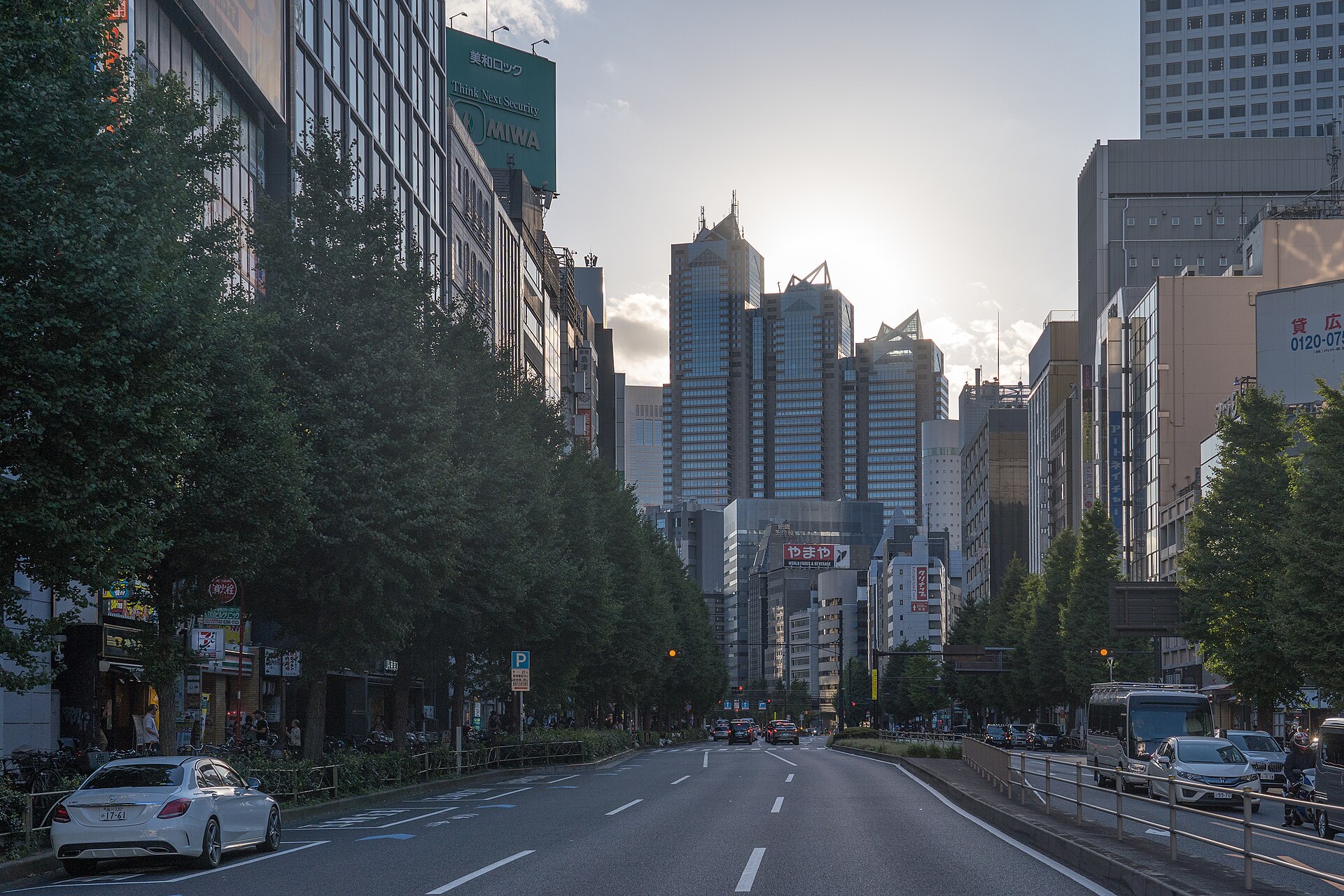
Shinjuku is usually discussed in terms of motion, density, and light. This property sits against that current, which is part of its appeal. Shinjuku Gyoenmae is close enough to feel central, yet it has a different rhythm. You can reach the hotel in roughly seven minutes on foot from the station, which is short enough to be practical with luggage and long enough to leave the most chaotic streets behind. That little walk is doing a lot of work. It resets your mind.
For visitors who care about staying somewhere that feels distinctly Japanese without becoming a theme park version of itself, this is a sensible fit. A ryokan is a traditional inn, and the word brings with it a set of expectations: tatami, careful service, quiet interiors, and a more restrained guest flow. Add an onsen, the hot-spring bath central to so much Japanese travel culture, and you get a property that is built around rest rather than mere occupancy. Gou Shinjuku inherits that context.
Why this restaurant matters
Gou Shinjuku matters because it gives the hotel a stronger culinary identity. A good ryokan-style stay is often remembered as a whole sequence of experiences, but food is the hinge. Dinner anchors the evening. It gives the building a center of gravity. If the restaurant is well matched to the property, then the guest does not need to leave the calm bubble the moment evening arrives. That is especially valuable in a city where everything else keeps moving.
There is also a wider travel logic here. Japan trips often reward places that combine lodging and dining in a way that feels coherent rather than opportunistic. This is where terms like おもてなし (omotenashi, hospitality; wholehearted service), the deeply attentive style of hospitality, become more than marketing fluff. When the setting, service, and meal all point in the same direction, the result is easier on the body and clearer in memory. No fuss. No excess. Just a room, a bath, and dinner that belongs there.
Who it is likely to suit
The property is described as appealing to couples, solo travelers, and repeat visitors, and that sounds right for a place like this. Couples can use it as a quieter base in a district that can otherwise feel relentless. Solo travelers get a setting where being alone feels normal, not awkward. Repeat visitors, meanwhile, often want places that remove friction. They already know the city. They do not need spectacle. They want something settled, a little lumpy in the good sense: grounded, tactile, and unhurried.
If you are trying to place this in your Japan planning, think of it as a stay-and-dine option rather than a destination restaurant in the usual sense. That distinction matters. Gou Shinjuku is part of a hotel ecosystem, not a detached culinary pilgrimage site. The value lies in how the meal connects to the rest of the property, especially the bath and the room.
What to expect from the dining experience
Because the restaurant is presented as washoku and adult-oriented, the likely draw is not novelty but refinement. Expect an emphasis on seasonality, measured pacing, and the kind of atmosphere that does not ask for attention every five seconds. In practical terms, that means it should be well suited to a stay where you are happy to slow down after check-in, drop the bag, and let the evening unfold without a second train ride.

For readers who like to collect useful Japanese vocabulary without pretending it is all the same, this is one of those contexts where 予約 (yoyaku, reservation; booking), a reservation, is worth keeping in mind from the start. A restaurant within a hotel can have limited seating, and a calmer venue often rewards advance planning. Another word that fits here is 懐石 (kaiseki, formal multi-course Japanese meal), the formal multi-course style of Japanese dining often associated with ryokan hospitality, though Gou Shinjuku has not been described with that exact label. Still, the wider category is relevant to how people may understand the place. And if you are looking up Gou Shinjuku / ONSEN RYOKAN Yuen Shinjuku kanji or trying to learn Japanese through travel vocabulary, this is the sort of setting where those terms actually connect to lived practice instead of flashcard trivia.
Related places and how to think about the area
ONSEN RYOKAN Yuen Shinjuku is the parent property to know, because the restaurant only makes sense in relation to it. The hotel has already been framed as a calm, traditional-leaning stay in Tokyo, with onsen and a ryokan-like atmosphere. That makes it comparable in spirit, if not in exact format, to other urban ryokan projects that bring a little stillness into dense districts. The hotel’s broader washoku direction also points to a property-level commitment rather than a one-off dining gimmick.
If you are deciding whether to visit, the question is simple: do you want a night that feels composed? If yes, this is the kind of place to watch. Shinjuku can be all noise and velocity, but this corner of it is built for the opposite. That contrast is the point.
How to experience it in Japan
The most direct way to experience Gou Shinjuku in Japan will be through a stay at ONSEN RYOKAN Yuen Shinjuku once the restaurant opens in November 2026. Since it is located in the hotel building itself, the practical experience is straightforward: arrive in Shinjuku Gyoenmae, walk the short distance from the station, check in, and dine without changing districts. For travelers who prefer dense urban convenience but do not want their evenings to feel crowded, that combination is unusually sensible.
If you are building a Tokyo itinerary around onsen, ryokan-style stays, and quiet food, keep this one in view. It sits at the intersection of those interests without overreaching. That is rare enough. More soon.
Frequently Asked Questions
When is Gou Shinjuku opening?
Gou Shinjuku is scheduled to open in November 2026.
Where is Gou Shinjuku located?
It is inside ONSEN RYOKAN Yuen Shinjuku in Shinjuku Gyoenmae, Tokyo, on the ground floor or first floor of the building.
How far is it from the station?
The venue is about a 7-minute walk from Shinjuku Gyoenmae Station.
What kind of place is ONSEN RYOKAN Yuen Shinjuku?
It is a ryokan-style hotel with onsen and a calm Japanese atmosphere, aimed especially at couples, solo travelers, and repeat visitors.
Is Gou Shinjuku meant to be a casual hotel restaurant?
No. It is described as an adult-oriented restaurant rather than just another hotel dining room.
Sources
- ONSEN RYOKAN Yuen Shinjuku official property information - https://www.uds-hotels.com/yuen/shinjuku/
- Gou Shinjuku opening announcement materials - https://www.uds-hotels.com/yuen/shinjuku/
- Tokyo tourism and station area guidance for Shinjuku Gyoenmae - https://www.gotokyo.org/en/destinations/central-tokyo/shinjuku/