At a Glance: Shops and Places
| Shop, place | Focus | Price level (rough) | Tip |
|---|---|---|---|
| Super Potato, Akihabara | Consoles, software, strategy guides, goods, plus a retro arcade on the 5th floor | high | Good for looking and playing, many people buy elsewhere |
| Surugaya, Akihabara | Used-goods chain with a large game stock | medium | Check prices here before you buy anywhere |
| Trader, Akihabara | Games from retro to new releases, strong on Sega | medium, display-case items expensive | Good mix of retro and new releases |
| BEEP, Akihabara | Retro computers and retro games (X68000, PC-88, MSX) | specialist stock, varies by item | New location since 6 June 2026, closed on Wednesdays |
| Hard Off, Hobby Off, Book Off | Used-goods chains, junk corners | varies: high in Akihabara, cheaper in the suburbs | Branches away from tourist districts |
| Mandarake Galaxy, Nakano Broadway | Retro games and oddities (WonderSwan, 3DO, PC-FX), vetted collectibles | medium to high | 2nd floor, building open daily 12:00 to 20:00 |
| Super Potato Otaroad, Osaka | Retro games for many consoles, strategy guides, goods | high | About 5 minutes from Nipponbashi Station |
| Game Detectives, Nipponbashi, Osaka | Retro specialist, pioneer in western Japan | not documented | Further south, in Nipponbashi 5-chome |
For orientation: all prices are in yen. Shop details are as of 2 November 2026. The price levels in the table are rough rankings from collector reports, not price lists.
The Retro Boom and What It Costs
Old games were nearly worthless in Japan until the late 1990s. The manager of Super Potato in Akihabara told the news agency AFP in September 2024 that around 70 to 80 percent of his customers are foreign tourists. A collector who has visited almost 100 shops describes a tourist premium in his review of 2025: popular titles, above all Pokémon games for Game Boy, Game Boy Advance and DS, became much more expensive. Famicom and Super Famicom prices changed little overall, although sought-after titles rose. It is dearest in big cities and tourist districts and cheaper in the countryside.
A sample by the same author from the end of December 2025 shows the spread, for copies in good to slightly damaged condition, usually boxed according to the author:
- Chrono Trigger (Super Famicom): Super Potato 10,200 yen, Book Off or Hard Off 3,300 yen.
- Super Metroid (Super Famicom): 20,000 yen at Super Potato and at Surugaya, 11,000 yen at Book Off or Hard Off.
- Pokémon Red (Game Boy): 38,300 yen at Super Potato, 13,000 yen at Surugaya, 11,000 yen at Book Off or Hard Off.
These figures come from a collector blog, not from the shops' price lists, and apply to these titles on those days. The pattern is still clear: Super Potato sits at the top, Surugaya in the middle, Book Off and Hard Off often at the bottom. In his September 2026 report the author writes that Super Potato often charges two to three times what other shops do. He calls Surugaya the best first stop for tourists. Your plan: compare first, then buy.
Akihabara
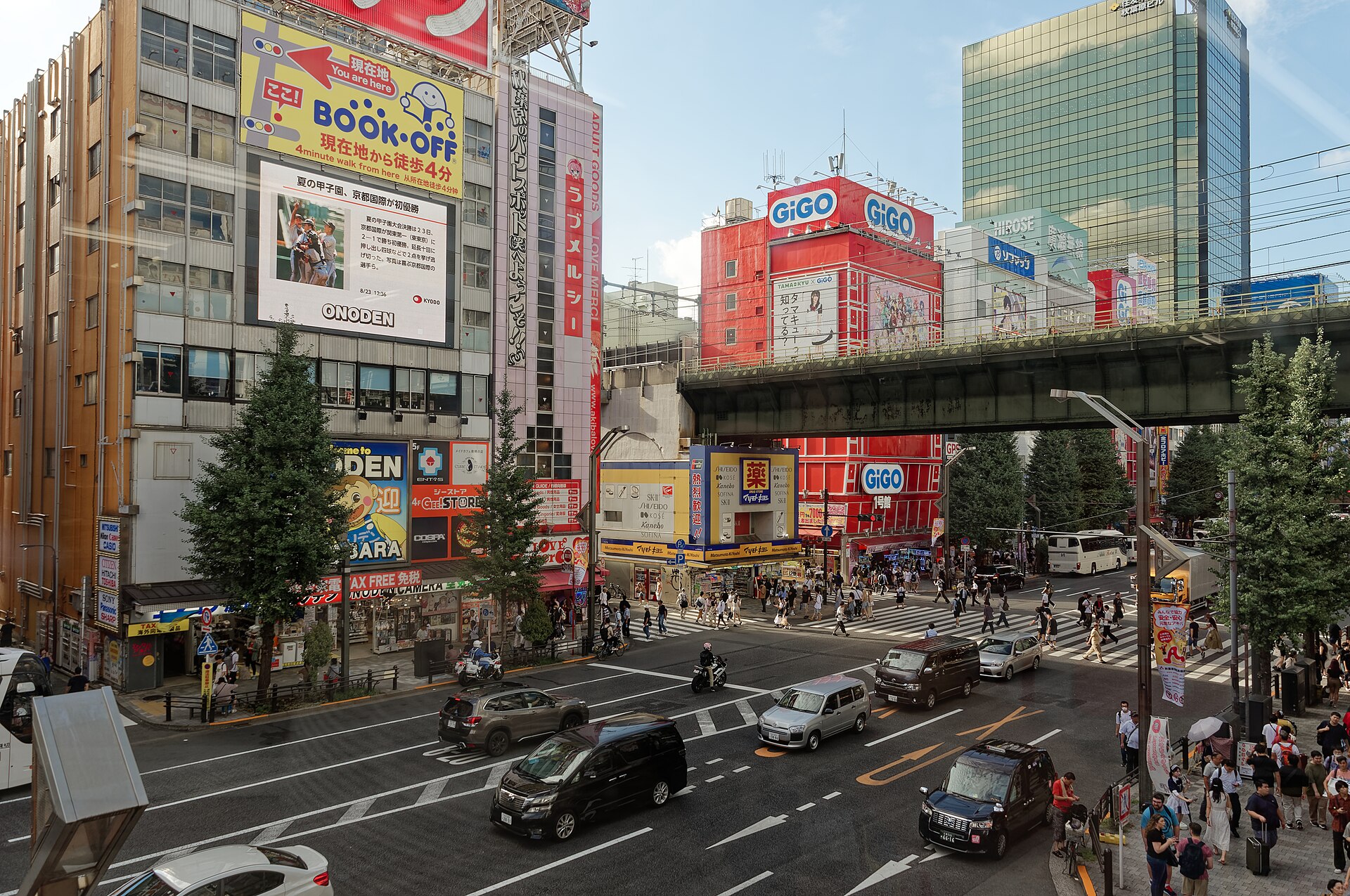
Akihabara is the easiest place to start because several shops are close together. Our Akihabara guide explains the district itself.
Super Potato occupies floors 3 to 5 of a building at Sotokanda 1-11-2, according to the operator. It sells consoles, software, strategy guides, snacks and goods, and the 5th floor has a retro arcade with a rest area. The shop is open daily from 11:00 to 20:00. It is worth seeing, but according to the reports above it is rarely the cheapest place.
Surugaya is a used-goods chain with several branches in Akihabara, including a games shop on the 2nd floor. The collector blog praises the large stock from central warehouses in Shizuoka and advises checking here first for rare items.
Trader sells games from retro to new releases and, according to the operator, has two branches in Akihabara. A 2023 guide mentions a strong Sega selection and many titles for Game Boy, SNES and PlayStation, with rare display-case items very expensive. One collector counts Trader among the best addresses in the district.
BEEP specialises in retro computers and retro games, known for Japanese PC games such as X68000, PC-88, MSX and PC-98. On 6 June 2026 it moved to the Seekbase Aki-Oka Manufacture complex under the tracks between Akihabara and Okachimachi. The operator lists Wednesday as the closing day. Some travel guides still list the old address, so check it on the shop's own site before you go.
Hard Off, Hobby Off and Book Off also have branches in Akihabara, and Hard Off and Hobby Off have a corner with junk goods. According to the collector blog, the branches in Akihabara, Ueno and Kichijoji are among the expensive ones. Book Off has raised game prices by about 20 to 30 percent, the author says, and bargains have become rare.
Nakano Broadway
The Nakano Broadway shopping complex is a five-minute walk from the north exit of JR Nakano Station. Mandarake runs many shops there across several floors, and the operator lists the building as open daily from 12:00 to 20:00. For games, head to the shop Galaxy on the 2nd floor. A guide from 2023 calls it the largest retro game shop in the building, known for oddities such as WonderSwan, 3DO and PC-FX.
On games, Mandarake is priced close to Surugaya according to the collector blog (September 2026). Goods are carefully vetted, which makes the shops a good choice for collectors. The building is broader than games: the floor plan also lists shops for cards, anime and cosplay.

Osaka: Den Den Town in Nipponbashi
Den Den Town is Osaka's electronics district with, according to the tourism bureau, more than 150 specialist shops along Sakaisuji Avenue and Otaroad. On Otaroad you find Super Potato (Nipponbashi 3-8-18, 1st floor) with retro games for many consoles, strategy guides, sweets and goods, about 5 minutes on foot from Nipponbashi Station. It is open daily, from 11:00 on weekdays and from 10:00 on weekends and holidays, and closes at 20:00.
Game Detectives at Nipponbashi 5-7-18 is a specialist. The Osaka tourism bureau called it a pioneer of retro game culture in western Japan in March 2025.
More Places and Arcades
According to the operator's site, Super Potato runs five shops: Akihabara, Otaroad, Nagoya, Ikebukuro (Game Yokocho) and Showacho in Osaka. Older guides list further branches, such as Taisho in Osaka, which one guide reports as closed at the end of 2021. The operator's site no longer lists them.
Outside the big cities, look at chains. The collector blog names Ojamakan and Otakara Soko for Kansai and Tokai, often cheaper than anywhere else for software, plus Kanteidan in Shizuoka and GEO. The catch with Kanteidan: missing boxes or parts are not flagged, according to the author, which keeps prices low.
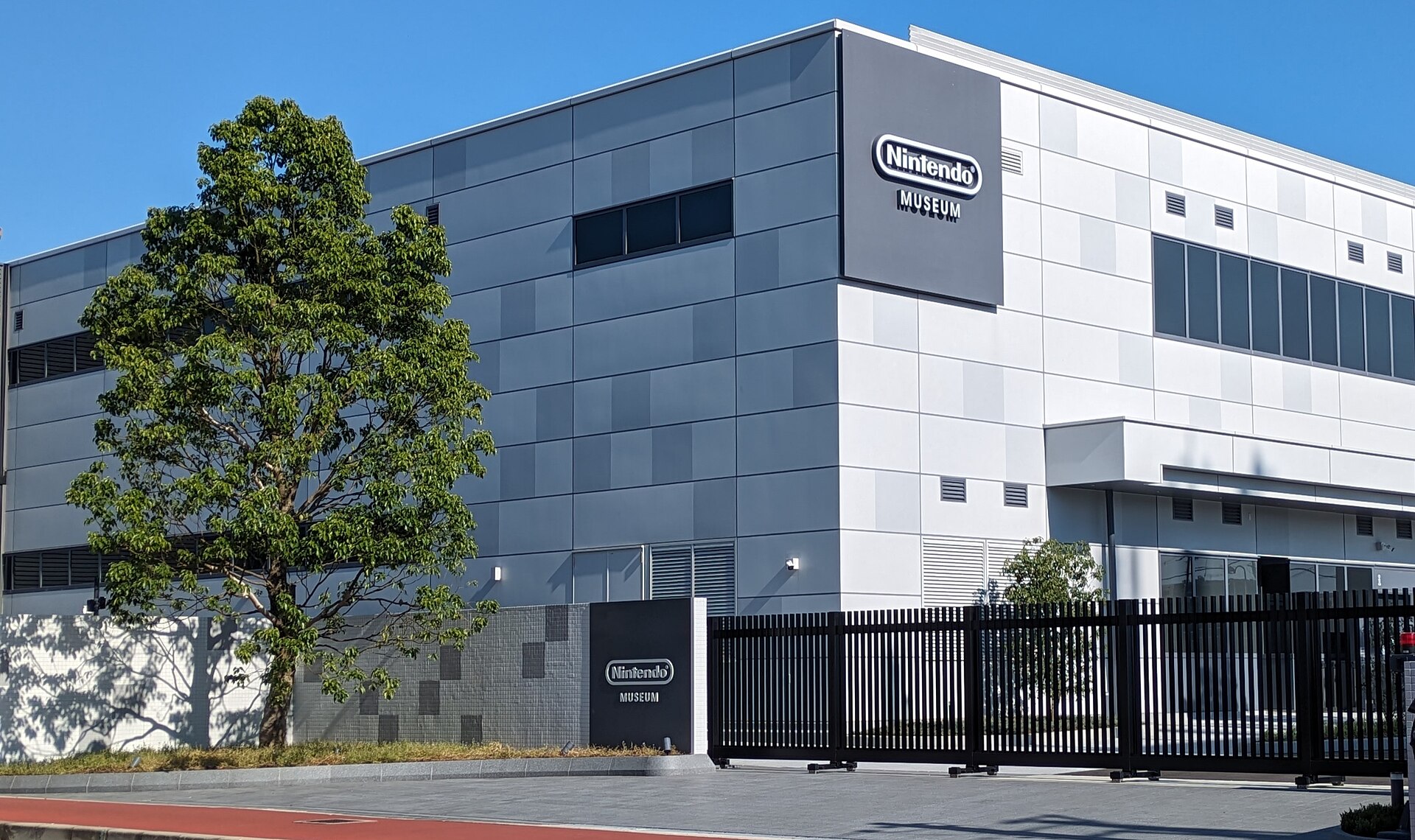
To play, there are retro arcades: the one on the 5th floor of Super Potato Akihabara and Game Center Mikado in Takadanobaba, which was reported as operating in February 2025. If you want to see Nintendo history rather than buy it, visit the Nintendo Museum in Uji.
Reading Price Tags and Condition
Price tags carry short condition terms. These are the ones you need:
- 中古 (chūko, used): the default for retro goods.
- 未開封 (mikaifū, unopened, still sealed).
- ジャンク (janku, junk, does not work).
- 動作確認済み (dōsa kakunin-zumi, function checked): tested.
- 箱 (hako, box) and 説明書 (setsumeisho, manual): if the tag says "without", the part is missing.
- ソフトのみ (sofuto nomi, game only): cartridge or disc alone.
Other words cover scratches, dirt and sun damage. With consoles, read exactly what is included: some listings leave out the power adapter and cables. The price examples above are for boxed copies. Loose cartridges for Famicom, Super Famicom and N64 are plentiful and comparatively cheap, according to the collector blog.

Watch the save battery, バックアップ電池 (bakkuappu denchi, backup battery). Super Famicom cartridges with save memory contain a CR2032 coin cell. When it is empty, save files are lost. Ask in the shop whether the battery has been checked if you want a game with a save slot.
Paying, Haggling and Tax-Free
Small retro and import shops often take cash only or set a minimum for cards, while larger chains mostly accept cards. Haggling is not customary in Japanese shops, with exceptions such as flea markets. The price on the tag is the price.
For tax-free shopping the new procedure applies from 1 November 2026: you pay the price including tax and get the tax back once customs confirms at departure that the goods leave with you. The confirmation must happen within 90 days of purchase, and the minimum purchase is 5,000 yen before tax per shop and day. All steps are in our tax-free guide. For retro shops that means:
- Not every shop takes part. Look for tax-free signs, the Japanese word is 免税 (menzei, tax-free). Larger chains are most likely to be ready, according to a guide from October 2026. In Den Den Town, tax-free is usually offered by chains such as Joshin, BIC Camera and Edion and typically not by small shops, according to the tourism bureau.
- Whether a shop sells used goods tax-free is not stated in the authority's sources. Ask before you pay.
- Do not unpack purchases to play with them. According to our tax-free guide, customs cannot confirm used or consumed goods at departure.
- If you post the goods home yourself, they have not been eligible for a refund since 1 April 2025.
Tech: What Visitors from Europe Need to Know
A ファミコン (Famikon) is the Japanese Family Computer, the counterpart of the Western NES. Its cartridges have 60 contacts and those of the NES have 72, so they do not fit the Western console. The first Famicom outputs the picture only through an RF output, that is an antenna cable. Work out before you buy how to connect it to your TV.

- Region lock: The Super Famicom and the SNES have lockout chips in console and cartridge. They separate the European version from the Japanese one, while Japanese and North American consoles share the same lock. North American cartridges are also shaped differently. A European SNES therefore does not take Japanese cartridges without an adapter, while a Japanese Super Famicom plays Japanese cartridges.
- Video standard: Japan uses NTSC at 60 Hz, Europe uses PAL at 50 Hz. Check your TV's manual to see whether it displays the signal of a Japanese console.
- Cables: Cables for NTSC consoles such as the Super Famicom and for the PAL SNES are wired differently. Buy a cable made for your model and never use an NTSC cable on a PAL console, as it can damage the equipment.
- Mains voltage: Japan runs on 100 volts, Europe on 230. A power adapter marked 100 volts is not built for a European socket. Read the rating plate before plugging in and use a replacement adapter or a transformer if in doubt.
- Handhelds: Game Boy, Game Boy Color and Game Boy Advance are region-free, so Japanese cartridges run on devices from other regions. When you trade Pokémon between Japanese and foreign-language games of the early generations, data can be corrupted.
- Locked: The Nintendo 3DS family is region-locked, as are PlayStation 1 and 2, GameCube and Wii. The Nintendo Switch is region-free apart from the Chinese version.
More on the history of handhelds is in our article Nintendo Game Boy 1989.
Heading Home: Luggage, Customs and Shipping
Luggage: Power banks and loose lithium batteries belong in your hand luggage. Since 24 April 2026 new power bank rules apply at JAL, so check your airline's page. Take cartridges and discs in your hand luggage and pad them with clothes.
Customs: These limits apply to goods you carry in person. Rules differ by country, so check your own customs authority. Examples:
- European Union: Travellers arriving by air or sea from outside the EU may bring other goods worth up to 430 euros, and some EU countries apply a lower limit of 150 euros for travellers under 15. Germany and Austria use the 430 euro figure. In Germany the relevant value includes foreign sales tax, limits of several people cannot be added, and above the limit goods worth up to 700 euros per traveller are taxed at a flat 17.5 percent and declared orally.
- Switzerland: Since 1 January 2025 the value threshold for VAT is 150 francs. The QuickZoll app helps with declaring.
A single cartridge for 38,300 yen is already a good share of a 430 euro allowance. Keep receipts in case customs asks for the value. In Germany, luggage you send ahead or check in as freight does not count as carried with you.
Shipping: Japan Post accepts lithium batteries only when installed in devices and only under conditions, power banks are excluded, and the rules depend on the destination country. In Germany the 150 euro customs exemption for consignments from non-EU countries ended on 1 July 2026. German customs lists a flat duty of 3 euros per item category for online orders, and since 1 November 2026 a handling fee of 2 euros per goods item. German customs names these rules for distance sales to consumers. How a parcel you send to yourself is treated is not expressly regulated, so ask the post office or customs. Import VAT comes on top, 19 percent in Germany.
Frequently Asked Questions
Where is the best place to buy retro games in Tokyo?
Start in Akihabara at Surugaya and Trader, look into Super Potato and then go to Mandarake Galaxy in Nakano Broadway. Compare prices: collector reports say Super Potato is usually the most expensive.
Are retro games still cheap in Japan?
Not everywhere. Popular titles have become much dearer in tourist districts, and one collector sees lower prices in the countryside and at chains outside the big cities. A sample from the end of December 2025 shows Chrono Trigger at 10,200 yen at Super Potato against 3,300 yen at Book Off or Hard Off.
Do Japanese games run on my European console?
On Game Boy, Game Boy Color, Game Boy Advance and Nintendo Switch, yes. The 3DS, PlayStation 1 and 2, GameCube and Wii are region-locked. A European SNES does not take Japanese cartridges without an adapter either, and Famicom cartridges do not fit the NES.
Do I need a transformer for Japanese consoles?
Japan runs on 100 volts, Europe on 230. If the adapter says only 100 volts, it is not built for a European socket. Use a replacement adapter or a transformer.
How much can I bring home duty-free?
Goods worth 430 euros when entering the EU by air, for example Germany and Austria. In Switzerland the VAT value threshold is 150 francs. Anything above must be declared to customs.
Sources
- Operator sites (Japanese): Super Potato, Akihabara, Otaroad, Surugaya, BEEP, Trader, Mandarake Nakano
- GameBusiness.jp: BEEP moves, 6 June 2026 (Japanese): gamebusiness.jp
- TokyoCalling: Tokyo Retro Video Game Guide, updated 2 October 2026: tokyocalling.me
- Time Extension: Retro Game Shopping in Tokyo, 2023, and Mikado arcade, 27 February 2025: Guide, Mikado
- The Japan Hobbyist, January, February and September 2026: Prices, 2025 in review, Shops
- AFP: Japan is next level for retro game collectors, 4 September 2024: thedailystar.net
- Osaka tourism bureau: Den Den Town, and Discover Osaka: Nipponbashi, March 2025: Den Den Town, Nipponbashi
- Source Gaming: How to Buy Retro Japanese Games, glossary: sourcegaming.info
- Dampfkraft: Replacing a Super Famicom Save Battery: dampfkraft.com
- JNTO: Shopping Q and A, tax-free from 1 November 2026 and parcels from 1 April 2025: Q and A, Tax-free, Parcels
- Japan Tourism Agency: Tax-free shopping for travellers: mlit.go.jp
- FamiWiki: Family Computer and NES compared: famiwiki.net
- Wikipedia: NES, SNES, region lock and video standard, Regional lockout
- RetroRGB: Super Nintendo and Super Famicom, cables: retrorgb.com
- Nintendo Support: region lock of the 3DS family: nintendo.com
- Bulbapedia: Software region: bulbapedia.bulbagarden.net
- JNTO: Plug and Electricity: japan.travel
- Your Europe: Carrying goods into the EU
- German customs (German): allowances, exceeding, 150 euro exemption ends, handling fee
- Austrian Ministry of Finance and Swiss BAZG (German): Austria, Switzerland
- Japan Post and JAL: Items that cannot be sent, Notice on mobile batteries, 24 April 2026
- Wikimedia Commons: photos Asanagi (CC0), Clemens Vasters (CC BY 2.0), Antonio Tajuelo (CC BY 2.0), Evan-Amos (public domain), IQRemix (CC BY-SA 2.0): commons.wikimedia.org