Overview
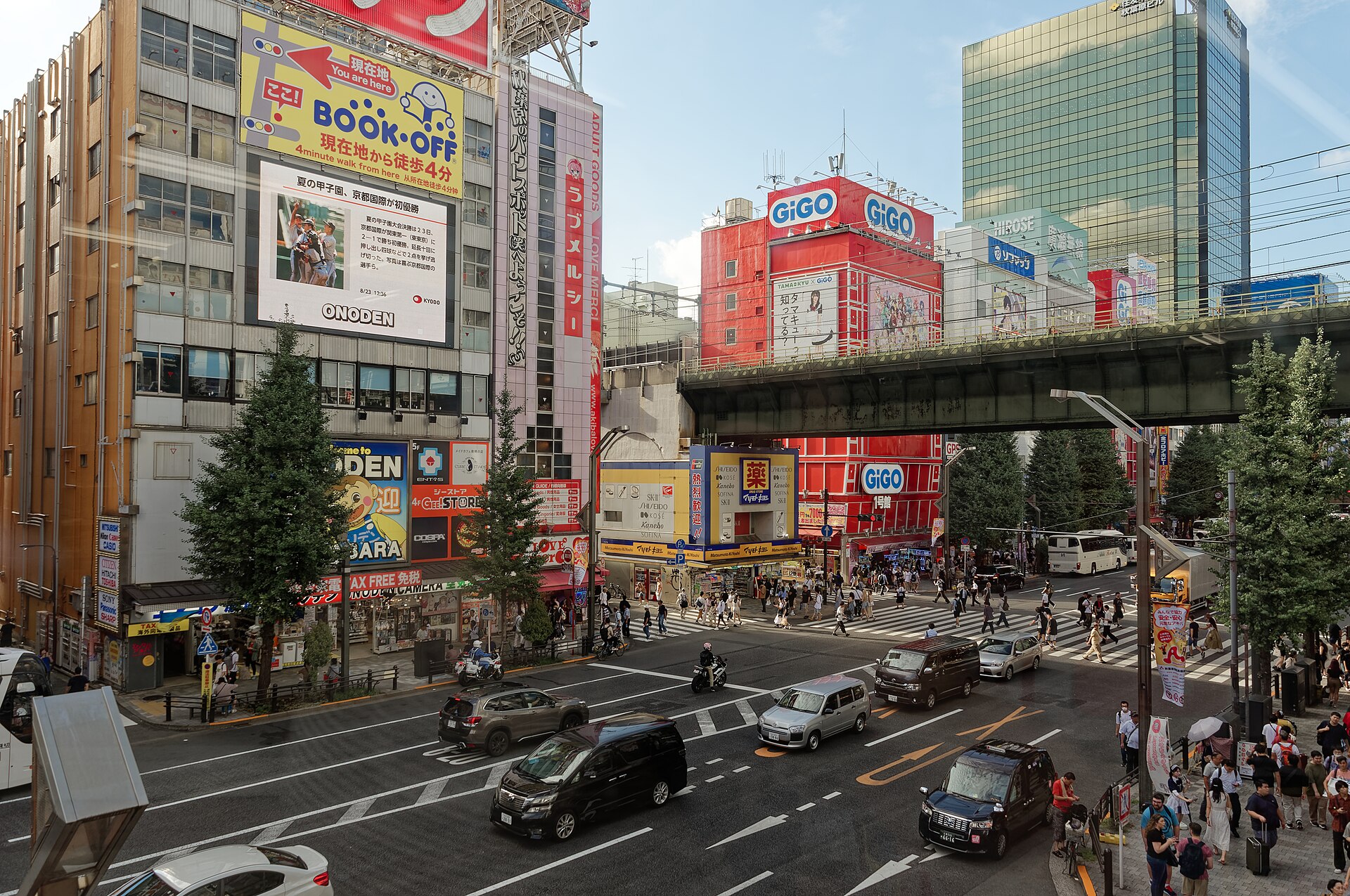
Akihabara sits in Chiyoda, Tokyo, and its story is a very Japanese kind of transformation: a place built around recovery, specialist shops, and local know-how, then reshaped by new tastes, new visitors, and new forms of leisure. It began as a postwar electronics and radio-parts hub, grew through the 1950s and 1960s around components and household appliances, and later became known in the 1980s and 1990s for computer hardware, model kits, bargain goods, and all sorts of obscure electronics gear. Then, since the late 1990s, the district has kept evolving toward anime merchandise, gaming culture, idol events, maid cafes, and tourism. If you are trying to understand Altes Akihabara im Wandel, this is the tension to watch: the old specialist district still lives in fragments, but the district around it keeps moving on.



The old atmosphere is easier to sense in the smaller streets than on the main thoroughfares. The older Akihabara had small specialist shops, narrow alleys, low-rise buildings, handwritten signage, and a rougher, more local street feel than the modern district. And that older fabric is still what many people are looking for when they go wandering beyond the bright storefronts. It is also why the area has become a kind of living case study for change in Tokyo… how a district can keep its identity while shedding some of the details that made it feel so specific in the first place.
From radio parts to a full urban subculture
Akihabara Station itself has existed since 1890, and the area around it later became a postwar transport and electronics hub. That role helped shape everything that followed. In the decades after the war, the district became closely associated with radio parts, components, and household appliances, the sort of place where people came with a purpose rather than for a casual stroll. By the 1980s and 1990s, that specialist energy had shifted toward computer hardware and all kinds of niche gear, which is one reason Akihabara developed such a strong reputation among hobbyists. It was not just a shopping district. It was a place where enthusiasm had shelves.
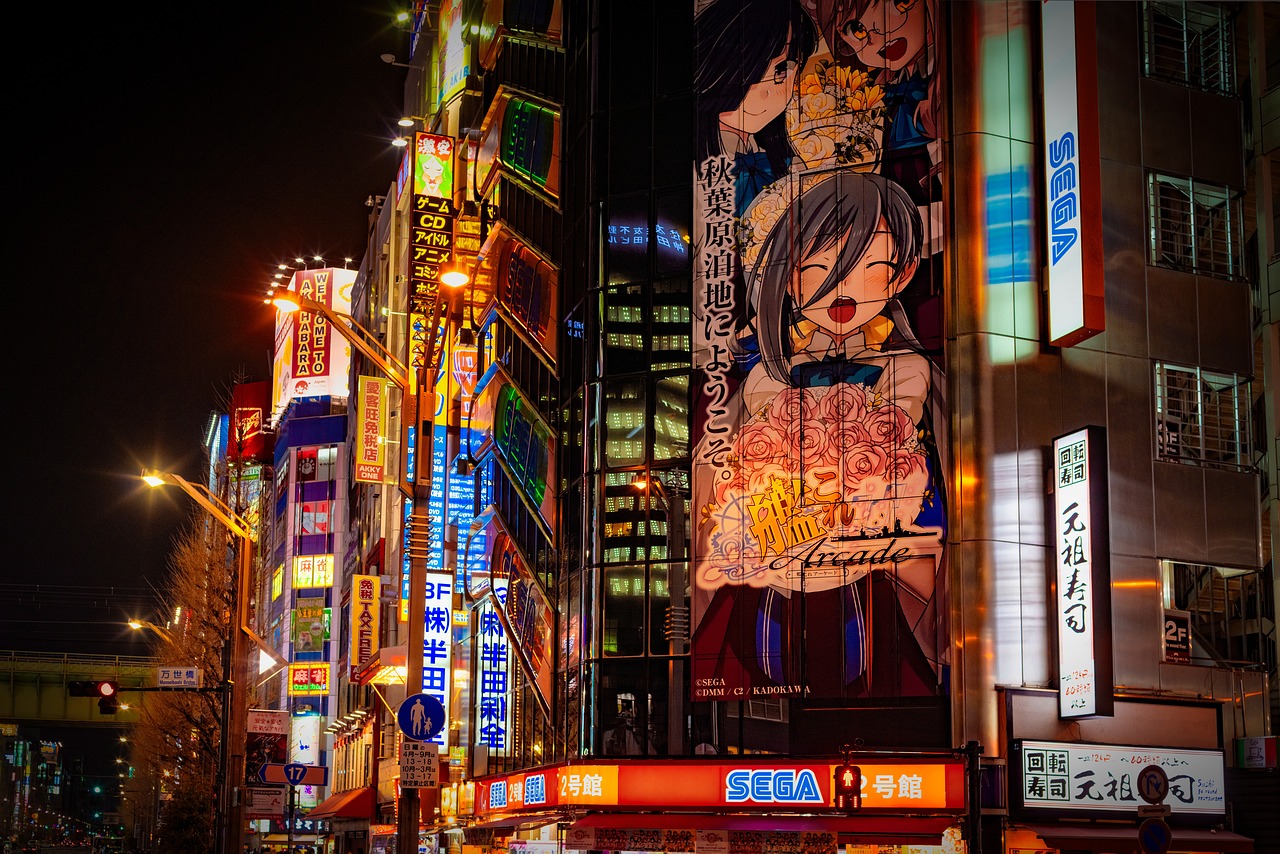
And then the cultural center of gravity moved again. The late-1990s shift toward オタク (otaku, a devoted fan, especially of anime or games) culture brought a different kind of visitor and a different street life, one centered on anime goods, games, character cafes, and themed entertainment. That change made Akihabara more visible to travelers, especially those interested in manga, anime, and subculture, but it also changed the feel of the place. The district became more polished in some areas, more commercial in others, and less like the old electronics maze many longtime fans still remember. If you are studying the district through a Japan travel lens, this is where the phrase Old Akihabara Before It Disappeared starts to make emotional sense, even when the city is still very much alive and changing.
What the older streets felt like
The old Akihabara street scene was not grand, and that is part of its charm. It was defined by compact specialist stores, back alleys, modest buildings, and signage that often felt handmade rather than branded. The overall impression was rough around the edges, but in a good way, with the sort of lived-in energy that comes from years of daily use. You could feel the district's focus in the way the streets worked: practical, dense, and built for people chasing a specific item rather than a polished leisure experience.
That older character still matters because it helps explain why people get nostalgic about Akihabara in the first place. The district did not become famous by accident; it became famous because it was useful, affordable, and deeply specialized. When that kind of urban texture starts to disappear, it is not only buildings that vanish, but also the habits of shopping, browsing, and conversation that grew around them. And yes, that includes the little discoveries that make a walk memorable, the kind of hidden detail that rewards patience. The Japanese idea of おもてなし (omotenashi, hospitality; thoughtful customer care), meaning thoughtful hospitality, is not the main story here, but you can still see it in the way certain shops and venues keep welcoming visitors with careful displays, clear organization, and an effort to make curiosity feel easy.
Where the modern district took over
Modern Akihabara is not a replacement so much as a layer. The main street now draws huge numbers of visitors, with millions coming annually in 2023, and the district is served by JR Yamanote, JR Keihin-Tohoku, JR Chuo-Sobu, the Tsukuba Express, and the Tokyo Metro Hibiya Line. It is also very close to Tokyo Station, about two Yamanote Line stops away and roughly four minutes in transit, which helps explain why it became so accessible for both residents and travelers. That convenience helped turn Akihabara into one of Tokyo's easiest districts to drop into for a few hours of browsing or a full afternoon of wandering.
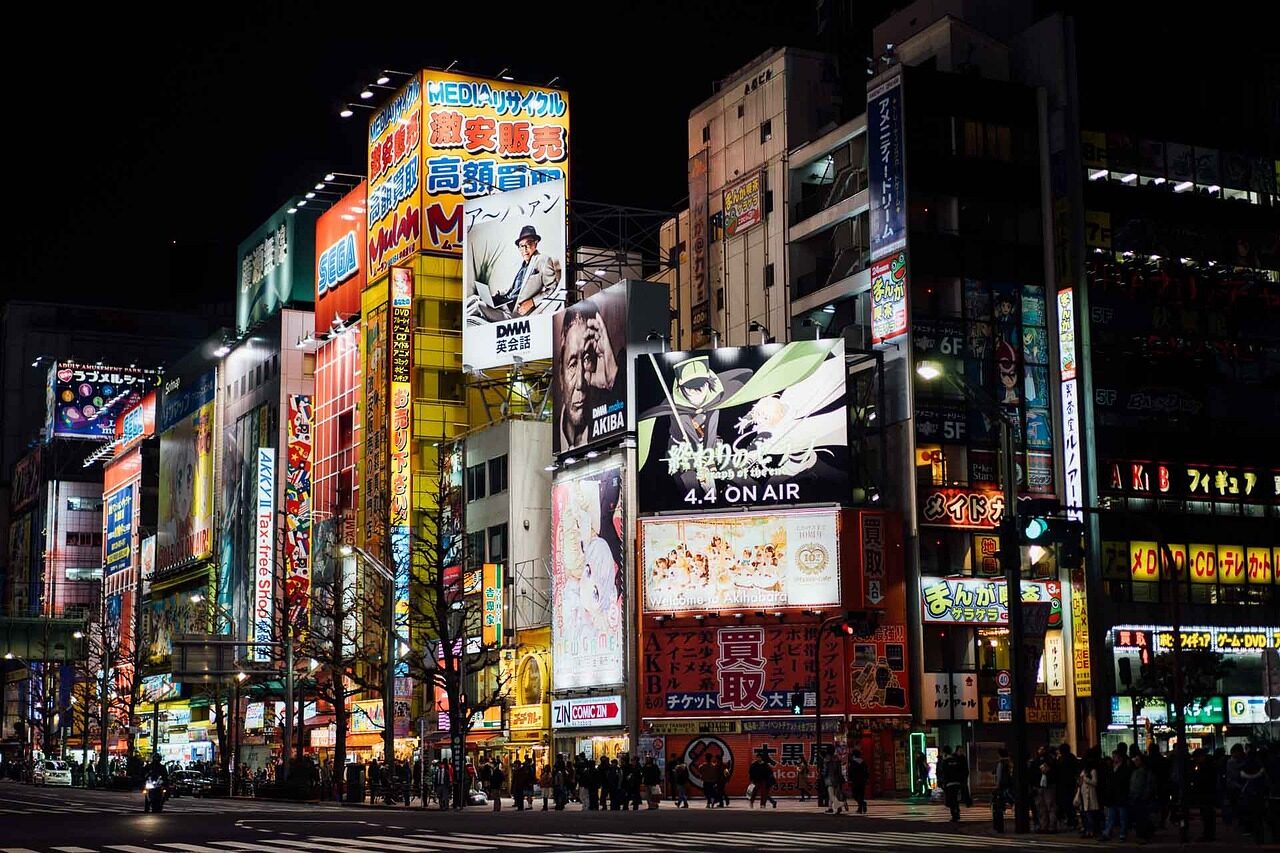
Today, you will still find famous anchor names and familiar attractions such as Super Potato, Yodobashi-Akiba, and maid cafes. These are part of what makes the district feel so distinct to visitors, but they also show how far the area has moved from its early electronics identity. If you are building an Altes Akihabara im Wandel guide, it helps to think of the district in layers: old electronics, specialist retail, otaku culture, then mainstream tourism. Each layer is still present in some form, even if they do not all dominate the same street.
What is being lost in the back streets
One of the most important stories in Akihabara right now is not the flashy main street. It is the quieter back streets east of the Yamanote Line, where smaller, older spaces are said to be under pressure from rising property prices and redevelopment. This pressure is often described as a threat to the older parts of the district, and some observers warn that these back-street areas may not survive in their current form. That said, reports about exactly how fast or how completely these spaces will disappear should be treated carefully, because the situation changes from building to building and block to block. In other words, the warning is real, but the pace is not simple.
One visible example of change is the rebuilt Radio Kaikan, which replaced the original building after it was demolished in 2011 and was completed by 2014. That project captures the district's broader pattern very neatly: familiar names remain, but the physical fabric is renewed, replaced, and reinterpreted. This is why the phrase kanji comes up in some traveler searches, and if you see Old Akihabara Is Disappearing – A Nostalgic Nerd's Walk Through a Changing District, it usually points to that exact feeling of a city block slipping from memory into something newer.



How to experience Akihabara now
If you want to experience Akihabara as it exists today, the best approach is slow and slightly off the main path. Start with the major streets if you want the full energy of the district, then slip into side lanes to catch the smaller-scale texture that still survives. That is where the older spirit is easiest to notice, even if only in fragments: narrow passages, older storefronts, specialist sellers, and the kind of shopfront details that reward a careful look. A 予約 (yoyaku, reservation; booking), meaning a reservation, is not usually necessary for simple wandering, but it can matter for certain themed cafes or busy events, especially when tourism traffic is heavy.
If you are interested in japanisch lernen, Akihabara also gives you a useful real-world vocabulary lesson. You will see otaku, meaning a devoted fan community; 家電 (kaden, home appliances), meaning household appliances; 電子 (denshi, electronics; electronic), meaning electronics; and 開店 (kaiten, opening of a shop; business opening), meaning opening or operation, in the way shops announce hours and services. Those words are part of the district's history as much as its present. And if you are searching specifically for Altes Akihabara im Wandel kanji, it is worth remembering that the district's visual language is not just written signs but also the changing architecture, narrow passages, and storefront density that tell the story even when you cannot read every label.
For a broader sense of the district's old atmosphere and how it compares with today, it can also help to read around the subject. A good companion piece is Übernachten in Akihabara: Gute Idee oder Fehler?, especially if you are thinking about staying in the area and want to understand its nighttime rhythm, convenience, and tradeoffs. Akihabara works well as a base for exploring Tokyo, but it also rewards a slower look at the streets themselves.
Why this district still matters
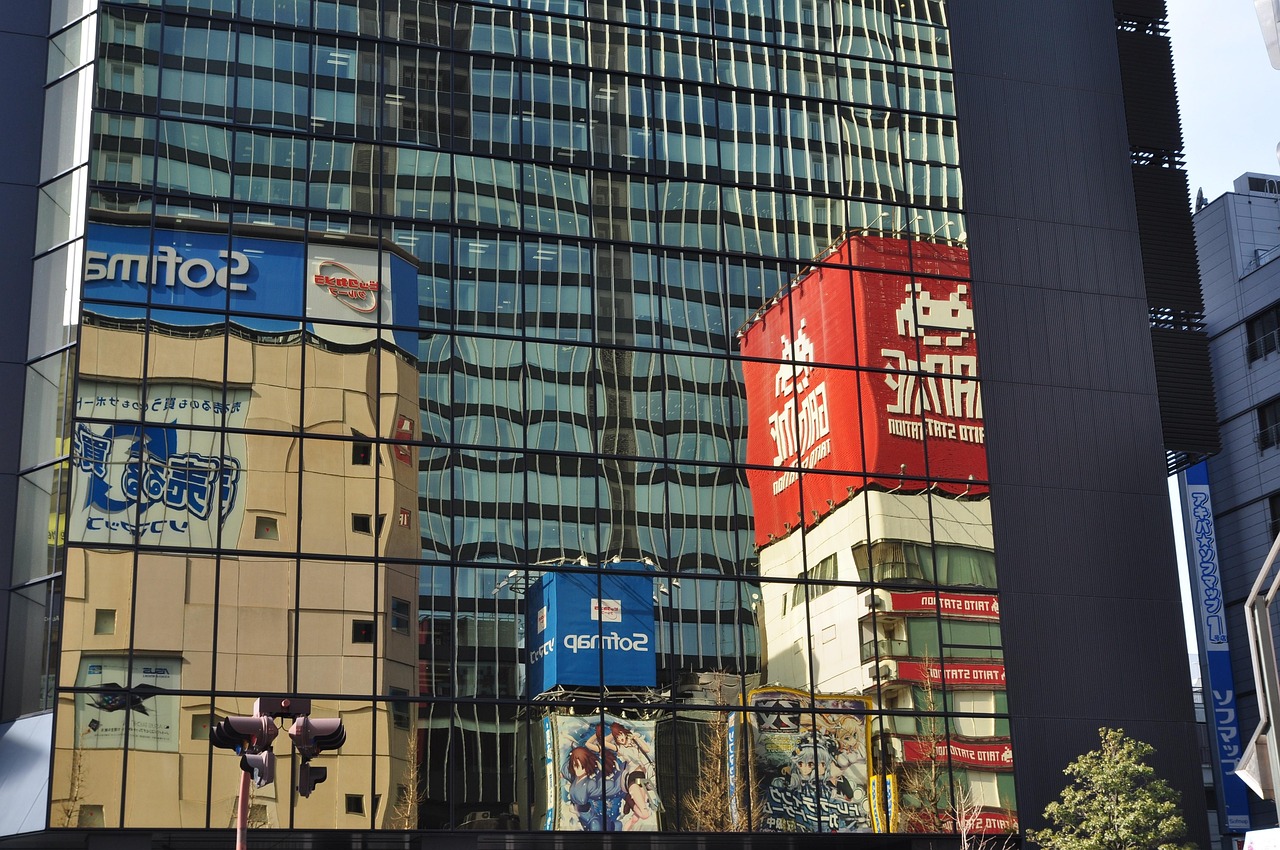
Akihabara matters because it shows how Tokyo changes without ever fully erasing what came before. You can still trace the district's electronics roots, its rise as a specialist market, and its later transformation into an otaku and tourism destination. You can also still find bits of the older street life in quieter corners, which is exactly why people keep returning. The district is not a museum, and that is the point. It is a working neighborhood, a commercial machine, and a memory space all at once.
So if you are trying to understand the old Akihabara in the middle of all this movement, do not just look for the famous stores. Look for the small turns in the street, the old building lines, the handmade signs, and the shops that still feel like they belong to another era. That is where the story lives. And from there, you'll eventually find your own Japan… one alley, one storefront, one careful look at a time.
Frequently Asked Questions
What was old Akihabara known for?
Old Akihabara was known for small specialist shops, narrow alleys, low-rise buildings, handwritten signage, and a rougher local street atmosphere.
How did Akihabara change over time?
It shifted from a postwar electronics and radio-parts hub into a district known first for computer hardware and niche goods, then for anime merchandise, gaming culture, idol events, maid cafes, and tourism.
Where can I still feel the older Akihabara atmosphere?
The quieter back streets, especially east of the Yamanote Line, are where the older character is most often described, though redevelopment is affecting those areas too.
How do I get to Akihabara?
Akihabara is served by JR Yamanote, JR Keihin-Tohoku, JR Chuo-Sobu, the Tsukuba Express, and the Tokyo Metro Hibiya Line, and it is about two Yamanote Line stops from Tokyo Station.
Sources
- JR East Akihabara Station information - https://www.jreast.co.jp
- Tokyo Metro Hibiya Line information - https://www.tokyometro.jp
- Tsukuba Express station information - https://www.mir.co.jp
- Yodobashi Akiba official site - https://www.yodobashi.com
- Super Potato official site - https://www.superpotato.com
- Akihabara tourism and area information - https://www.gotokyo.org