

Overview
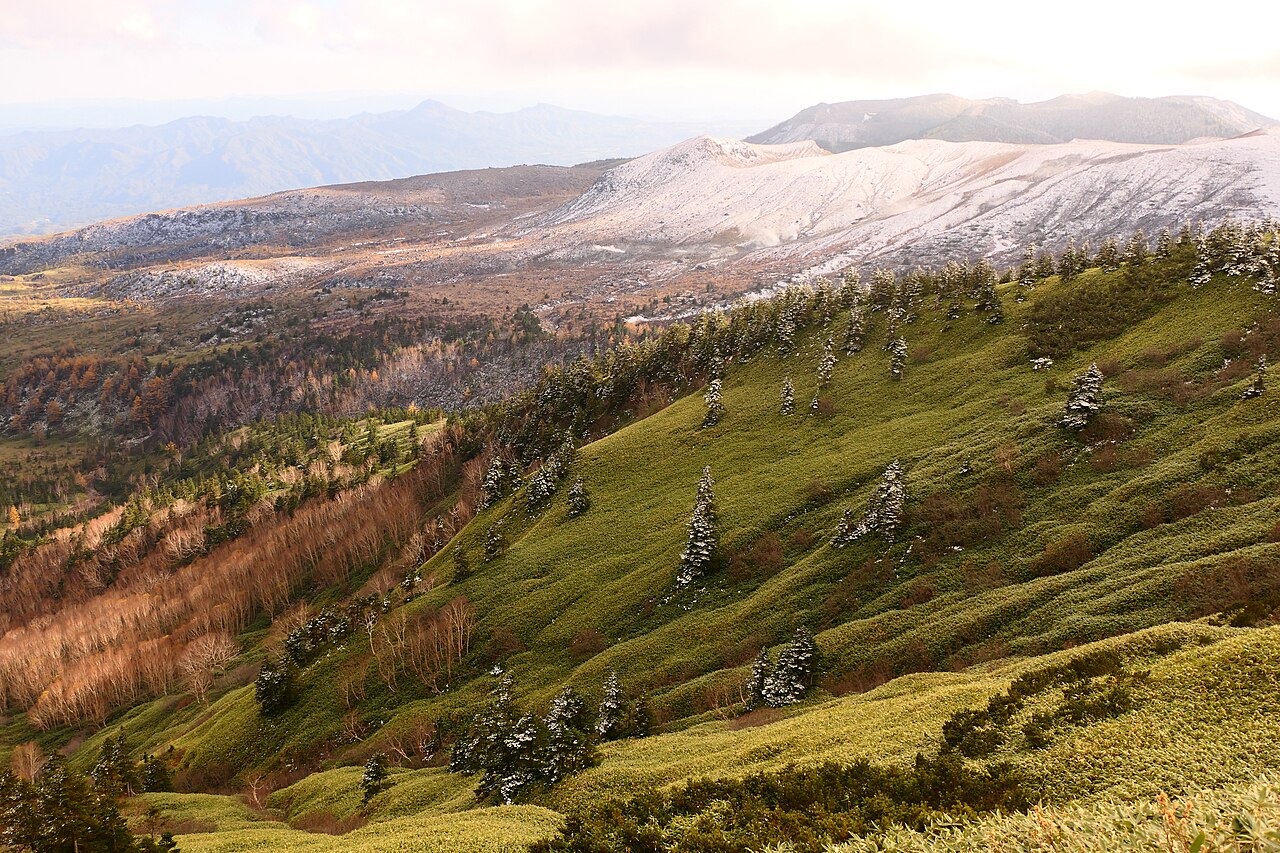
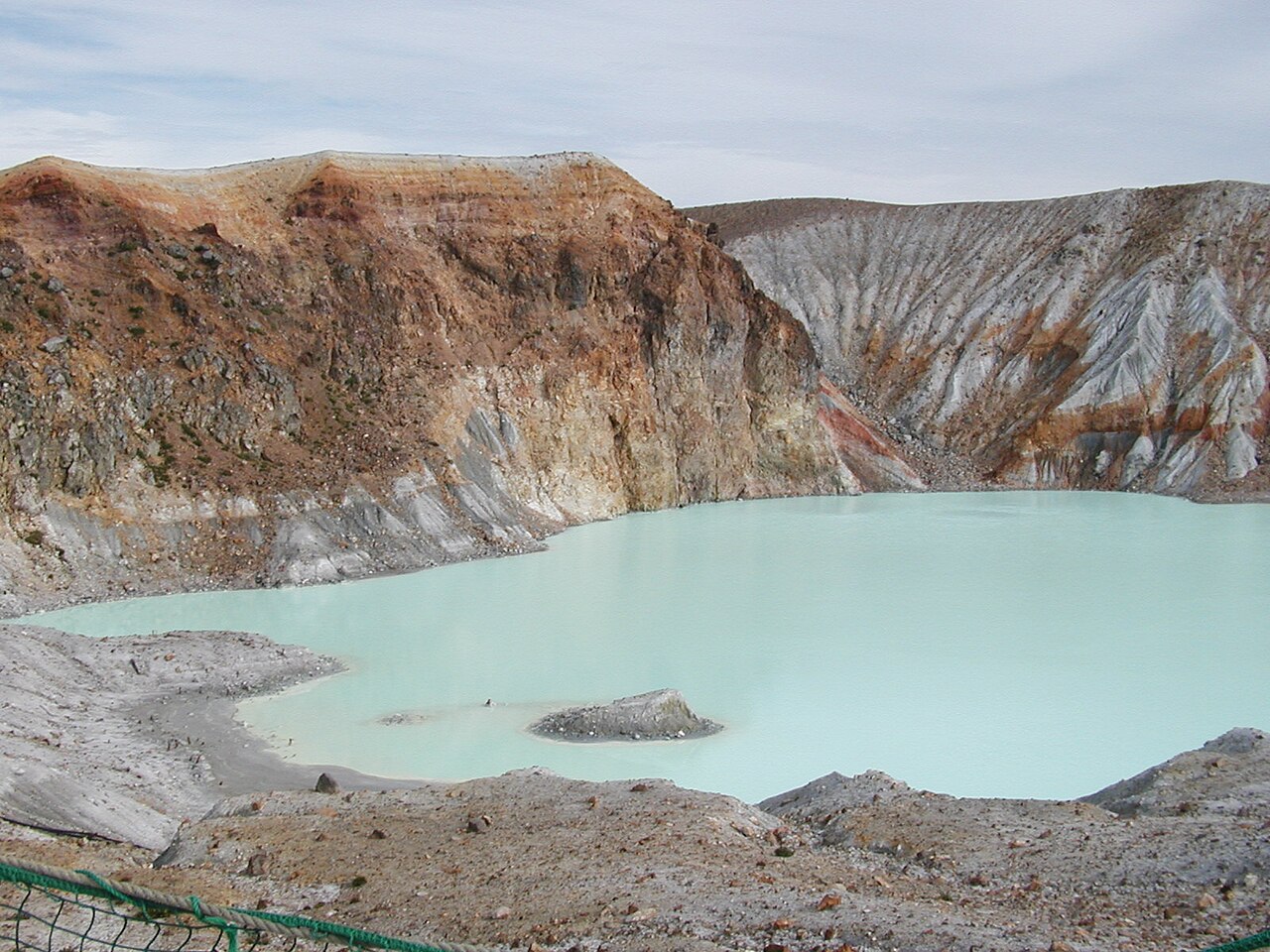
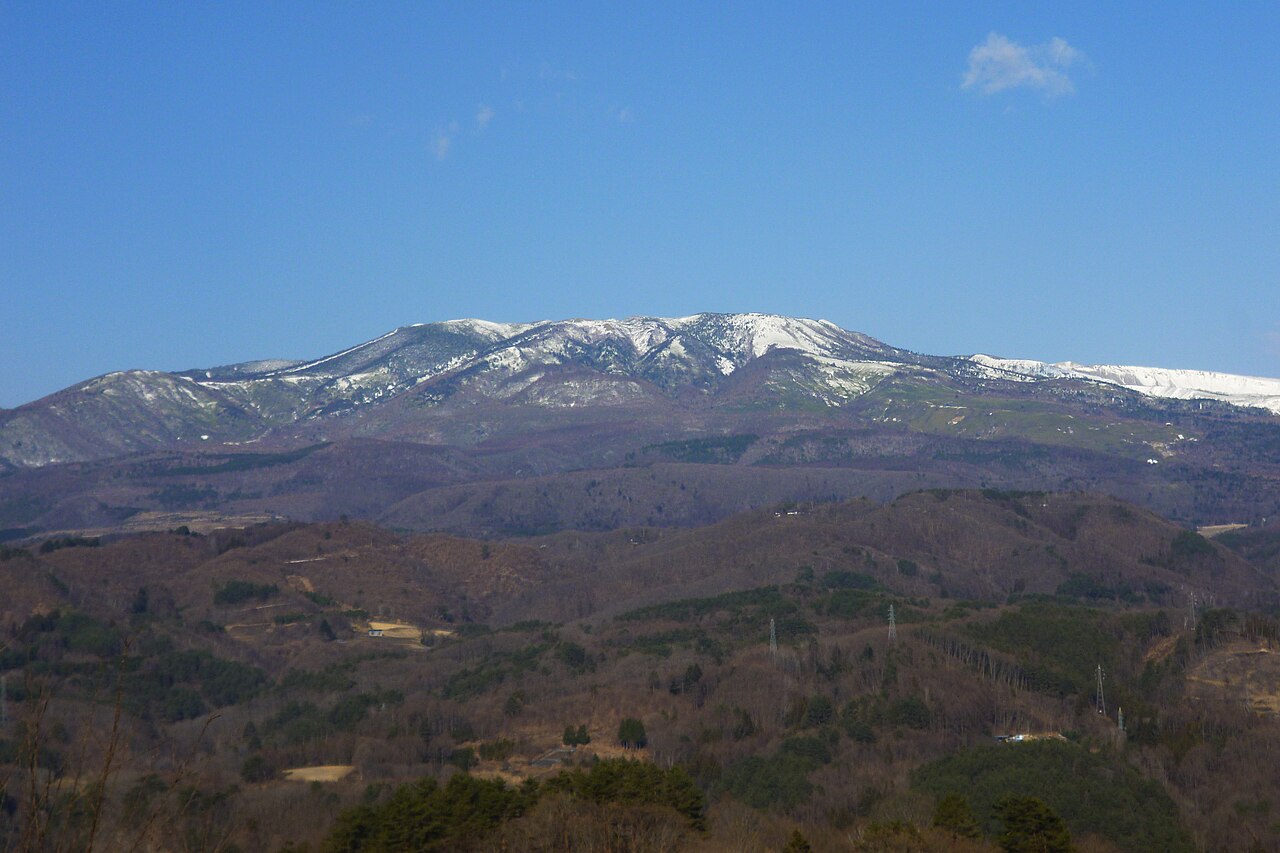
Mt. Kusatsu-Shirane sits in Gunma Prefecture near the border with Nagano, rising as an active volcanic massif whose highest area reaches about 2,160 meters. The headline feature for most visitors is Yugama, a crater lake with unusually bright green water, set inside the Shirane complex and watched closely because it lies within the active danger zone. That is the whole point here: this is not a mountain to treat casually. It is a living landscape, and the texture of the place is inseparable from the rules that surround it.
For years, access to the crater area was repeatedly restricted or closed because of volcanic activity, gas emissions, and broader safety measures. After the January 2018 eruption, in which one soldier died and several people were injured, the rules became stricter still. Then, on 2026-09-05, crater views and road access to the summit area reopened after eight years of closure. That matters for travelers in a practical sense, but also in a quieter one. The mountain can be seen again. Not recklessly. Just again.
What makes the mountain worth knowing
Mt. Kusatsu-Shirane is not famous in the soft-focus way some scenic places are famous. Its appeal is sharper, more conditional. You go because you want to understand a volcanic landscape where the ground itself sets the terms. Yugama, the crater lake, is the visual center: a small body of water with that unnaturally vivid color that makes photographs look slightly overprocessed even when they are not. It is the sort of place that reminds you, very plainly, that beauty and hazard often share the same address.
The mountain also matters because of how it has shaped the surrounding travel pattern. Kusatsu Onsen is nearby, and the reopening allows day-trippers to combine hot springs with volcanic sightseeing again. That pairing feels almost archetypal in Japan: a morning of steam and sulfur, an afternoon of cool air and exposed rock, the body moving between comfort and caution. If you are the type who likes a place to have a little argumentative edge, this is one of those places.
How access works, and why it changed
Access around the summit has been controlled for safety over a long period, and visitors should think in terms of the 規制 (kisei, restrictions; regulatory controls), meaning restrictions, rather than open wandering. The crater zone is not a free-roam landscape. The restrictions respond to volcanic activity, gas emissions, and the reality that an active volcano does not become less active because you have arrived on a bus.
The 2018 eruption changed the public approach to the mountain in a lasting way. After that event, access rules tightened, and the crater-area roads stayed closed for years. The reopening in September 2026 restored sightseeing access to the summit area, but it did not turn the place into a casual picnic stop. It is still a site to approach with respect, checking conditions before you go and accepting that the mountain may close again if conditions demand it. That is normal here. It is part of the deal.
If you are reading this as a practical Mt. Kusatsu-Shirane guide, the useful habit is simple: verify the current status before departure, and treat official closures as final. For a wider look at the region’s volcanic access history, you may also want to read crater views returning at Mount Shirane after eight years and the related coverage of the broader access situation at Kusatsu-Shirane, volcano restrictions, and an onsen trip.
What visitors can expect on site
The experience is defined by viewing rather than hiking deep into the danger zone. In other words, the mountain is interesting precisely because the visitor experience is shaped by boundaries. You come for crater scenery, mountain air, and the sense of standing at the edge of an active system. Depending on current conditions, road access may let you reach designated viewpoints near the summit area, but the exact scope of access can change. This is not a place to improvise.
One small but important Japanese term for this kind of visit is 夜景 (yakei, night view; illuminated scenery), meaning a night view or illuminated scenery; here, the word is not about city lights so much as the larger habit of Japanese sightseeing that pays close attention to atmosphere and vantage point. Another useful term is 現地 (genchi, the actual site; on location), meaning the actual site itself, because Mt. Kusatsu-Shirane is best understood on location, not as a line item in a travel plan. You feel the scale differently when the air gets thinner and the topography becomes more austere.
- Go for the crater landscape, especially Yugama.
- Plan around official road and area status, not wishful thinking.
- Pair it with Kusatsu Onsen if you want the classic contrast of steam and stone.
- Wear practical shoes and keep expectations aligned with safety rules.
Related places and the wider volcanic circuit
Mt. Kusatsu-Shirane belongs in a broader travel map of Gunma that includes Kusatsu Onsen and other mountain-and-hot-spring combinations. If you are building a day around the area, think in terms of a simple sequence: arrive early, take in the volcanic scenery while access is open, then drop back down toward the onsen town for a slower finish. The rhythm works. It is one of those routes that feels modest on paper and nicely balanced in practice.
For readers who care about language as much as landscape, this is also a useful place to learn a few mountain-related words in context. 山荘 (sanso, mountain lodge) means mountain lodge, though you may not need it if you are only visiting the crater area; 登山 (tozan, mountain climbing; mountaineering) means mountain climbing, which is more relevant for routes beyond simple sightseeing; and 体感 (taikan, first-hand experience; physical sense) means a first-hand experience, which is about as close as one should get to describing this volcano without slipping into grandstanding. Keep the vocabulary practical. The mountain already does the dramatic work.
Mt. Kusatsu-Shirane kanji, naming, and Japanese study value
People often search for Mt. Kusatsu-Shirane kanji or Mt. Kusatsu-Shirane japanisch lernen, and the reason is straightforward: names of mountains, volcanoes, and sightseeing areas are part of real travel literacy in Japan. Even when you know the English name, being able to recognize the Japanese form helps when checking transport notices, safety updates, or tourist information. That is especially true for a place like this, where closure and reopening status matter more than glossy marketing ever will.
The practical learning angle is not about memorizing vocabulary for its own sake. It is about reading the signs, understanding the warnings, and noticing how Japanese tourism language handles risk with a kind of calm precision. A good traveler does not just look. A good traveler reads. Then looks again.



Where to experience it in Japan
If your question is where to experience Mt. Kusatsu-Shirane in Japan, the answer is in Gunma Prefecture, near Kusatsu Onsen, with summit-area access dependent on current volcanic conditions and official controls. The crater views reopened on 2026-09-05 after eight years, which means the mountain is once more available as a sightseeing destination, but only within the limits set by safety. That balance is the entire story. Go for the landscape, stay for the discipline, and let the mountain keep a little authority for itself.
And if you want the cleanest possible plan, make it a simple one: crater views first, onsen after. That is enough. More than enough.
Frequently Asked Questions
Is Mt. Kusatsu-Shirane open to visitors now?
Crater views and road access to the summit area reopened on 2026-09-05 after eight years of closure, but access still depends on official safety conditions.
Why was the crater area closed for so long?
The area was repeatedly restricted or closed because of volcanic activity, gas emissions, safety measures, and the stricter rules that followed the 2018 eruption.
What is Yugama?
Yugama is the bright green crater lake at the Shirane complex, and it sits inside the active danger zone around Mt. Kusatsu-Shirane.
Can I combine Mt. Kusatsu-Shirane with Kusatsu Onsen?
Yes. The reopened sightseeing access makes it possible for day-trippers to combine crater views with a visit to Kusatsu Onsen.
Is Mt. Kusatsu-Shirane a hiking spot or a viewing spot?
It is best understood as a viewing destination with limited, controlled access rather than a place for casual wandering in the crater zone.
Sources
Japan Guide — Mt. Kusatsu-Shirane reopening coverage: https://www.japan-guide.com/news/
Official local tourism and access notices for Kusatsu Onsen and Mt. Kusatsu-Shirane: https://www.kusatsu-onsen.ne.jp/
Gunma Prefecture tourism information on volcanic access and the Shirane area: https://www.visitgunma.jp/
Mount Shirane access and safety updates cited in reopening reporting: https://jpnerd.com/en/japan-news-en/11677-crater-views-return-at-mount-shirane-after-8-years-en
