
Overview
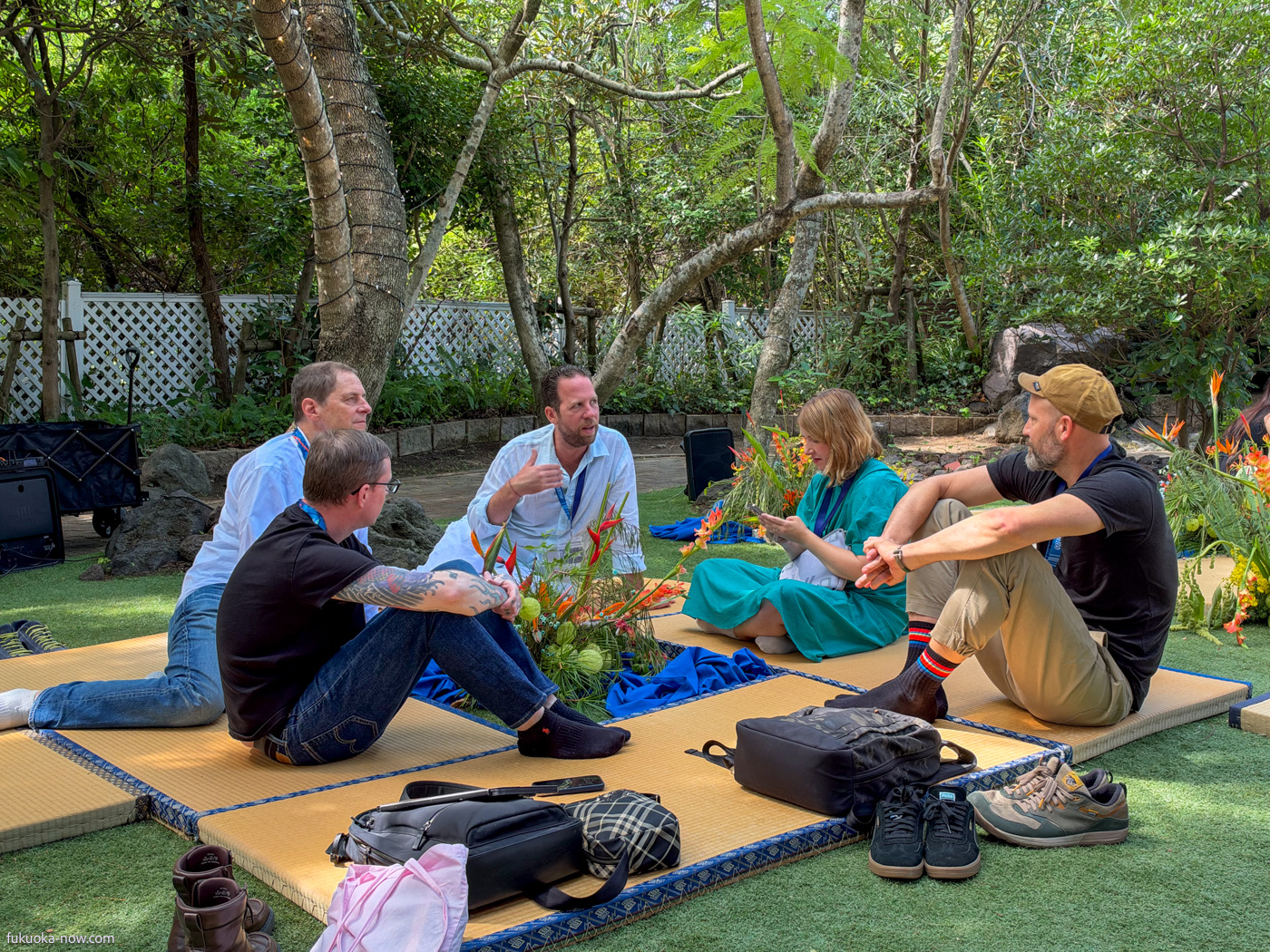
Fukuoka sits on Kyushu with a kind of balance that is easy to miss if you only glance at the map. It has the energy of a working city, sure, but also a calmer rhythm than Tokyo or Osaka, and that combination is exactly why people keep coming back to it as a place that can support both a trip and an actual life. The city feels connected, not cramped; practical, not cold; and the more you look at its streets, harbour edge, and neighbourhoods, the more that balance starts to make sense. In a Fukuoka guide, that is really the core story.
For readers interested in Japan travel, Fukuoka is also a useful reminder that a city can be easy to live in without becoming dull. Trains work, food is good, errands are manageable, and the pace tends to leave a bit more breathing room. That ease matters. It shapes how people plan dinner, how they commute, how they choose housing, and even how they imagine a future there. And if you are looking for a broader context, jpnerd has also covered why a life in Fukuoka can be possible, with a focus on the everyday conditions that make staying feel realistic rather than aspirational.

One small but important Japanese word here is 健康 (kenkou, health; overall well-being), meaning health or well-being in a broad day-to-day sense. Fukuoka’s appeal often comes from that feeling of kenkou in the routine itself: less friction, less noise, fewer unnecessary complications. Another useful term is 予約 (yoyaku, reservation; booking), meaning a reservation, because many practical parts of life in Japan revolve around planning ahead, whether you are arranging dinner, accommodation, or transport. And when people talk about the local atmosphere, おもてなし (omotenashi, Japanese-style hospitality; attentive hosting), the thoughtful style of hospitality Japan is known for, often shows up in ways that make an otherwise ordinary day feel smoother. Not flashy. Just helpful. That matters more than people expect.
Why the city keeps working for real life
What makes Fukuoka stand out is not just that it is pleasant to visit. It is that the city seems to function at a scale where daily life remains understandable. The sources portray it as having stronger work options, easier logistics, and a calmer rhythm that can reduce stress without isolating you from urban life. That is a rare combination. A place can be lively and still not exhaust you, and Fukuoka appears to live in that middle ground very well.
There is also a practical economic side to the story. A software job at Nulab is described as a turning point that offered better pay and a clearer career path, helping make life in Fukuoka possible. That detail matters because it shows the city is not only about atmosphere. It can support long-term planning. For someone thinking in terms of career, rent, commute, and future stability, that kind of work opportunity changes the entire equation. And yes, life decisions rarely arrive as neat epiphanies… they usually arrive as a better salary, a more manageable schedule, and the chance to breathe again.
Another helpful Japanese term here is 仕事 (shigoto, work; job), meaning work. In Fukuoka, shigoto is part of the city’s appeal precisely because it does not seem to demand the same level of constant strain that some bigger hubs do. Then there is 住まい (sumai, housing; home; place to live), meaning housing or home life, which becomes especially relevant when a city offers several accommodation choices rather than forcing one difficult compromise. And 交通 (koutsuu, transportation; traffic), public transport, is worth mentioning too, because a city only feels livable if moving through it does not become a daily battle. These are the hidden mechanics that make a place work.
How the city feels from the street
Fukuoka is described as connected to the rest of Kyushu while keeping a relaxed urban character. That means busy streets are still busy, but they do not necessarily feel overwhelming. Harbour views show up in the city’s identity, and quieter neighbourhoods sit not far from the areas with more movement. That contrast is part of the charm. You can have a normal city day and still feel the sea nearby.
The city’s maritime side is easy to overlook if you only think of it as an urban centre. But that would miss a key part of its personality. Fukuoka lies on Hakata Bay, and that relationship with the water helps shape how the city feels from the ground. It is not just a backdrop. It is part of the atmosphere. A coastal city can be practical and still have softness in its edges, and Fukuoka does that well.

This is where another pair of Japanese terms fits naturally: 海岸 (kaigan, seacoast; coastline), meaning the seacoast, and 港 (minato, harbour; port), meaning harbour. They are not just scenery words here. They describe the city’s lived identity. If you are the kind of traveler who likes a place to feel both active and open, both local and connected, that coastal layer makes a real difference. And if you want a slightly broader look at the region’s life and travel feel, why Fukuoka works so well as a city is a useful companion read.
A two-day coastal detour west of the city
Beyond the city centre, the west coast route gives you a chance to see a different side of the area. Fukuoka West Coast is presented as a two-day trip idea west of Fukuoka City, and it works especially well if you want a slower coastal trip rather than a packed sightseeing sprint. That makes it a nice fit for travelers who prefer fewer checkpoints and a little more room to notice the landscape as it changes.
The route includes Nishiura and Futamigaura, and it is one of those hidden spots that rewards patience. You are not just chasing a famous headline attraction here. You are moving through a coastal route that feels suitable for a short detour or a more deliberate, slower outing. That flexibility is part of its appeal. Not every good Japan trip needs to be a marathon of famous names… sometimes a route is enough, especially when the sea is doing a lot of the work.

One place that stands out along this route is Sakurai Futamigaura Shrine, known for the wedded rocks in the water framed by a torii gate. It is the kind of image that stays with you because it is simple and symbolic at once. For visitors, it offers a strong sense of place without needing a long explanation. If you are exploring the area, this is exactly the sort of stop where the coastal landscape and local belief quietly meet.
A couple of Japanese words are especially useful here. Torii refers to the shrine gate that marks a sacred area, and ishi means rock, which helps explain the famous wedded rocks at the shrine. Another term you may hear in coastal travel discussions is umi, meaning the sea. Simple, yes. But that is kind of the point. On this route, the sea is not an accessory. It is the whole mood. If you are mapping out your own route, a bit of yoyaku and some comfortable shoes go a long way.
Who Fukuoka suits best
Fukuoka is a strong fit for travelers who like cities that are active but not frantic, and for people who want to understand how a place can support longer stays as well as short visits. It is also good for readers who enjoy seeing the everyday side of Japan rather than only the postcard version. If your ideal destination includes trains, food, jobs, nightlife, and a pace that leaves room to think, this city makes a lot of sense.

That is also why Fukuoka comes up so naturally in broader Japan learning conversations. People searching for Fukuoka kanji are often trying to understand the written name and how it appears in local signage, while others look up Fukuoka japanisch lernen because they want to connect language study with a real place rather than isolated vocabulary lists. That approach works well here. Place-based learning sticks better when it is attached to daily life, travel routes, and things you can actually picture.
And that, honestly, is the charm of Fukuoka. It is not trying to overwhelm you. It gives you enough structure to feel settled, enough movement to stay interested, and enough coastal atmosphere to remind you that Kyushu is always doing a little more than you first expected. You keep noticing new layers. A harbour view here, a quieter street there, a coastal detour west of the city, a better commute than you imagined. Little by little, the city makes its case.
Frequently Asked Questions
Is Fukuoka mainly a travel city or a place for long-term living?
It is portrayed as both. The city is described as supporting travel and long-term living with practical transport, food, jobs, nightlife, and a calmer pace than Tokyo or Osaka.
What makes Fukuoka feel different from other big Japanese cities?
The main difference is the balance. It has urban activity and strong work prospects, but also a more relaxed pace, manageable logistics, and a coastal identity.
What is Fukuoka West Coast?
It is a two-day trip idea west of Fukuoka City that includes Nishiura and Futamigaura, and it suits a slow coastal outing or a short detour.
What is special about Sakurai Futamigaura Shrine?
It is known for the wedded rocks in the water framed by a torii gate, which gives it a strong coastal and symbolic feel.
Sources
- What Makes a Life in Fukuoka Possible? — https://jpnerd.com/en/japan-news-en/11439-what-makes-a-life-in-fukuoka-possible-en
- Fukuoka leben: Warum die Stadt so gut funktioniert — https://jpnerd.com/de/japan-news-de/11438-fukuoka-leben-warum-die-stadt-so-gut-funktioniert-de
- Fukuoka West Coast: 2 Tage nach Nishiura und Futamigaura — https://jpnerd.com/de/japan-news-de/11200-fukuoka-west-coast-2-tage-nach-nishiura-und-futamigaura-de