The timing matters, too. The article connects everyday livability with career changes, salary growth, and the kind of neighbourhood rhythm that makes long-term life in Japan feel less like a compromise. For Japan fans and Japanese learners, it’s a neat window into how people talk about place, work, and belonging in Japan.
Why Fukuoka feels like a place you can actually build a life
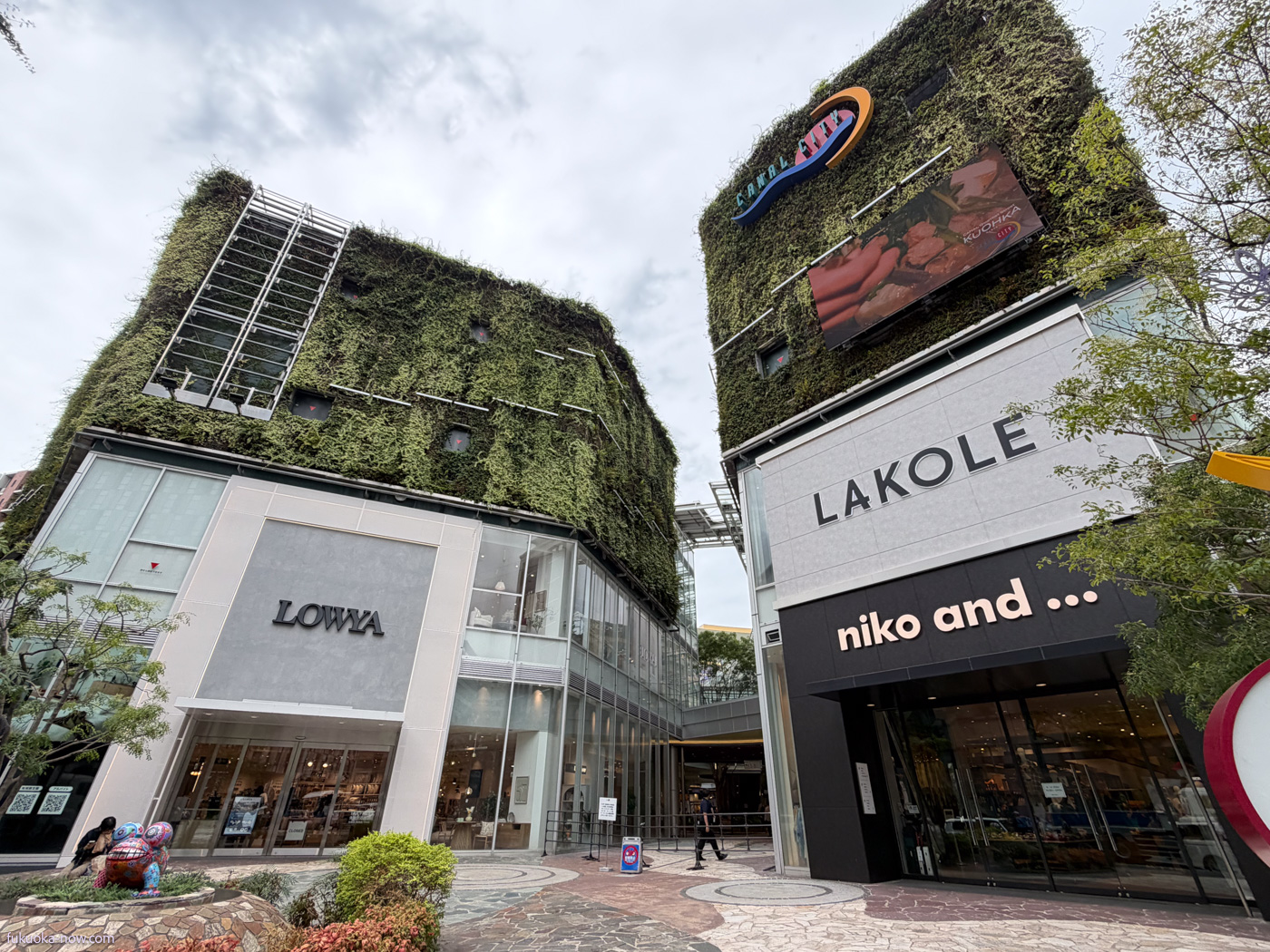
Fukuoka stands out because it doesn’t ask people to choose between a big-city life and breathing room. The city gives you trains, food, jobs, and nightlife, but it still keeps a calmer pace than Tokyo or Osaka. That balance is a big reason people keep describing it as a place where a real life, not just a short stay, becomes possible.
According to Fukuoka Now, one turning point in that story came when a software job at Nulab offered better pay and a clearer career path. The detail matters because it shows how a city becomes liveable not only through atmosphere, but through work that supports daily life. For learners, the Japanese word 生活 (seikatsu) often comes up in this kind of context, and it means far more than “life” in the abstract, it points to the practical rhythm of everyday living.
What many overlook is that in Japan, a city’s appeal is often judged by how manageable the small things are. Rent, commuting, dinner plans, and where to work from all add up. When those pieces feel smooth, staying put starts to feel realistic. But that’s not all.
The easy-city feeling that keeps drawing people in
Picture this: you arrive in a city and the logistics don’t fight you at every step. That’s the vibe many people associate with Fukuoka. One writer in the linked discussion described travel there as unusually easy because the decisions felt simple, from transport to where to stay to whether dinner needed a reservation. That may sound minor, but it’s exactly the kind of friction that shapes whether a place feels comfortable long term.
The best part is that Fukuoka still feels connected to the rest of Kyushu while keeping a relaxed urban character. You can move between busy streets, harbour views, and quieter neighbourhoods without the constant sensory overload that some larger Japanese cities bring. No joke: that can matter just as much as a famous landmark when you’re thinking about staying for years instead of days.

For Japanese learners, this is a good moment to notice how often everyday comfort words show up in travel writing. 余裕 (Yoyuu, leeway; breathing room), 自然 (shizen, nature; natural), and 簡単 (kantan, easy; simple) are the kind of terms that pop up when people talk about a place feeling spacious, natural, or easy. Those words may be simple, but they carry a lot of feeling. Convinced yet?
Work, neighbourhoods, and the lifestyle mix that sells Fukuoka
On the flip side, a city can feel pleasant and still not be practical if the jobs are weak. Fukuoka’s story is stronger because it offers both lifestyle appeal and real career prospects, especially in tech and startup circles. That combination is part of why people can imagine a future there instead of just a temporary stay.
While we're at it, neighbourhood culture also plays a huge role. Fukuoka is often praised for its coffee spots, food scene, and a balanced feel that mixes urban energy with local calm. A place where you can find a good cafe, a walkable street, and a decent work setup tends to support daily routines, and routines are what turn relocation into actual settlement.
My tip: if you’re studying Japanese, pay attention to how people describe cities with words like 住みやすい (sumiyasui, easy to live in), おしゃれ (oshare, stylish; fashionable), and 落ち着く (ochitsuku, to calm down; to feel settled). They’re not flashy, but they tell you a lot about how a place is experienced. In Fukuoka’s case, the appeal isn’t just “cool”, it’s workable. Sounds weird, but it’s true.
What I especially like is that Fukuoka’s image isn’t built on hype alone. It’s built on a simple promise: life can be easier here. That’s a strong message for travellers, remote workers, and anyone dreaming of a longer stay in Japan. And if your Japan bucket list is growing, this city deserves a look, not just a passing glance. But that's not all.
Frequently Asked Questions
Why do people consider living in Fukuoka?
Because it combines a relaxed pace, useful transport, good food, and workable career options.
Is Fukuoka only good for short trips?
No. The appeal described in the source is partly about how easy it is to imagine a longer stay there.
Is Fukuoka a good city for Japan fans and learners?
Yes. It offers a practical way to see how daily life, work, and neighbourhood culture connect in Japan.