Overview
Kusatsu 温泉 (onsen, hot spring; spa) sits in Gunma Prefecture at around 1,200 meters above sea level, which already gives it a different feel from the lowland resort towns many travelers first picture when they think of an onsen getaway. It is one of Japan’s most famous hot spring destinations, and for good reason: the town is built around an enormous flow of strongly sulfuric thermal water, with more than 32,000 liters a minute rising from the ground. That scale is part of what gives Kusatsu its reputation, and it is also why the town feels so alive with steam, movement, and heat.
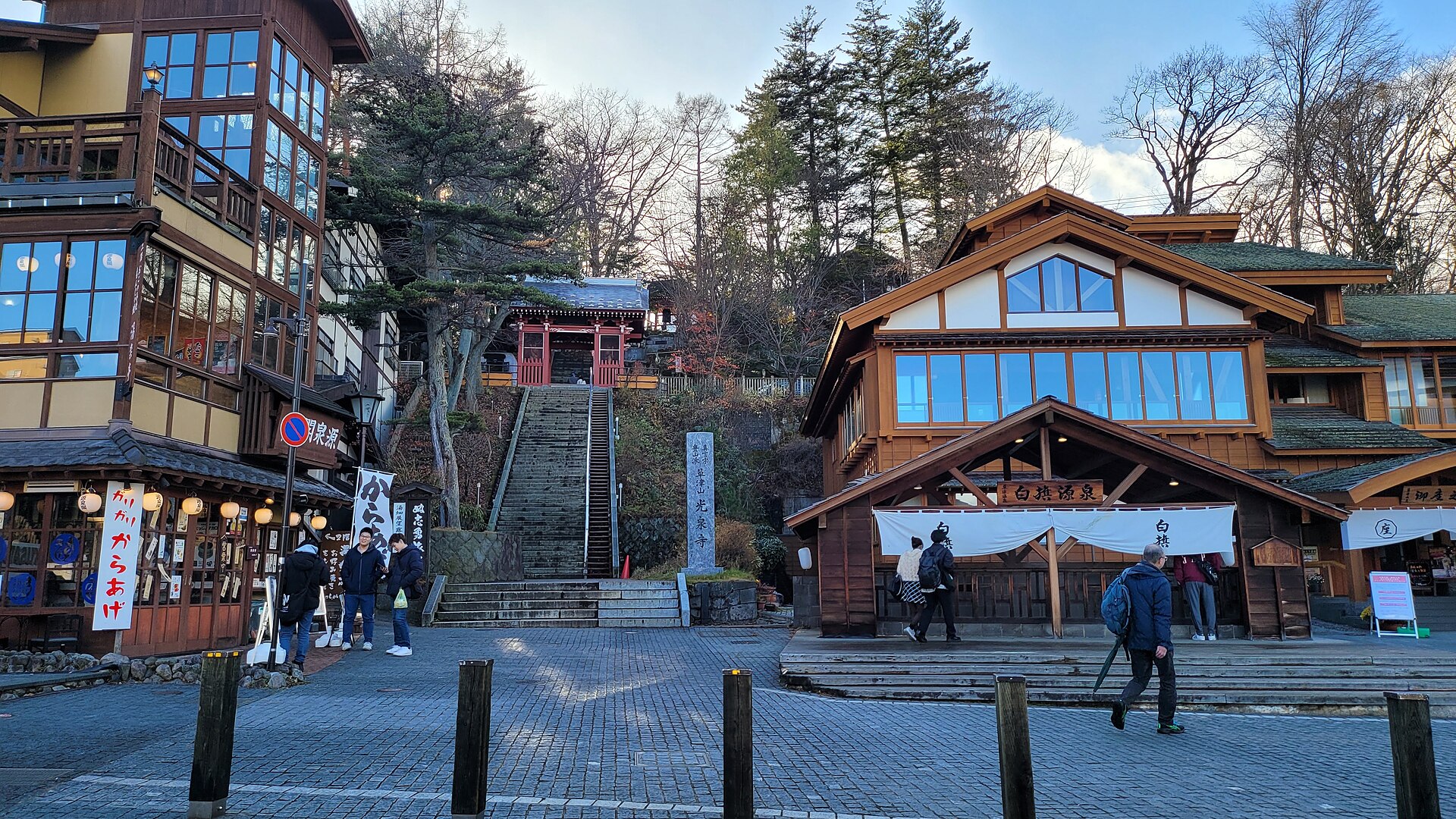
At the center stands the famous 湯畑 (yubataKe, hot-spring field; steaming central hot-spring area), the symbol most visitors associate with Kusatsu. If you are planning a visit, the official tourism site is worth checking before you go, because it shares current event information, bath closure notices, and local ceremonies, plus a magazine-style section with interviews, reports, seasonal tips, and a big photo gallery. And for practical planning, the official pages also list travel times and prices, which is always a small relief when you are juggling train connections and a bus ride.
If you are looking for a broader travel angle, I also recommend reading about the town in spring and summer, such as Kusatsu Onsen im gruenen Sommerkleid, because the area changes character quite a bit once the snow and winter crowds fade. And if you want a more practical planning reference, the town’s travel information page is useful too: Kusatsu Onsen official travel info.
What makes the town stand out
Kusatsu is not just another bathing town with a few nice inns. Its identity comes from the strength and abundance of its onsen water, which has shaped the whole visitor experience. The hot spring flow is so large that it is often described as Japan’s biggest natural hot spring output, and that matters because it supports the bathhouses, the public bathing culture, and the town’s constant sense of activity. This is the kind of place where the water is the main character, and everything else grows around it.
The climate and altitude also matter. At about 1,200 meters, Kusatsu feels cooler and fresher than many lowland onsen towns, which makes it appealing in summer as well as winter. That is one reason the area can work as a year-round escape: warm baths when the air is crisp, and outdoor walks when the mountains are green. In travel terms, it is a classic example of おもてなし (omotenashi, hospitality; attentive service), the thoughtful hospitality that shows up in small details like local guidance, bath customs, and the way the town presents its seasonal life to visitors.
How to get there without overcomplicating it
The usual route is straightforward enough: take a train to Naganohara-Kusatsuguchi, then continue by bus into Kusatsu Onsen. From Tokyo, the trip usually takes about 2.5 to 3 hours depending on the connection, which puts the town within comfortable reach for a short trip or a longer stay. The official site publishes fare and travel-time details, and that is especially handy if you are trying to compare morning departures or line up a return after a bath-heavy day.
In winter, the official tourism information also mentions seasonal extra buses, so the service pattern can become a little more robust when demand rises. That kind of detail matters in mountain travel. Weather changes, road conditions change, and a good 予約 (yoyaku, reservation; booking), meaning a reservation, can save you a lot of stress if you are aiming for a specific inn or a timed activity.
Bath culture, ceremonies, and the town’s daily rhythm
Kusatsu Onsen is deeply tied to bathing culture, and the town does a nice job of presenting that culture without flattening it into a postcard. The official tourism information highlights family-friendly 旅館 (ryokan, traditional inn), baths separated by gender, and the timing of the traditional Yumomi performance. That matters because it tells you what kind of experience you can expect: not just soaking, but a whole local system of customs, timing, and shared space.
Yumomi itself is one of those traditions that helps explain Kusatsu’s character. It reflects how the water is managed and how the town has built a living cultural practice around a natural resource. For visitors, it is a good reminder that an onsen town is not only about relaxation. It is also about process, technique, and the social habits that make bathing feel like part of local life rather than a one-off attraction.
And that is where the idea of 祭り (matsuri, festival; local celebration), or festival-like local events, comes in too. Kusatsu’s official pages list current ceremonies and events, so even if you are visiting primarily for the baths, there is often something seasonal or communal to notice in the background.
Summer walking, mountain air, and what is actually open
In the green season, Kusatsu becomes more than an onsen stop. Many lift facilities and walking routes are used by casual strollers and nature lovers, and there are organized mountain walks and relaxed chairlift rides. The usable season for the green mountain area is generally longer than just the core summer months, running roughly from late April into early November. That said, the exact operation of summer facilities changes from year to year, so it is best to check current schedules before planning around a specific lift or trail.



Some visitors come looking for highland scenery and end up discovering a more playful side of the resort area. The Tenguyama Play Zone and Kusatsu Resort area have offered activities such as mountainboard, grass skiing, putting golf, sky trampoline, zipline, and mini track and field. That mix gives the area a very different energy from a quiet bathhouse afternoon. It is more active, more family-friendly, and a little more off the beaten path than people sometimes expect from an onsen town.
The mountain side and why timing matters
The Kusatsu-Shirane mountain area has had restricted access for years after the 2018 eruption, and that is important context for anyone interested in hiking or crater views. The route toward the Yugama crater was closed for a long time, and any reopening has been limited and temporary rather than a permanent return to normal access. The main summit area of Hon-Shirane remains closed to hikers, with no regular route to the top at present.
That means you should treat mountain access as something to verify right before your trip, not something to assume from older guidebook information. A short viewing path to the Yugama crater was opened only on a trial basis for a limited period, with restricted hours, and it does not restore full mountain access. For travelers, that is a good reminder that Kusatsu’s mountain side is beautiful but also carefully managed. Safety comes first, and the best experience is the one that respects the current conditions.
Where to experience Kusatsu in a way that feels real
If you want the most satisfying visit, start in the town center around Yubatake, then move outward based on the kind of day you want. For a classic onsen experience, stay at a ryokan and take time with the baths rather than rushing through them. For a more active day, look at the green-season lifts, walks, and resort activities. And for a more local-feeling visit, check the official tourism site for ceremonies, bath closures, and the timetable of Yumomi so you can build your day around what is actually happening.
That is the hidden charm of Kusatsu. It rewards patience. You come for the hot spring, of course, but you stay for the way the town layers bathing, mountain air, seasonal movement, and small practical details into one coherent place. It is one of those hidden spots that is not really hidden at all, yet still manages to feel discovered when you first understand how it works.
And if you are also using the trip as a gentle way to learn, Kusatsu can even be useful for Kusatsu Onsen kanji and Kusatsu Onsen japanese learning practice, especially when you start noticing bath-related words, route signs, and the names of seasonal events. Little by little, that kind of reading turns a visit into something more personal… and honestly, that is half the fun.
Frequently Asked Questions
How do you usually get to Kusatsu Onsen from Tokyo?
The usual route is by train to Naganohara-Kusatsuguchi, then by bus to Kusatsu Onsen. The trip from Tokyo generally takes about 2.5 to 3 hours depending on the connection.
What is Kusatsu Onsen best known for?
It is best known for its powerful hot spring water, the central Yubatake, and its long-established bathing culture. The town is also one of Japan’s most famous onsen destinations.
Can you visit the mountain and crater area near Kusatsu Onsen?
Access has been restricted for years after the 2018 eruption, and the main summit area remains closed to hikers. Any crater access has been limited and temporary, so current conditions should always be checked before a visit.
What kinds of activities are available in the green season?
In summer and the green season, visitors may find lift rides, walking routes, organized mountain walks, and resort activities such as mountainboard, grass skiing, putting golf, sky trampoline, zipline, and mini track and field, depending on the operating schedule.
Sources
- Kusatsu Onsen official tourism information - current events, bath closures, ceremonies, travel times, and prices: https://www.kusatsu-onsen.ne.jp/
- Kusatsu Onsen official magazine and photo gallery: https://www.kusatsu-onsen.ne.jp/
- MLIT Tagengo database on green season timing: https://www.mlit.go.jp/tagengo-db/H30-00368.html
- Yugama access update report: https://tabiris.com/archives/yugama-kaiho/
- Kusatsu-Shirane hiking access report: https://www.yamakei-online.com/journal/detail.php?id=8637
- Tenguyama Play Zone and Kusatsu Resort activity overview: https://www.walkerplus.com/article/1006772/
- Kusatsu Onsen water volume reference: https://jasumo.com/kusatsu-onsen-japans-no-1-hot-spring-for-water-volume/