Seriously, this isn’t just a cute novelty item. It’s a real design statement with strong fan appeal. If you like Japanese books, printing, or learning a bit of book-related vocabulary, this one’s got plenty to chew on. And there’s more.



What Makes the Zorori Mini Book So Special?
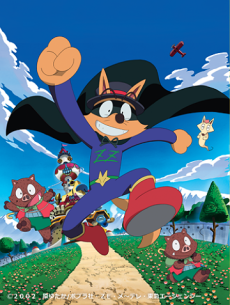
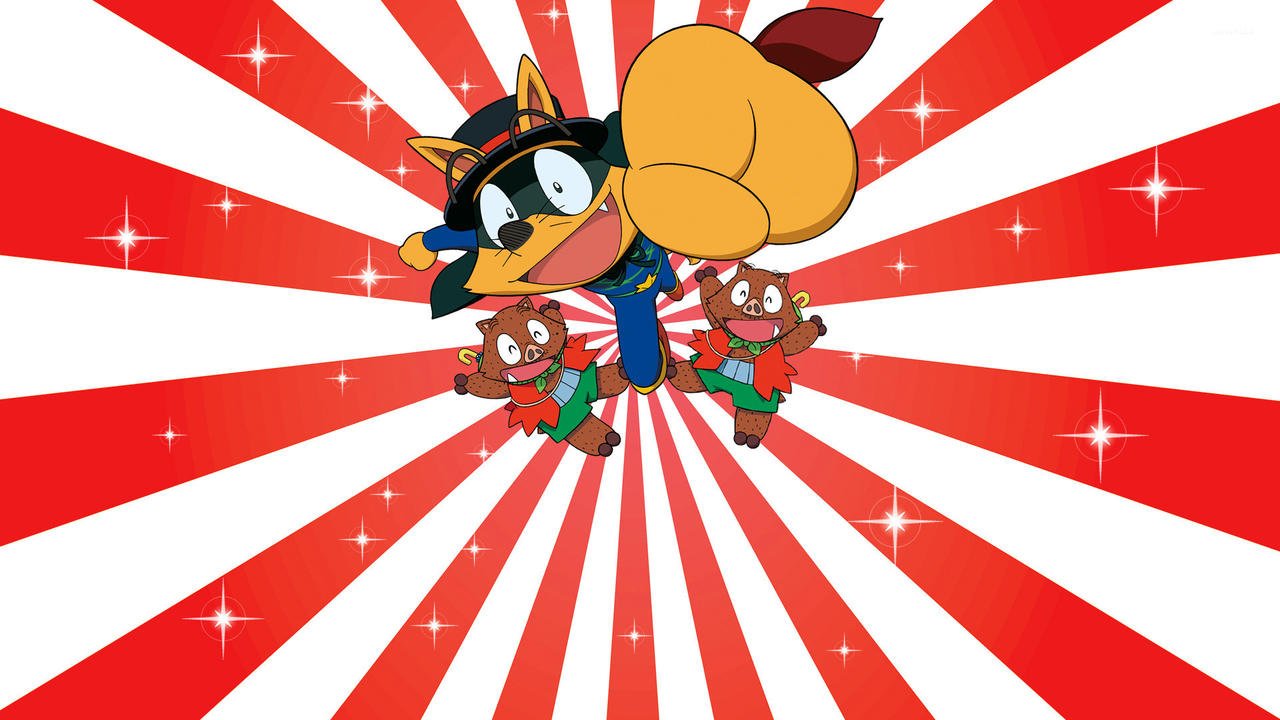
Ever wondered why a tiny book can get serious attention from designers? The winning title is Kaiketsu Zorori no 豆本 (mamebon, miniature book), a compact mini book based on the long-running children’s series Kaiketsu Zorori. That already tells you a lot, because Zorori is a huge name in Japan, especially among kids and adults who grew up with the books, anime, and movie adaptations.
The term mamebon means a very small book, and that size changes everything. The layout, paper choice, cover handling, and binding all have to work on a much tighter scale than a normal paperback. No exaggeration: when a book gets that small, every millimetre matters, and poor design shows instantly.
What I especially like is that this is the kind of object that feels playful and serious at the same time. It’s a children’s comic-book-style title, yet it was judged for design and craftsmanship, not just content. From my experience, that mix is exactly what makes Japanese print culture so fun to follow. Convinced yet?
The 59th Zohon Henso Konkoursu and the Rijicho Sho
Did you know the prize came from the 59th 造本 (zohon, book production; bookmaking) Henso Konkoursu, a long-running Japanese book design and binding competition? The name sounds technical, but the idea is simple enough: books are judged not only as reading material, but as physical objects. That means typography, structure, durability, visual balance, and binding quality all come into play.
The Zorori mini book received the 理事長賞 (rijicho sho, chairman's award), or chairman's award. In a competition like this, that’s a strong endorsement. It says the book stood out among many entries, not because it shouted the loudest, but because the design work held together from the first look to the final page turn.
What many people overlook is that Japanese publishing still puts real weight on the physical book as an object. Even with digital reading everywhere, a well-made printed book can still win praise for its tactile design, and this Zorori title is a good example. Compared with back home, where book awards often focus mainly on writing, Japan’s design scene can be much more object-focused. And there’s more.
Why Kaiketsu Zorori Matters for Japan Fans
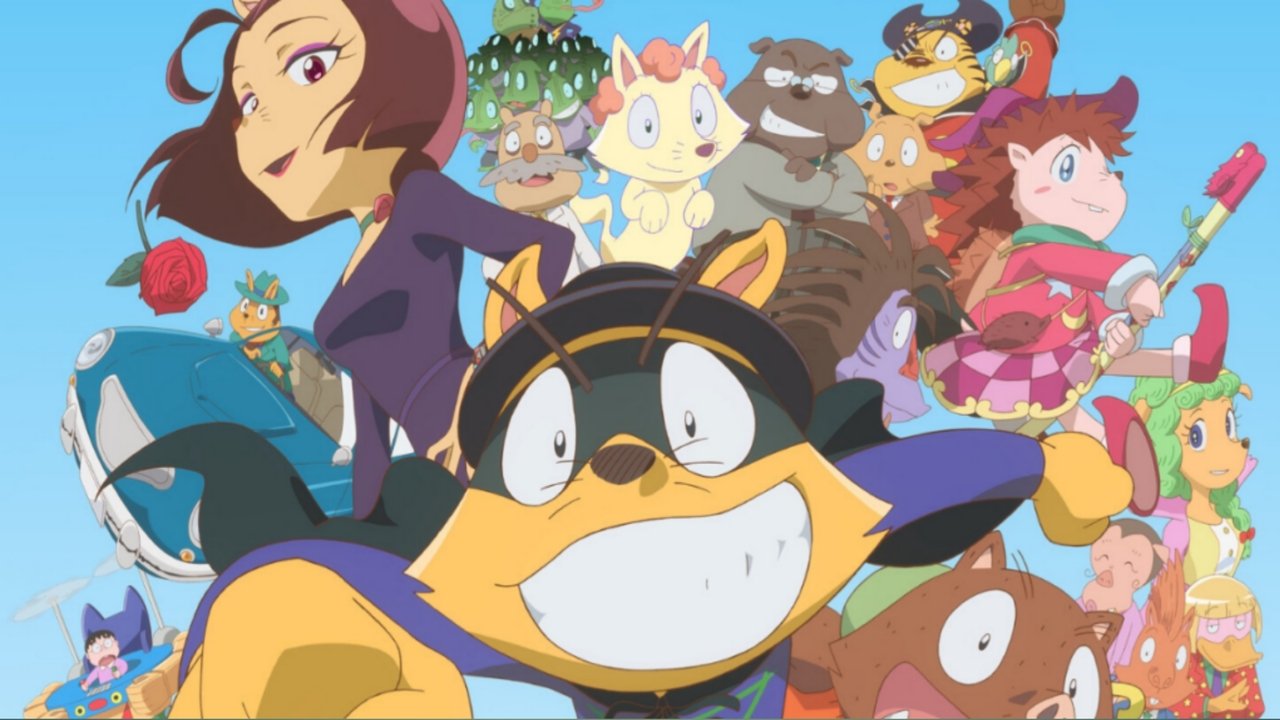
Here’s the kicker: Kaiketsu Zorori isn’t some niche title tucked away on a dusty shelf. It’s one of Japan’s most recognisable children’s franchises, created by Yutaka Hara, and it’s been entertaining readers since 1987. The series follows Zorori, a mischievous fox, and his adventures are packed with jokes, puns, slapstick, and wordplay that Japanese learners can actually enjoy spotting.
For learners, that makes the mini book doubly interesting. You get a design award story, and you also get a reminder that Japanese kids’ media often rewards close reading. Watch for repeated vocabulary, simple sentence patterns, and playful names. If you’re studying Japanese, children’s books can be a gentle way into natural phrasing, and Zorori’s world has that light, funny energy that keeps readers going.
And it gets better: the format itself is a lesson in Japanese publishing culture. Mini books are often sold as collectibles, gifts, or novelty items, and they can be tied to bookstores, character goods, or seasonal campaigns. Insider tip: if you see the word mamebon, think “small, collectible, carefully made.” It’s a useful term for browsing Japanese shops, online listings, or museum-style exhibitions on printing and design. I’d recommend keeping an eye out for this kind of format if you enjoy book design as much as the story inside. From my experience...
What This Award Says About Japanese Book Design
To be fair, a design prize for a mini children’s book might sound like a small story. But that’s exactly why it stands out. Japan often turns everyday print culture into something worth celebrating, and book design competitions make space for craftsmanship that readers may not notice at first glance.
The Zorori mini book shows how a familiar character can be reimagined as a design object. The scale is tiny, the audience is broad, and the result is memorable. For Japan fans, that combination is gold, because it connects pop culture, publishing, and material design in one neat package.
My tip: if you enjoy Japanese learning, pay attention to these award announcements. They often introduce useful terms like mamebon, zohon, and henso, and they give you a real-world context for words you won’t always see in textbooks. That’s the kind of vocabulary that sticks. Convinced yet?
Frequently Asked Questions
What won the design award?
The mini book version of Kaiketsu Zorori won the chairman's award at the 59th Zohon Henso Konkoursu.
Why is this book news worth following?
It combines a popular children's franchise with serious book design and binding recognition.
Is this useful for Japanese learners?
Yes, because it introduces publishing-related vocabulary and shows how Japanese culture treats books as objects.