No exaggeration, this is exactly the sort of throwback that works when the studio knows what to preserve and what to update. For Japanese learners, it also gives you a neat little vocabulary moment, because a title like Mahou Kishi Rayearth has enough cultural residue to be worth noticing, even before you get to the music cue that does half the emotional work.


Magic Knight Rayearth Returns With a Non-Credit Opening
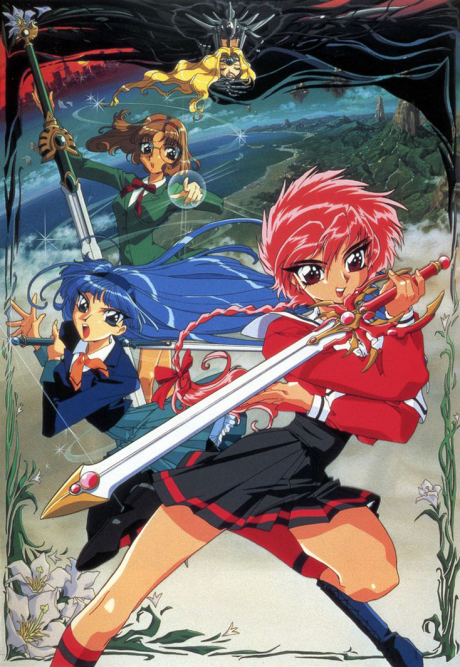
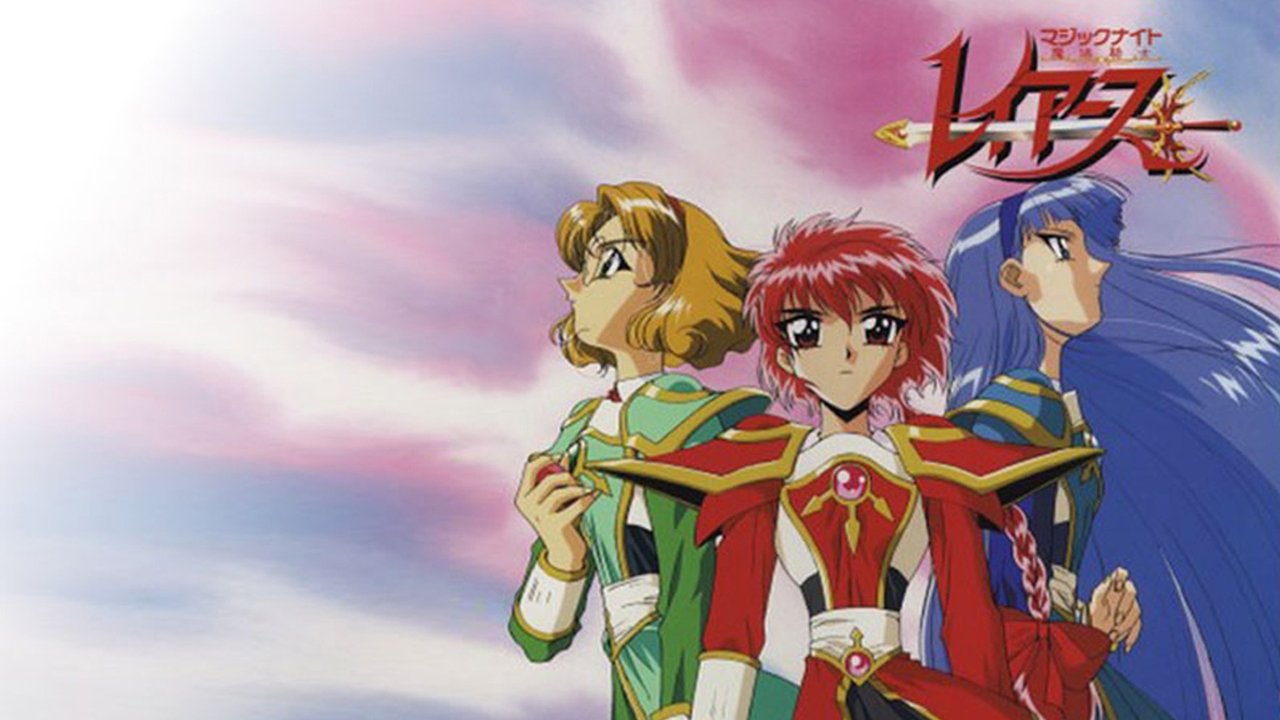
Magic Knight Rayearth now has a new opening video, and the key detail is right there in the format: it’s a non-credit opening. That means you’re watching the sequence cleanly, without the text overlays that usually cover the artwork and timing, which is exactly how you judge whether an opening actually holds together in practice, not just on paper. The video is being presented through Tms Anime Official Channel, so the studio’s clearly treating this as a showcase piece rather than a throwaway upload.
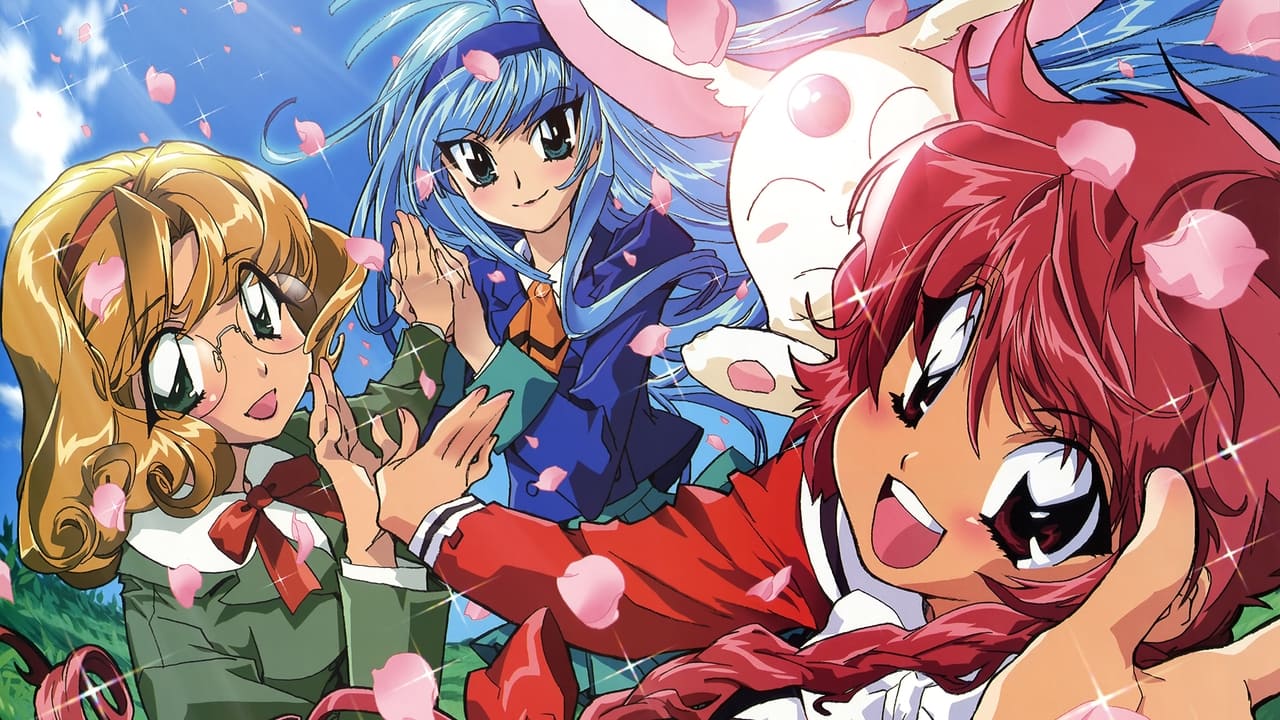
The opening also matters because this isn’t just any nostalgic repackaging. The title itself, Mahou Kishi Rayearth, already carries weight for longtime anime fans, and the new sequence leans into that without pretending the past needs to be rewritten. That’s the smart move. You keep the identity, you refresh the presentation, and you let the music do the heavy lifting where memory is strongest. Classic Japan, isn’t it?
The Song Choice Does Most of the Work
What many overlook is that an opening video lives or dies on its audio-image relationship. A visually competent sequence can still feel flat if the song doesn’t snap into place, and a strong track can make even modest animation feel deliberate. Here, the featured performance is by Toaka, and the result is less about bombast than control. That matters, because fantasy anime openings often overcompensate, throwing motion at you like confetti at a bad office party.
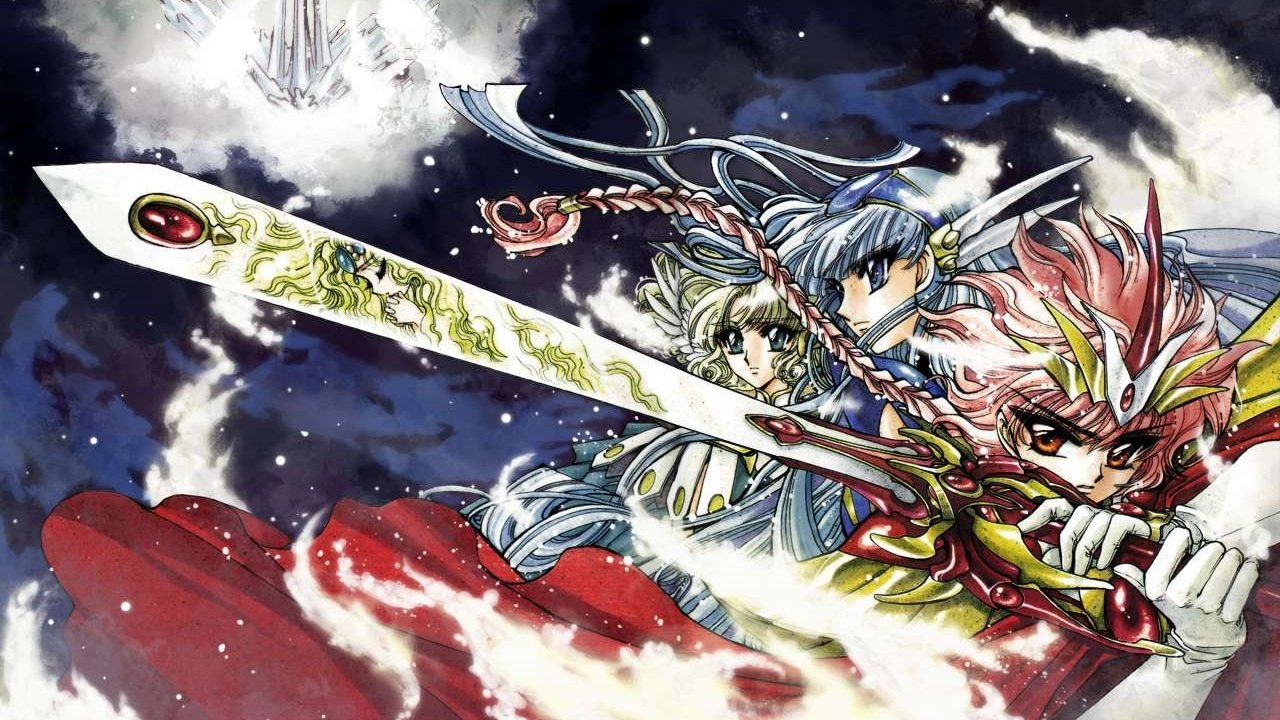
For Japanese learners, this is also a useful listening exercise. If you already know the original Mahou Kishi Rayearth opening material, you can compare phrasing, tone, and how the melody frames the title’s mood. My tip: pay attention to how the song establishes expectation before the visuals fully settle. That’s one of those production choices that teaches you more about Japanese media craft than a thousand “explainer” posts ever will.
Why the Non-Credit Version Matters
Non-credit openings are the cleanest form of the craft. They let you study composition, cuts, logo placement, and scene rhythm without the distraction of credits floating across the frame. That’s especially useful when a studio wants the opening to function as a statement, not just a broadcast necessity. In other words, this version tells you what the production thinks the sequence is worth when nothing is covering it up.

And yes, that sounds obvious. It isn’t. Plenty of anime openings are designed to survive the credit crawl, not to impress once the clutter’s removed. The difference shows immediately when a studio uploads a dedicated clean version. It says, quietly but firmly: look at the work itself.
Tms Anime Official Channel Knows Exactly What It’s Selling
There’s a reason the upload coming from Tms Anime Official Channel matters. Distribution channels shape perception, and Tms is using its official presence to frame this as a proper piece of anime branding. That brings us to the actual problem in a lot of revival marketing: too many legacy properties are presented as if nostalgia alone can carry the load. It can’t. You still need craft, timing, and a clear visual pitch.

Here, the studio seems to understand the assignment. The new opening isn’t trying to become a museum exhibit. It’s trying to remind you why the original property had enough style to still matter now. For an anime with the recognisable weight of Mahou Kishi Rayearth, that’s the right call. You don’t need a lecture. You need a sequence that earns the memory it’s borrowing.
From a Japan-learning angle, this is also one of those cases where media literacy and language learning overlap nicely. Even if you’re only picking up romaji titles, release info, and studio names, you’re training your eye to notice how Japanese entertainment packages its own history. That’s not a side benefit. That’s part of the job if you’re serious about understanding anime beyond surface-level hype.
By the way, this is also why older titles keep resurfacing so effectively in modern digital circulation. Official channels can re-contextualise a work in seconds. One clean opening video, and suddenly a whole generation has a fresh entry point. Simple. Effective. Slightly smug, if I’m honest.
In pictures

Frequently Asked Questions
What is the new Magic Knight Rayearth video?
It’s a non-credit opening video for Magic Knight Rayearth, released through Tms Anime Official Channel.
Who performs the new opening song?
The opening features Toaka.
Why does the non-credit version matter?
It lets you see the animation cleanly, without text covering the visuals, so the opening’s craft is easier to judge.