

This guide focuses on practical self-catering, konbini tactics, and a few vocabulary notes in romaji that’ll help you read labels with less stress. It’s written for Muslim travellers who want real trip value, not vague “Japan is difficult” advice.



Why Halal Travel Beyond Tokyo and Osaka Often Works Better
Did you know that a lot of Japan’s easiest halal travel wins are outside the two biggest tourist magnets? Tokyo and Osaka get the most attention, but regional cities often give you more space, simpler hotel choices, and fewer rushed dinner plans. That matters when your travel style depends on self-catering, prayer breaks, and not spending half the night hunting for one decent meal.
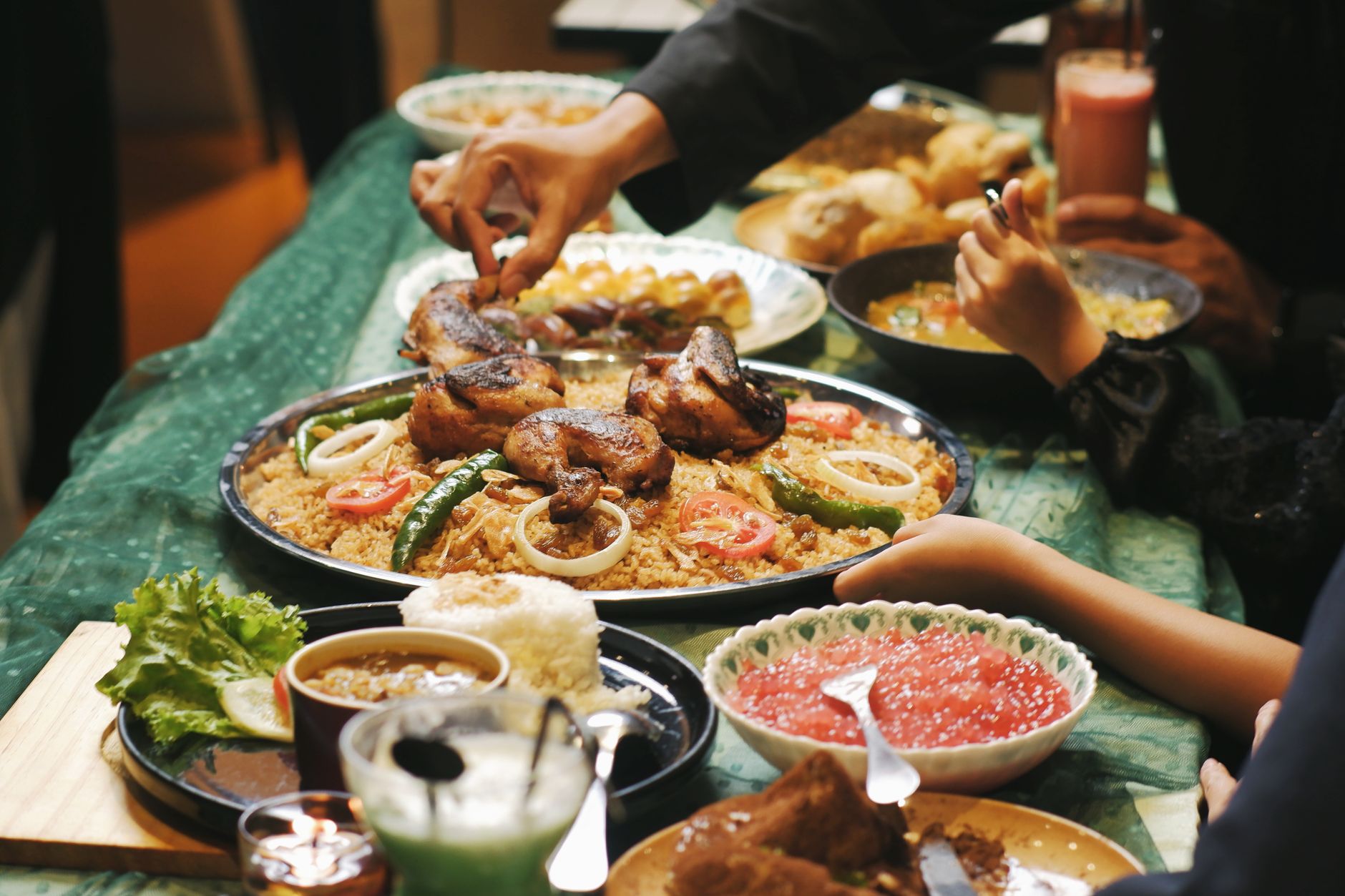
I still remember exactly how much easier a smaller city feels when your hotel has a kitchenette, a supermarket is five minutes away, and you’re not paying premium rates just to sleep. In places like Kanazawa, Takayama, Fukuoka, Sapporo, and Kobe, you can often build a halal-friendly routine around breakfast in your room, a prepared lunch from a store, and one planned meal out. Sounds odd, but it’s true.
The best part is that regional travel in Japan usually gives you clearer logistics. Fewer transfers, more walkable neighbourhoods, and more time to actually enjoy the place. That brings us to the real secret, which is not chasing a perfect halal restaurant every time, but making your accommodation and convenience-store strategy do most of the heavy lifting.
Halal-Friendly Self-Catering: The Real Trip Saver
Here's the thing: self-catering doesn’t have to mean cooking a full dinner after a long day of sightseeing. In Japan, it often means smarter breakfasts, backup snacks, and one or two simple meals from ingredients you can trust. A room with a mini-fridge, microwave, or small kitchen can make a huge difference, especially outside major halal restaurant clusters.
For example, apartment hotels and business hotels in regional cities are often better value than fancy city-centre stays. In Fukuoka, a basic kitchenette-style room can be cheaper than a standard Tokyo hotel, and in places like Sapporo or Kanazawa you’ll often find supermarkets with fresh fruit, salad packs, rice balls, yogurt, eggs, and plain bread. My tip: book near a station and a supermarket, not just near a sightseeing spot.
What to buy for easy halal self-catering
Look for items with simple ingredients and clear labels. Plain rice, fruit, bottled water, milk, yogurt, nuts, bread without suspicious fillings, and ready-to-eat vegetables are all useful starting points. If you can read a little romaji or recognise words like chikin, hamu, or piroshiki-style fillings, you’ll avoid a lot of accidental surprises.
To be fair: not every “simple” food is actually simple. Japanese labels can hide things like 出汁 (dashi, soup stock), みりん (mirin, sweet cooking rice wine), gelatin, or lard, so it helps to build a tiny safe-food list before you leave home. This is where a smartphone translation app and a few saved photos of trusted ingredient labels become worth their weight in gold. Convinced yet?
Konbini Survival Tactics for Muslim Japan Travellers
Ever wondered why konbini are such a big deal in Japan travel? Because they’re open late, everywhere, and usually dependable for emergency food, drinks, and toiletries. That’s a huge plus when your halal options are limited after 8 p.m. or when you land in a regional city and just need something safe before checking in.
For example, the big three convenience-store chains, 7-Eleven, Lawson, and FamilyMart, all stock useful basics, but the selection changes by location. In many stores you’ll find おにぎり (onigiri, rice ball), salads, sandwiches, fruit cups, nuts, pastries, and hot drinks, yet the ingredient list still matters. Look for plain items rather than flavoured ones, because bonito stock, meat extracts, and alcohol-based seasoning can sneak in easily.



Konbini words worth remembering
While we're at it: a few romaji words can save time at the shelf. Learn ゆでたまご (yudetamago) for boiled egg, 塩 (shio) for salt, 水 (mizu) for water, and 食パン (shokupan) for plain white bread. If you spot 肉 (niku, meat), chikin, hamu, or bacon, you already know to pause. That tiny bit of Japanese can stop a bad purchase before it happens.
Here's the catch: even when a product looks safe, the same item can have different ingredients in different branches or prefectures. Always check the small print, especially on sauces and chilled meals. What I especially like about konbini is the routine, though. Once you find three or four reliable items, your trip feels less like survival and more like travel. Wait, there’s more.
Best Cities Outside Tokyo and Osaka for Halal-Friendly Trips
Picture this: you’re in Fukuoka, staying near Hakata Station, and your dinner plan is a supermarket meal, a prayer break, and a late walk along the river. Or you’re in Kanazawa, where the old-town atmosphere is lovely, and your hotel room becomes your base for an easy breakfast and a packed lunch. That’s the kind of travel rhythm that makes Japan feel smoother.
Fukuoka is a strong choice because it has airport access, a compact city layout, and a growing halal-friendly food scene. Sapporo works well for travellers who want cooler weather, spacious streets, and plenty of grocery options. Kobe has long had international influence, so it often feels easier for first-time Muslim visitors than people expect. Takayama and Kanazawa are smaller, slower, and best approached with self-catering in mind.
To be fair: you won’t find halal certainty everywhere, and that’s not the point. The point is flexibility. If you choose a city with a supermarket, a station area, and at least one halal or halal-aware restaurant, you’ve already made the trip much easier. Personally, I’d pick one overnight stay in a smaller city over another hectic night in central Tokyo any day.
Simple Trip Planning That Gives You Real Value
Did you know that a little planning can cut both stress and spending? Book accommodation with a fridge, check whether breakfast is included, and map the nearest supermarket before you arrive. If a restaurant is far from your hotel, you’re not just paying in yen, you’re paying in time and energy too.
My tip: build every day around one reliable meal source, not three. Maybe breakfast comes from your room, lunch from a konbini, and dinner from a halal restaurant or a self-catered meal. That approach works especially well on long train days, because you won’t feel trapped by food rules when your schedule changes.
What I especially like is how this style of travel makes Japan more accessible. You get the train rides, the neighbourhood walks, the seasonal scenery, and the cultural details, without turning food into a constant problem. And if you’re learning Japanese, those little label-reading moments become part of the fun, not just a chore. Arigato, small victories.
Frequently Asked Questions
Is it easier to travel halal outside Tokyo and Osaka?
Often, yes. Smaller cities can be easier to plan around if you use self-catering and choose accommodation near supermarkets.
Can I rely on convenience stores in Japan?
Yes, but check ingredients carefully. Plain items are safer than flavoured snacks or ready meals.
Which city is a good first stop for halal-friendly travel?
Fukuoka is a strong first choice because it is compact, well connected, and practical for flexible food planning.


