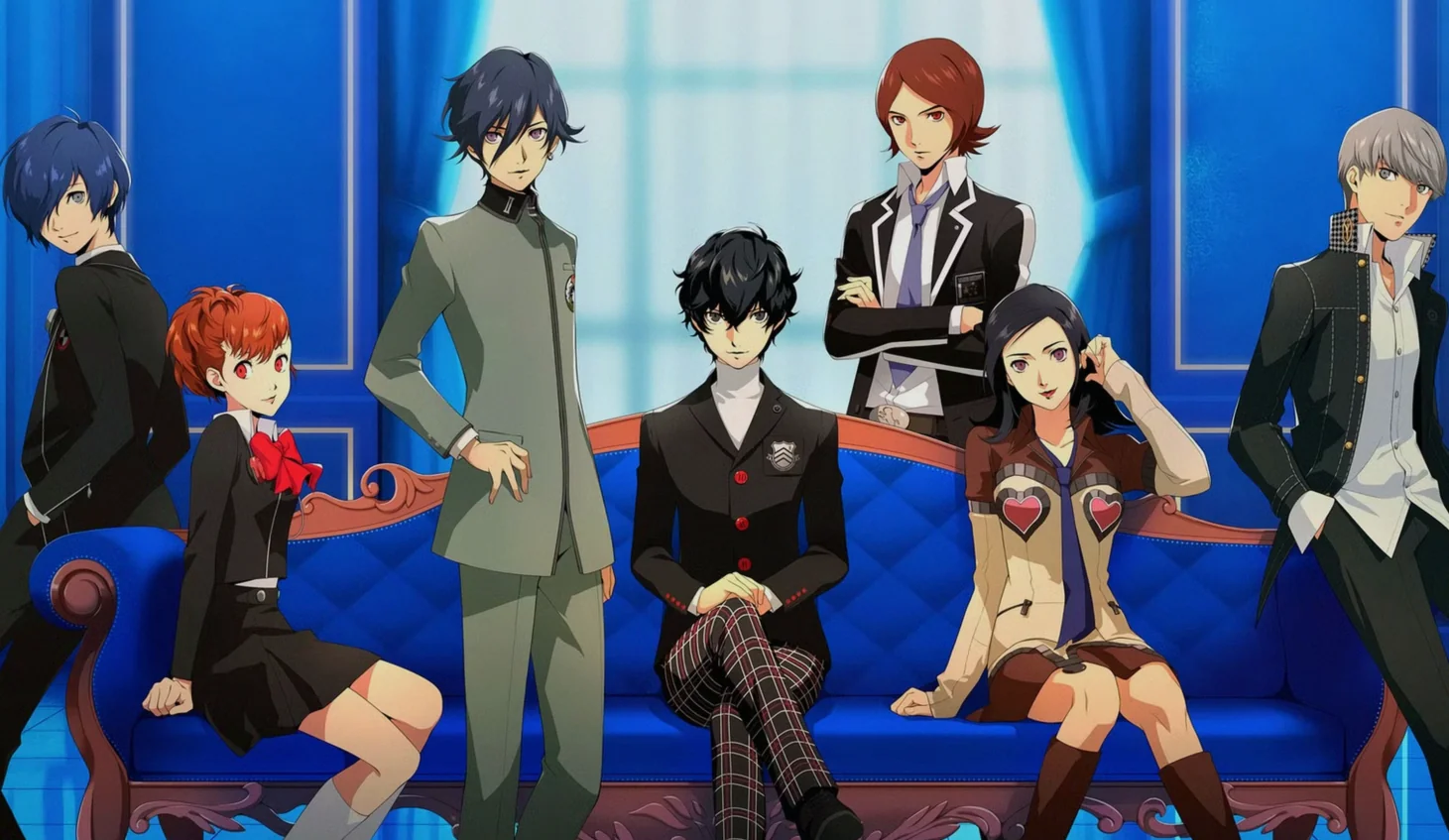
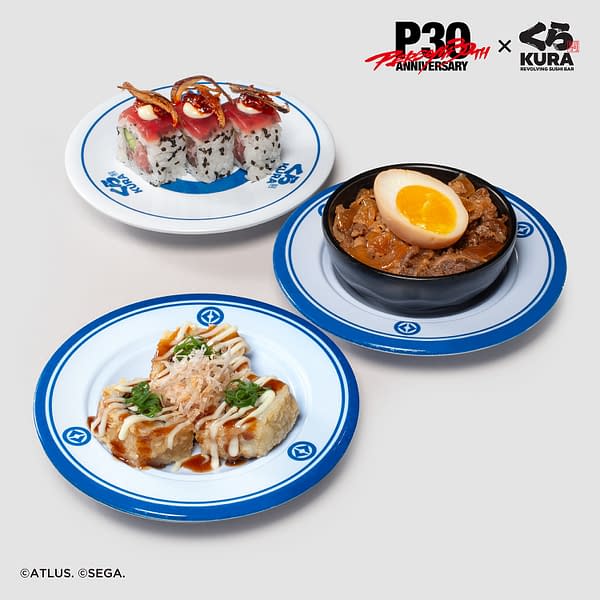
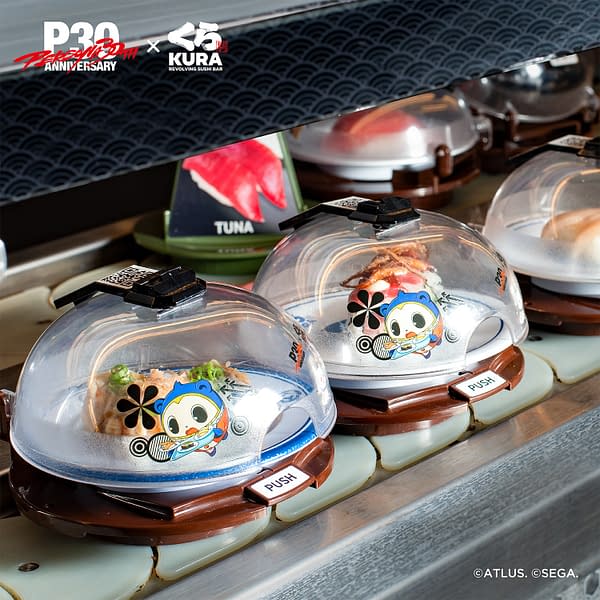
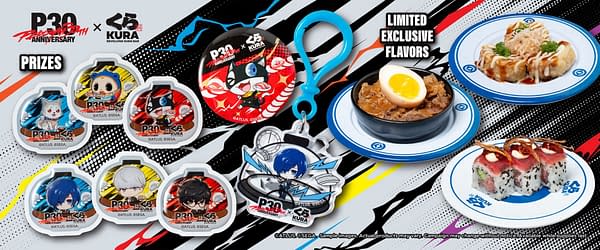
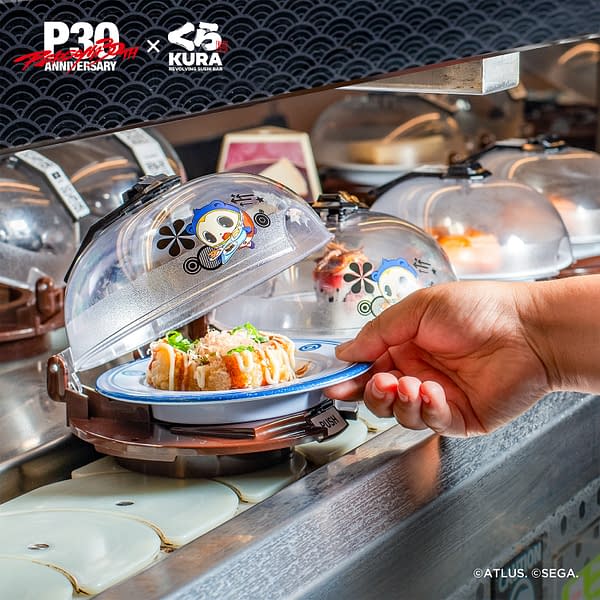
The lineup includes the Weird たこ焼き (Takoyaki, octopus balls) 天ぷら (Tempura, deep-fried battered food) Roll and the Calling Card Tuna Roll, plus a Persona-themed promo character tied to the campaign. It’s a neat example of how Japanese chains turn fandom into a meal you can actually order.
![Dragon Ball Z: Kakarot [Master Edition]](https://s.pacn.ws/1/p/1eh/dragon-ball-z-kakarot-master-edition-908785.1.jpg?v=t8ja8t&width=400)


Persona meets Kura Sushi in a real food crossover
Picture this: you sit down at Kura Sushi, and the menu isn’t just about salmon and tuna. It’s wrapped in a Persona collaboration, with special items that borrow the series' bold visual language and turn it into something you can eat. That’s the basic appeal here, and it’s very Japanese in the best way, practical, playful, and tightly branded.
Kura Sushi is one of Japan's best-known 回転 (kaiten, conveyor-belt; revolving) sushi chains. It’s famous for its plate-return system, prize games, and seasonal collaborations, so a Persona tie-in fits the brand well. The campaign starts on August 1, and that timing matters, because summer in Japan is prime season for limited-time food promotions. They sell fast, they disappear fast, and fans know to move quickly. But that’s not all.
For Japanese learners, this kind of promotion is useful beyond the food photos. You’ll see how Japanese brands use words like kyougou and 期間限定 (kikan gentei, limited-time; limited edition) in advertising, both tied to the idea of a limited run. You’ll also notice how character campaigns often combine a main visual, a menu item, and a collectible angle. That’s standard practice in Japan, not a random extra. Sounds good, right?
Weird Takoyaki Tempura Roll and Calling Card Tuna Roll
Let me show you why these two menu names matter. The Weird Takoyaki Tempura Roll is the more playful item, and the name alone tells you the collaboration is leaning into Persona's offbeat style. Takoyaki is already a crowd-pleaser, and tempura adds a crisp texture, so you get a roll that feels familiar but a little strange, which is exactly what a crossover should do.
The Calling Card Tuna Roll is the cleaner match. In Persona, a calling card is the dramatic message thieves leave before they strike. Kura Sushi turns that idea into a sushi roll name, and the result is smart branding rather than random decoration. My tip: when Japanese chains build themed menus, look at the naming first. The words often tell you how serious, silly, or stylish the item is meant to be.
Here’s the deal: these menu items do more than feed fans. They teach you how Japanese pop culture marketing works in practice. A good collaboration in Japan usually does three things at once. It gives you a specific product, it signals the franchise identity, and it encourages repeat visits through scarcity. That’s why limited menus are so effective. Once the promotion ends, the exact experience is gone. Wait, there’s more.
Why Persona and Kura Sushi work so well together
On a related note, Persona has always had a strong sense of style, and food promotion design benefits from that. The series began with Shin Megami Tensei: Persona in 1996, but most people know the modern image through Persona 5, released in 2016 in Japan and 2017 globally. That game turned the Phantom Thieves into a pop-culture force, and the black-red aesthetic still reads instantly on packaging, posters, and menu boards.
Kura Sushi, meanwhile, has a long history of turning meals into a little event. You eat, you stack plates, and you watch for the in-store systems that make the chain more interactive than a standard sushi shop. When a brand like Persona enters that space, it doesn’t feel forced. The anime and game audience already understands collectible promotions, while sushi customers are used to trying whatever the seasonal board says is new. Classic Japan, isn’t it?
Oh, almost forgot: these collaborations also help casual visitors discover Japanese vocabulary in a low-pressure way. Words like sushi, tempura, takoyaki, and tuna are already familiar to many learners, but themed menus add context. You’re not memorising vocabulary from a list. You’re seeing it in a live commercial setting, with visuals and repetition. That makes the words easier to retain, especially if you already follow games, anime, or chain restaurants. But that’s not all.
What Japan fans should watch for during the campaign
The promo character angle
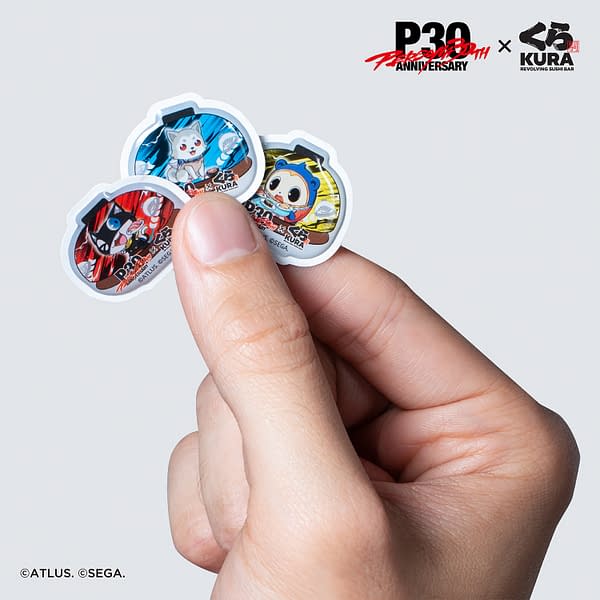
Know that feeling when a collaboration is just a logo slapped on a menu? This doesn’t sound like that. The Persona promo character aspect gives the campaign a clearer identity, and that matters for fans who care about presentation. In Japan, character-driven food tie-ins often become mini-collections. You come for the meal, but you also look for the artwork, the table materials, and any bonus goods that may appear with ordered items or campaign participation.
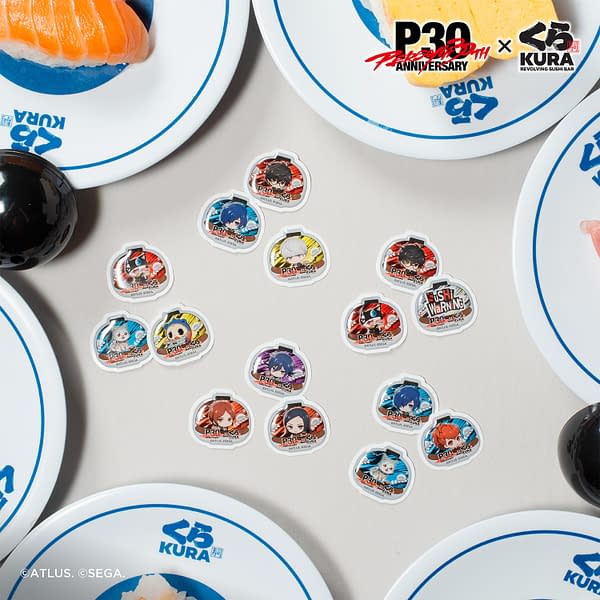
The reason is simple: Japanese fandom likes participation. A collaboration is strongest when the guest can do something specific, not just look at a poster. Order a themed plate. Check the design. Compare it with the original game visuals. For learners, that’s a useful habit too. If you read the Japanese product page, you can practise menu vocabulary, seasonal words, and promotional phrasing in a real context. That’s my absolute hidden gem when following food news from Japan. Sounds good, right?
There’s also a practical side. Limited-time menus can vary by location and sell out before the promotion ends, especially at busy urban branches. If you plan to try the Persona items, check the nearest Kura Sushi branch page first. In Japan, availability often depends on store size, stock, and local demand. You don’t want to arrive expecting the Calling Card Tuna Roll and find that the day has already run out. Wait, there's more.
What I especially like is that this campaign keeps the food names grounded in the franchise without making the dishes impossible to understand. The Weird Takoyaki Tempura Roll sounds playful, but still readable. The Calling Card Tuna Roll sounds thematic, but still like sushi. That balance is what good Japanese collaboration food usually aims for. It respects the source material, but it also respects the customer. And that’s why it works.
In pictures
Frequently Asked Questions
When does the Persona Kura Sushi campaign start?
The collaboration starts on August 1.
What are the featured menu items?
The highlighted items include the Weird Takoyaki Tempura Roll and the Calling Card Tuna Roll.
Why do Japanese chains use so many limited collaborations?
They create urgency, attract repeat visits, and give fans a reason to engage with the brand in person.
If you want to keep following Japanese food and pop culture news, you can find more Japan news on jpnerd.com.