
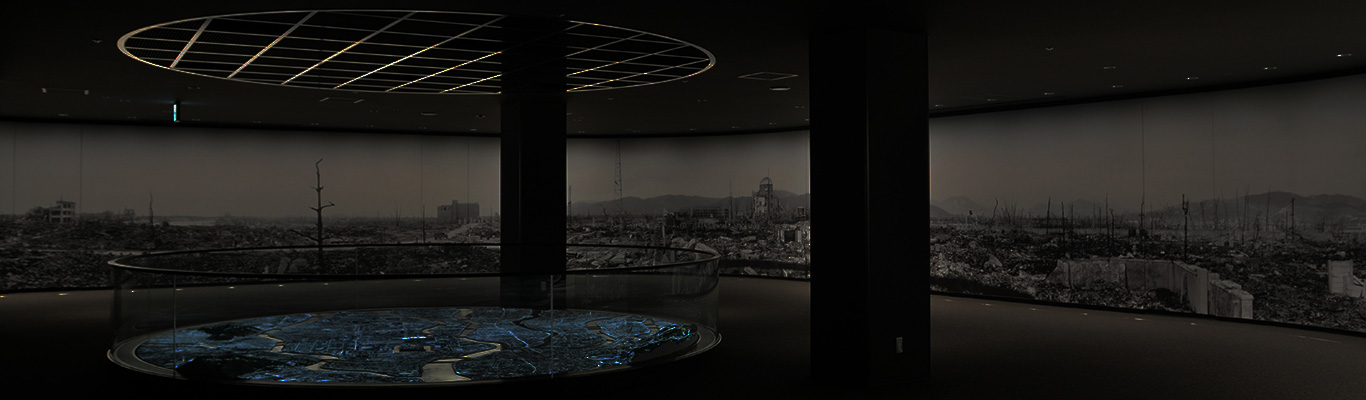
This year marks the 81st anniversary of the atomic bombing of Hiroshima. One of the most moving parts of that remembrance is still surprisingly simple: children’s peace messages, written in plain words and carried forward year after year.
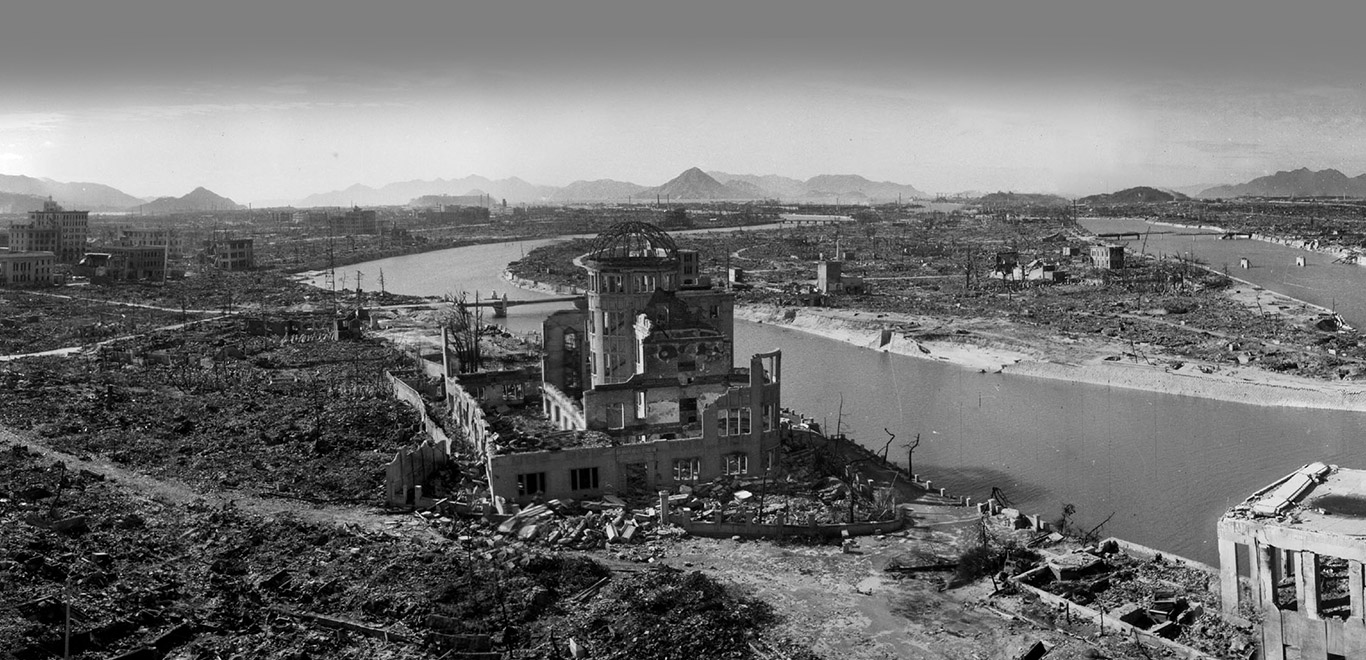
I’m at Hiroshima Peace Memorial Park, and the first thing that gets me is the quiet. Not empty quiet. The other kind. The kind that makes you notice a bent railing, a preserved dome, and a lunch container that tells a bigger story than it should have to.
Hiroshima at 81 isn’t just a date on a calendar. It’s 6 August 1945, 8:15 a.m. exactly, and the moment the city changed in seconds. If you learn Japanese, that time has a kind of hard edge to it: 八時十五分 (hachi-ji juugo-fun, 8:15). People in Hiroshima still say it with care, because time here isn’t abstract. It’s a point in the day, and then a before and after. That’s it.
Hiroshima at 81: why 8:15 still matters
On 6 August 1945, the United States dropped the atomic bomb nicknamed Little Boy over Hiroshima. The bomb exploded above the city at around 580 metres. Estimates usually place the immediate death toll at roughly 70,000 by the end of that year, with the total rising much higher in the months and years that followed. The number matters. But the exact minute matters too.
The reason is simple: 8:15 is where memory becomes specific. A wide historical event turns into one moment, one street, one school route, one breakfast that never got finished. I should mention here that this is why memorial language in Japan often feels so precise. There’s a strong cultural habit of naming the exact place, the exact time, the exact object. It turns out that precision can be a form of respect. Not bad, right?
The bento box as a symbol of burned everyday life
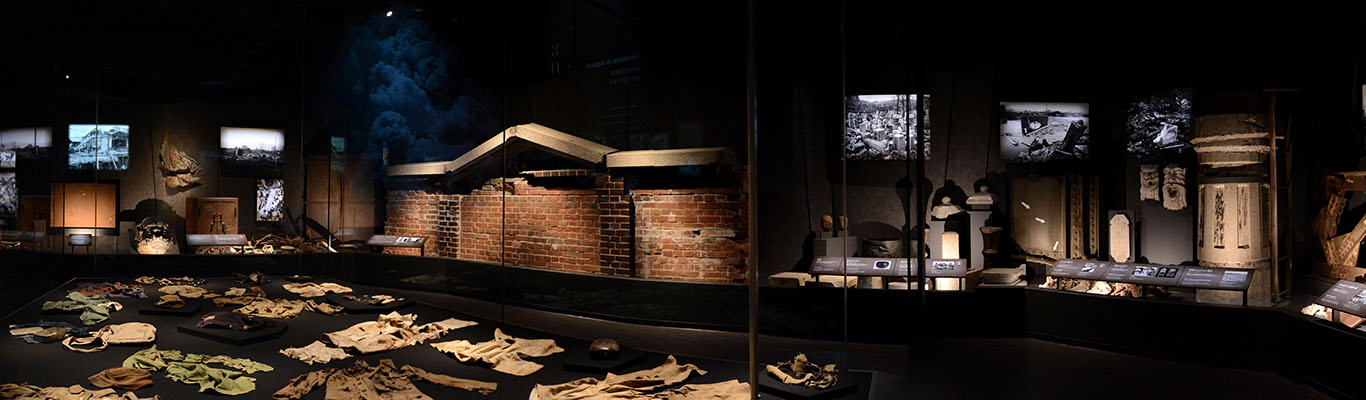
By the way, the 弁当 (bento, lunch box) box in Hiroshima memorial collections is one of those objects that does more work than a whole wall of text. A lunch box sounds ordinary. That’s the point. It belonged to an ordinary child, a student, or a worker. Then the blast came, and the bento became evidence of daily life interrupted at 8:15.
At Hiroshima Peace Memorial Museum, visitors often stop at these preserved objects. Some are blackened containers, warped metal, or a set of scorched chopsticks. They aren’t displayed for shock. They’re there because small things are easier to carry into your mind than numbers alone. A school satchel does the same work. So does a melted bottle, or a torn uniform. Compared with back home, where museums often separate history from lunch, Hiroshima makes the ordinary itself historical.
Here’s the catch: the bento box is also useful as a learning image. If you’re studying Japanese, you already know bento as a word for a packed meal. In Hiroshima, that word picks up an extra layer. It becomes a reminder that the people lost in 1945 weren’t symbols first. They were children, parents, commuters, neighbours. And yes, they had lunch plans. That detail sticks.



Children's peace messages and the work of remembering
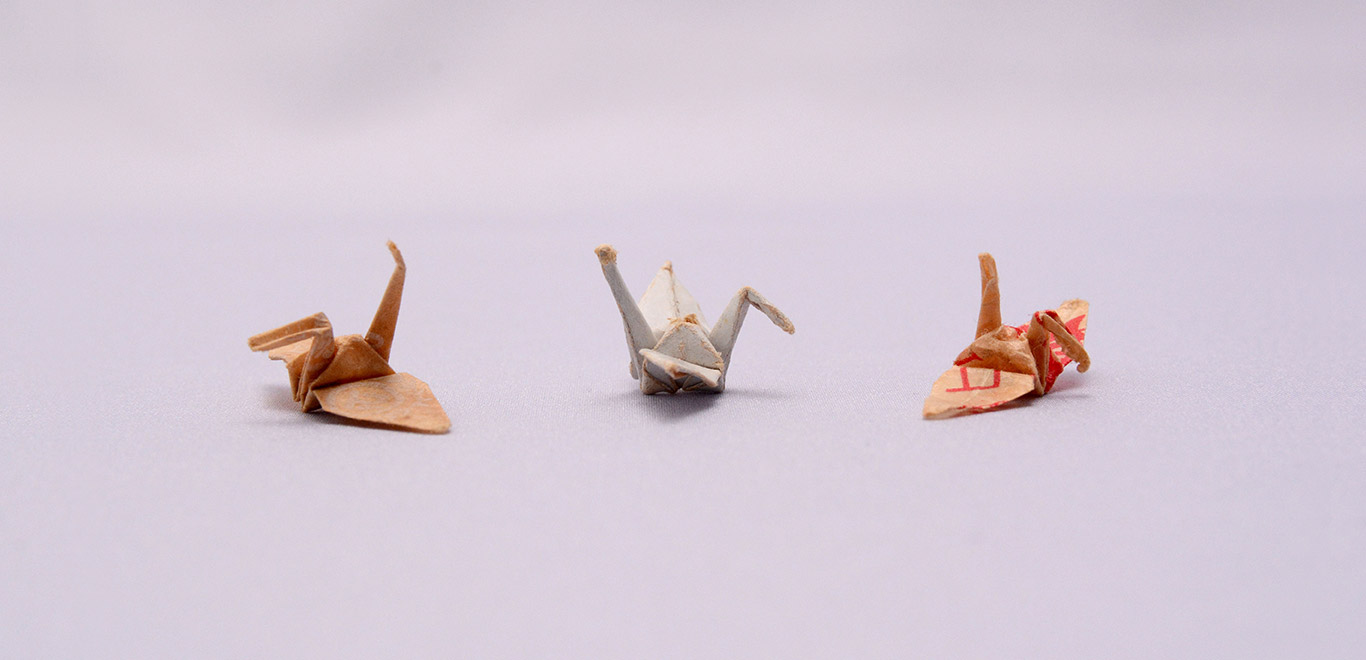
What I especially like is the way Hiroshima remembrance keeps making room for children. Not in a sentimental way. In a practical one. Every year, schoolchildren in Japan write peace messages, make paper cranes, and read statements at memorial events. These aren’t polished speeches. They’re often plain, direct, and slightly awkward. Which is perfect. Memory doesn’t need to sound like a press release.
Why children’s words carry so much weight
Trust me on this one: children can say things adults avoid. They say that war is scary. They ask why cities are bombed. They say they want friends to live. In Hiroshima, that simple language has become part of remembrance culture. The city’s annual Peace Memorial Ceremony includes messages from young people, and many local museums display drawings or essays by school students. The effect is steady, not theatrical. Simply brilliant.
The best part: these child-made texts keep the past from hardening into a fixed monument. They remind you that remembrance is active. Someone has to write it, read it, and hand it on. That’s true for Japanese history more broadly, by the way. Stories survive because people keep retelling them, often in smaller formats than you expect: notebooks, local exhibits, class essays, shrine plaques. Wait, there’s more.
What Hiroshima teaches Japanese learners and Japan fans
Unlike what we’re used to, Japanese memorial language often leans on understatement. Words like 思い (Omoi, thought; feeling), 刻む (Kizamu, to carve; to engrave), and 伝える (Tsutaeru, to convey) appear again and again in peace contexts. Omoi is thought or feeling. Kizamu means to carve or record. Tsutaeru means to convey. These are useful words to know because they show up in speeches, museum labels, and public signs. You’re not just learning vocabulary here. You’re learning a way of framing memory.
And there’s a cultural detail worth knowing: many Japanese remembrance practices value repetition over flourish. Annual ceremonies. Repeated phrases. The same bells, the same minute of silence, the same route through the park. It sounds modest. It is. But it also builds continuity. When Hiroshima is marked at 81 years, the point isn’t to close the book. The point is to keep the page open.
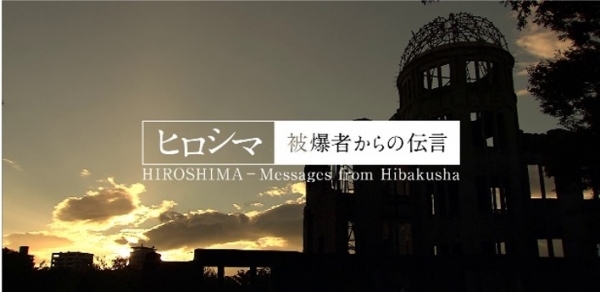
My tip: if you ever visit Hiroshima, go early. Stand by the A-Bomb Dome before the crowds thicken. Then visit the museum, and give yourself time with the small objects. The bento box may be the thing you remember most. And that’s a little unsettling, which means it’s doing its job. From my experience, the quietest displays often stay with you longest. Personally, I think that’s Hiroshima’s real lesson.
Frequently Asked Questions
Why is 8:15 a.m. so important in Hiroshima?
That was the exact time the atomic bomb exploded over Hiroshima on 6 August 1945. It marks the moment the city was changed forever.
Why do museums show everyday objects like bento boxes?
Because ordinary objects make history concrete. A damaged lunch box shows that the bombing interrupted daily life, not just buildings and institutions.
How do children’s peace messages fit into Hiroshima remembrance?
They keep memory active and accessible. Their plain words help pass the lesson on to new generations.


