Finding Wagyu Ramen Goku: Shibuya's Best-Kept Ramen Secret
Most visitors to Shibuya never wander far from the famous Scramble Crossing or the neon-lit chain restaurants clustered around the station's east exit. But walk a few minutes toward 宮益坂 (Miyamasuzaka) — the sloping street that runs northeast from Shibuya Station toward Omotesando — and you step into an entirely different culinary world. This stretch has quietly been attracting independent, owner-operated restaurants for years, offering a sharp contrast to the tourist-facing ramen chains that dominate the area around Shibuya Hikarie.



Wagyu Ramen Goku sits along this corridor, away from the main pedestrian flow, which is precisely what makes finding it feel like a discovery. There are no towering billboards, no English menus hanging in the window to lure passing tourists. If you find it, you probably looked for it — or got lucky. For ramen hunters who've already ticked off Ichiran and Fuunji and are wondering "what's next?", Miyamasuzaka is a strong answer, and Goku is one of its most interesting residents.

The Dragon Ball Connection: Why the Name 悟空 Is Genius Restaurant Branding
Let's talk about the name, because it's doing a lot of heavy lifting. The restaurant is called 悟空 (Gokū) — the exact name of Son Goku, the protagonist of Akira Toriyama's Dragon Ball series, which first aired as an anime in 1986 and has been a cornerstone of global pop culture ever since. This is no accident. It's a deliberate nerd-culture hook that appeals simultaneously to anime fans, food lovers, and anyone who appreciates a good cultural pun.
The kanji breakdown is worth a look for Japanese learners. 悟 (go) means "enlightenment" or "to perceive/understand," while 空 (kū or sora) means "sky" or "emptiness." Together, 悟空 carries a Buddhist philosophical meaning — it's actually the Japanese rendering of Sun Wukong, the Monkey King from the 16th-century Chinese novel Journey to the West, from which Toriyama drew direct inspiration for his character. So the restaurant's name ties together classical literature, anime culture, and premium Japanese beef in a two-kanji combo. That's efficient branding by any measure.

For an audience that loves the intersection of Japan's pop culture and everyday life, this kind of naming is a perfect example of how contemporary Japanese businesses embed references into their identity — something you'll notice all across Tokyo once you start paying attention.
The Bowl Itself: What Makes Wagyu Ramen Different?
A5 Wagyu in a Ramen Bowl – Culinary Fusion or Gimmick?
Here's the genuinely interesting culinary question: does 和牛 (wagyu, literally "Japanese cattle") actually belong in a ramen bowl? Traditionally, wagyu — especially A5 grade, the highest tier on Japan's beef marbling scale — is served as teppanyaki, sukiyaki, or shabu-shabu: preparations that showcase the meat's extraordinary fat content and tender texture. At a dedicated wagyu restaurant, a single A5 portion can run anywhere from 5,000 to 10,000 yen or more. Putting it in a ramen bowl is a bold move.
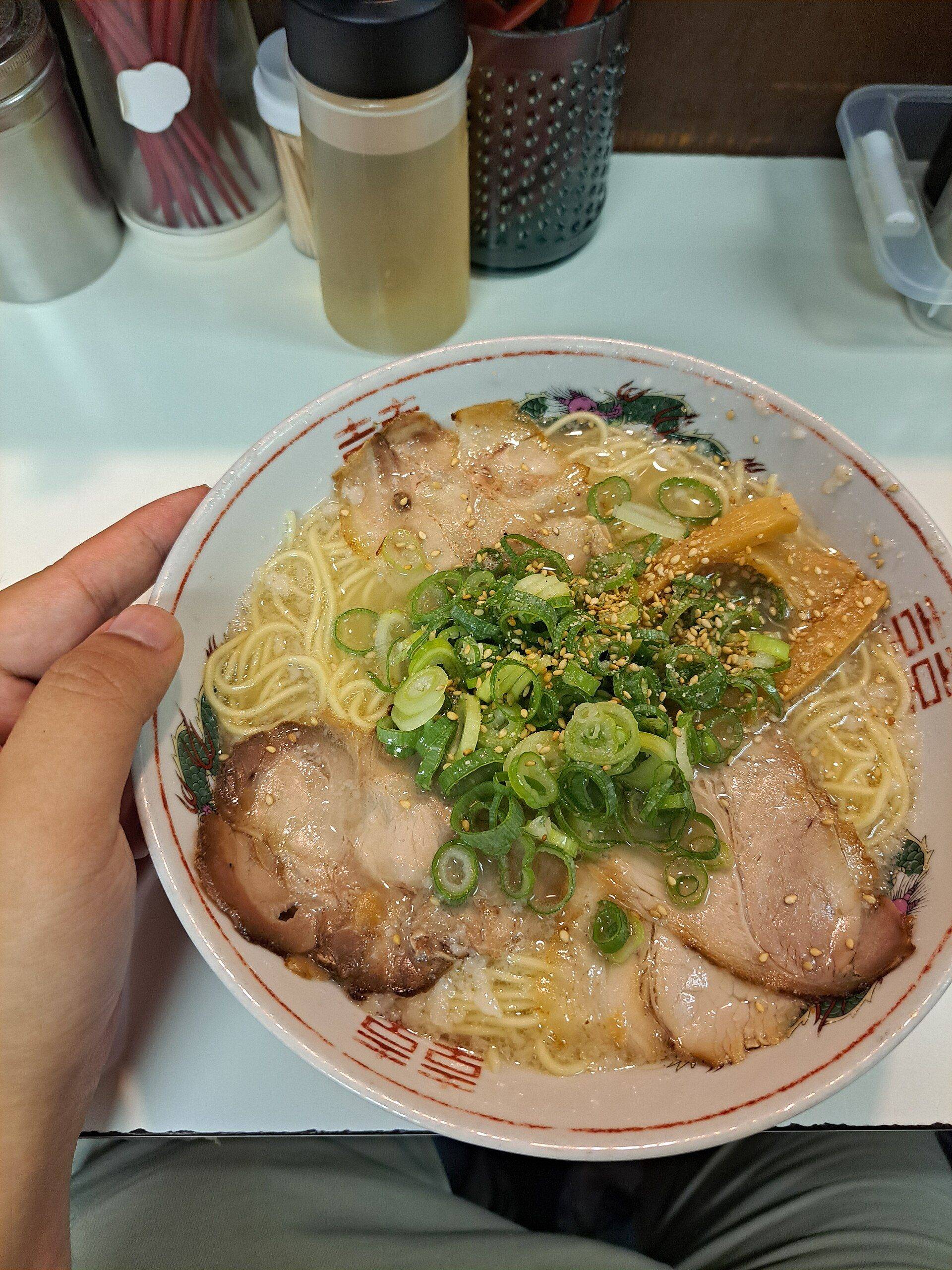
At Wagyu Ramen Goku, the concept goes well beyond simply dropping a slice of meat into a standard noodle soup. The broth itself is built on a wagyu bone-and-fat base, which shifts the flavor profile dramatically away from the meaty richness of tonkotsu or the soy-layered depth of shoyu ramen. The result is something closer to a refined beef consommé — cleaner, less aggressively fatty, with a deep umami that lingers rather than overwhelms. It's a legitimate culinary statement, not a marketing gimmick. The 拉麺 (rāmen) here is doing something genuinely distinctive within Tokyo's fiercely competitive ramen scene.




Value and the "Tokyo on Ten" Context
The YouTube series Tokyo on Ten — which documents Tokyo food experiences with a focus on maximum value, often in the under-1,000-yen (roughly 6 EUR) price range — has featured Wagyu Ramen Goku, and that context creates a fascinating tension. Wagyu and budget eating aren't natural partners. A5 wagyu ramen at this level will cost you noticeably more than a standard bowl at a chain shop, likely in the 1,500–2,500 yen range depending on your order. But the "value" framing still holds: you're accessing wagyu-quality ingredients and a handcrafted wagyu broth at a fraction of what you'd pay at a dedicated beef restaurant. From that angle, it's actually one of the most accessible entry points into Japan's wagyu culture.
Japanese Vocabulary for Your Ramen Order at Goku
If you're visiting Tokyo and want to order confidently at Wagyu Ramen Goku — or any other ramen shop — here are some key terms worth knowing before you walk through the door.

渋谷 (Shibuya) = the famous Tokyo district and entertainment neighborhood where the restaurant is located. Knowing how to read and write these kanji will help you navigate train tickets and map apps with a lot more confidence.
When ordering, you'll likely encounter options for broth intensity and noodle firmness. A useful phrase is 麺の硬さはどうしますか (「)?」(Men no katasa wa dō shimasu ka?) — "How would you like the firmness of the noodles?" Standard answers are 普通 (futsū, normal), 硬め (katame, firm) or 柔らかめ (yawarakame, soft). You may also be asked about soup richness: 濃いめ (koime, rich/strong) versus 薄め (usume, light/mild).
For the truly dedicated Japanese learners, visiting a specialist ramen shop like Goku is excellent immersion practice: the vocabulary is highly specific, staff interactions are short and formulaic, and the menus reward kanji recognition. It's exactly the kind of real-world context no textbook can replicate.
In pictures



Frequently Asked Questions
Where exactly is Wagyu Ramen Goku in Shibuya?
Wagyu Ramen Goku is located near Miyamasuzaka (宮益坂), the street that runs northeast from Shibuya Station toward Omotesando. It sits away from the main tourist flow around Shibuya Scramble, making it a quieter, more local experience than the chain ramen shops near the station's southern and eastern exits.
Is Wagyu Ramen Goku expensive compared to regular ramen shops in Tokyo?
Yes, expect to pay more than at a standard chain like Ichiran. A bowl will likely run in the 1,500–2,500 yen range, reflecting the use of A5 wagyu beef and a handcrafted wagyu bone broth. That said, it's still considerably cheaper than eating A5 wagyu at a dedicated teppanyaki or sukiyaki restaurant, where a single portion can cost 5,000–10,000 yen.
Does the Dragon Ball reference mean anything in Japanese, or is it just a marketing gimmick?
It actually has real meaning. 悟空 (Gokū) combines the kanji for "enlightenment" (悟) and "sky/emptiness" (空), derived from the Buddhist-influenced name of Sun Wukong, the Monkey King from the Chinese classic Journey to the West. Akira Toriyama used this name for his Dragon Ball protagonist in 1984. The restaurant leverages both the philosophical depth of the original name and its massive pop-culture recognition — a clever double-layered branding strategy.
For more Japan news on jpnerd.com, explore our latest coverage of Tokyo's food, culture, and language.
Sources
For more Japan news on jpnerd.com, explore our latest coverage of Tokyo's food, culture, and language.