Overview
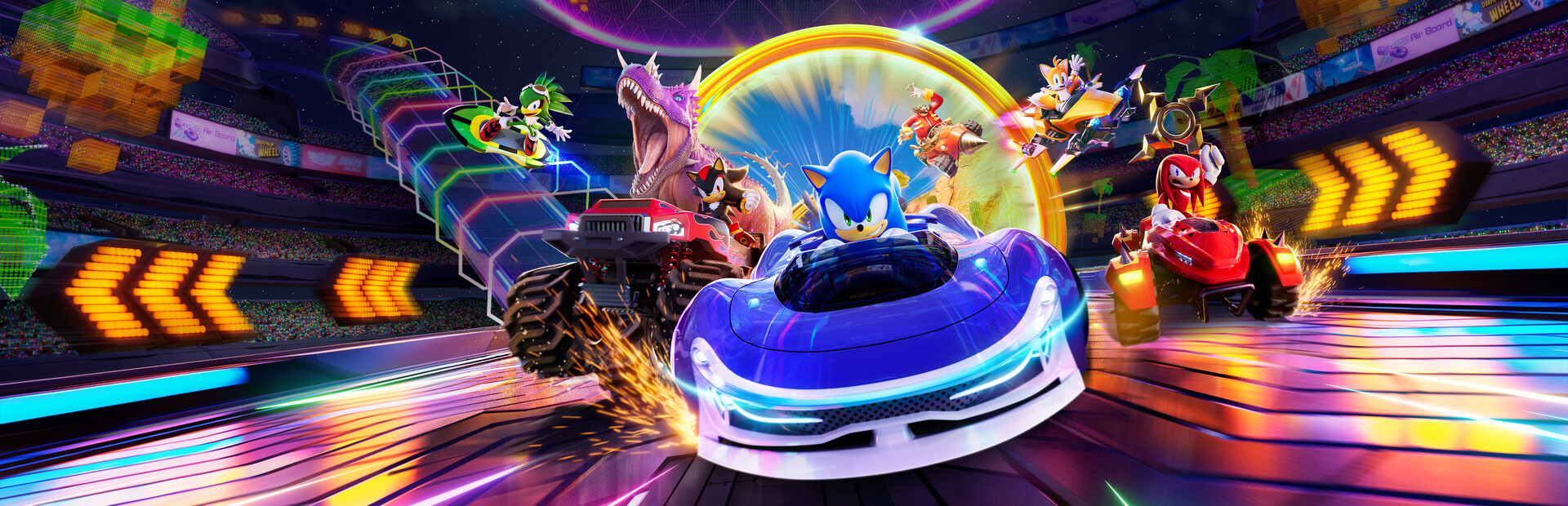
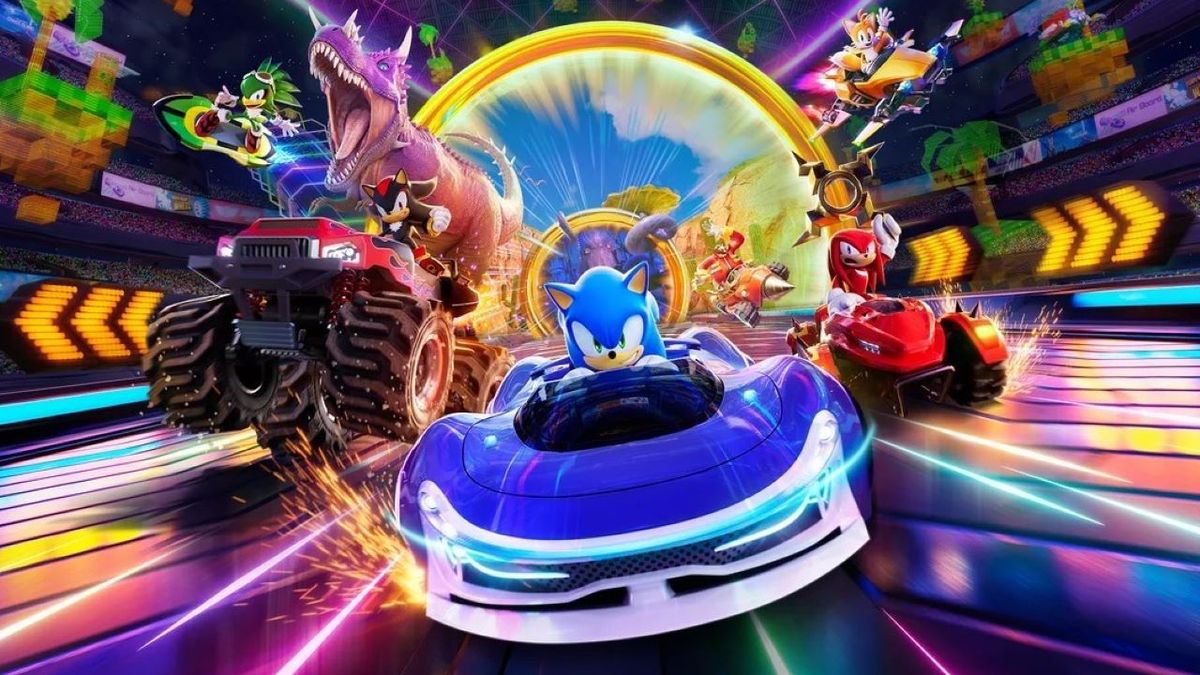
Sonic Racing: CrossWorlds is a Sonic Team kart racer published by Sega, and yes, it is very much aimed at people who wanted the old Sonic racing energy back, but with a bigger crossover appetite. It follows in the lane of earlier favorites like Transformed and Team Racing, except this time Sega has gone all-in on guest content and seasonal updates, which is either exciting or completely unhinged depending on how much faith you have in live content plans. I am, naturally, watching it with one eyebrow raised and the other one cheering.
For people searching for Sonic Racing CrossWorlds news, the big headline is that Sega has confirmed post-launch DLC and a seasonal roadmap. That matters, because this is not one of those vague, maybe-someday situations. The game is being treated like a platform for crossover packs, and that shapes both the conversation around the Sonic Racing CrossWorlds release date and the long tail of what you can expect after launch. If you want the current context in one place, this Switch 2 guide on DLC and crossovers is a useful companion read.

There is also a lot of chatter around Sonic Racing CrossWorlds leak language, especially because fans love to spiral whenever crossover names start floating around. Some of that speculation has now been overtaken by confirmed announcements, but it is still worth separating confirmed content from rumor. The game’s Japan-pop-culture angle, including the Evangelion crossover, fits Sega’s broader habit of using recognizable IP to make a kart racer feel weirdly celebratory, like a festival where everyone showed up in costume and nobody thought to ask questions.
How the racing actually plays
At its core, this is an arcade-style racer built around speed, chaos, power-ups, loopings, and mid-air tricks. Grand Prix mode is structured into 7 cups with 4 races each, while online play stretches into World Match, Friend Match, and Race Park party mode. Up to 12 players can race online, and local split-screen supports up to 4 players, which is exactly the kind of number that turns a living room into a little disaster zone in the best possible way.
The track structure is worth paying attention to, because it is not just a pile of unrelated courses. Sonic Racing: CrossWorlds launched with 24 tracks, plus 15 additional secondary CrossWorlds locations that can be reached mid-race through Travel Rings, creating up to 39 track combinations total. That is a smart way to keep races feeling alive without pretending the game has a billion standalone courses. It does not. And that is fine. What it does have is motion, surprise, and the kind of pace that makes you forget to blink.
One thing fans have noticed, though, is what is not in the game. Rail grinding, a feature many people associate with earlier Sonic racing or Riders titles, is notably absent. So if that mechanic is your personal make-or-break, well, I hate to be the bearer of bad vibes, but this is not that game.
Why the crossover strategy matters
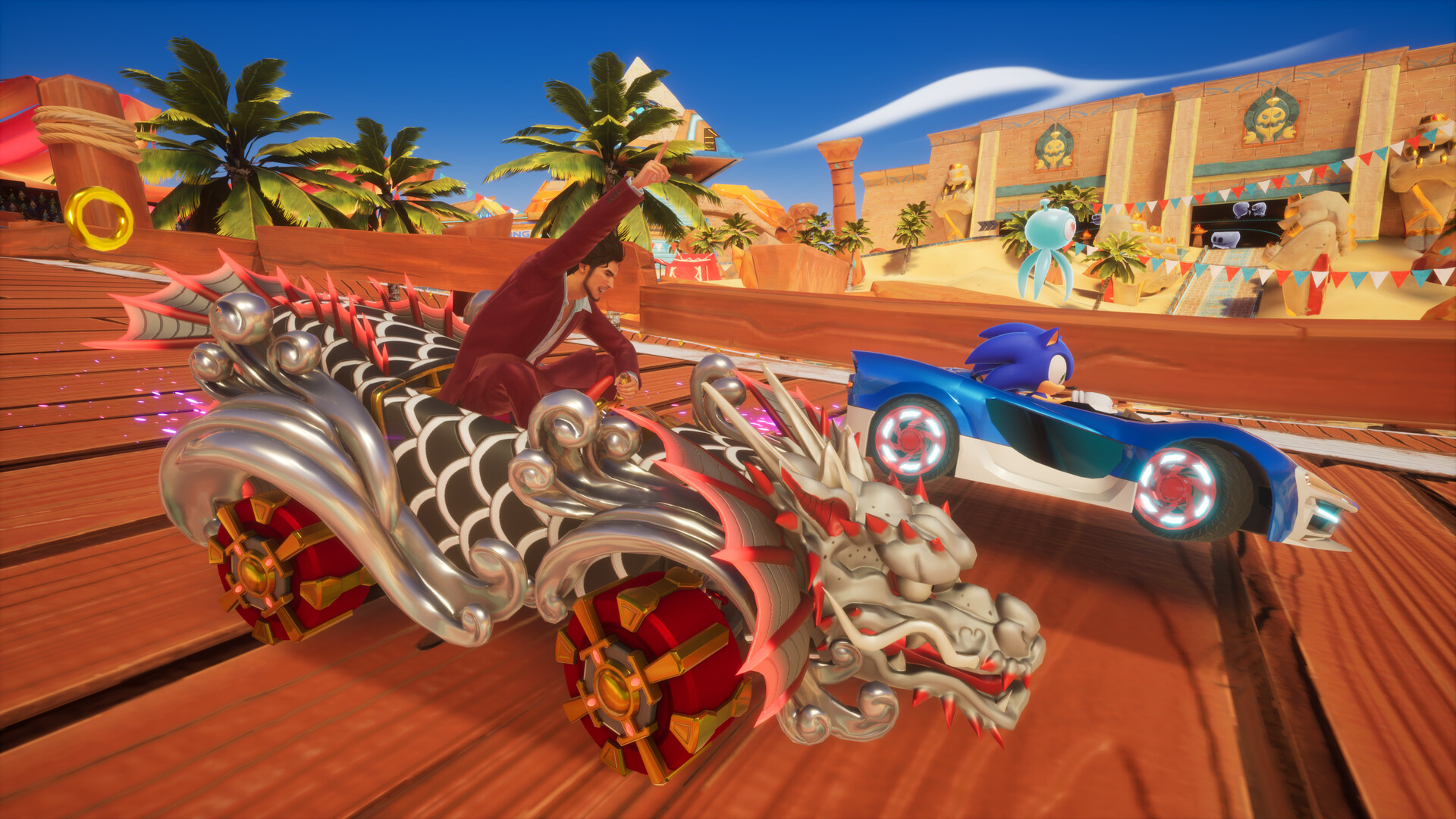
The guest content is the real hook here, and Sega knows it. The confirmed crossover direction includes Godzilla and Evangelion DLC, which already tells you the tone: big, iconic Japanese pop culture, heavy on recognition, and designed to make the roster feel larger than the core Sonic cast. Sega’s crossover history also gives this some context, because Persona-related appearances have shown up in other projects before, so this is not coming out of nowhere. It is more like Sega looking at its own weird little empire and saying, why not bring everyone to the track.
That is also where the phrase おもてなし (omotenashi, thoughtful hospitality; attentive welcome), meaning thoughtful hospitality, kind of sneaks in here. Not because the game is a hotel, obviously, but because crossover DLC like this works when it feels welcoming to different fandoms instead of just slapping logos on the side and calling it a day. A good きらきら (kirakira, sparkling; flashy; glittering), meaning flashy and sparkling in a pop-culture sense, crossover rollout makes people feel invited, not marketed at. If Sega keeps that balance, the whole thing could carry way harder than a standard season pass.
And here is where it gets interesting: the game reportedly includes Japan-themed presentation touches such as Shibuya-like track elements, Jingle remixes, storefront details, and idol-style billboards. Those specifics are still described as unverified, so I would treat them as rumor rather than fact, but they do fit the broader vibe of a Sonic racer trying to feel loud, urban, and a little bit pop-idol ridiculous. Honestly? That is exactly the kind of nonsense this series can survive.
Confirmed crossover content and roadmap timing
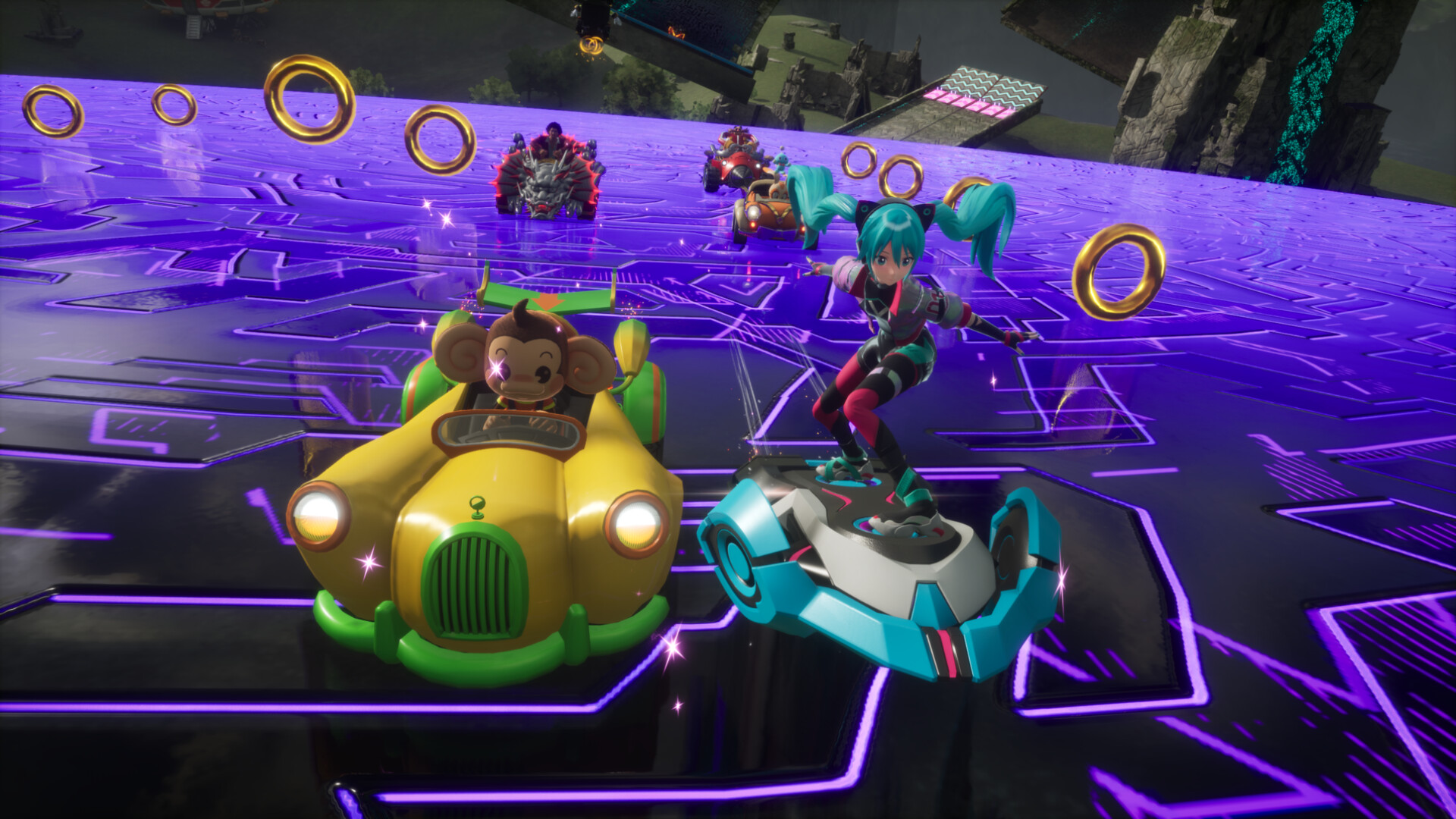
As of the confirmed announcements, Sega has locked in post-launch support with a seasonal roadmap and several crossover packs. The verified guest lineup includes Godzilla and Evangelion content, and Aigis from Persona 3 Reload is also joining the roster as part of the crossover expansion. That is already a strong enough lineup to make the DLC strategy feel more like the point than the side dish.
There is also a reported Year Two roadmap with specific 2027 release windows for future packs, including an Evangelion Pack in January 2027, a Virtual Sanrio Puroland update in Q2 2027, the Final Fantasy VII Remake-themed Midgar Pack in Q3 2027, and the Persona-themed Reload Revival Royal Pack in Q4 2027, plus Aigis as a free character in early 2027. Because these timing details come from roadmap reporting rather than a simple base-game feature list, I would treat them as roadmap guidance rather than a sacred promise carved into stone. Still, it is the clearest picture we have of the Sonic Racing CrossWorlds release date outlook for new content.
For ongoing coverage of the crossover lineup, the Godzilla and Evangelion DLC report is directly relevant, and this release and DLC roadmap overview helps place the broader seasonal plan in context.
Where to play, and what version to look for
If you are deciding where to buy Sonic Racing: CrossWorlds, the main question is which platform version best matches your setup. On Nintendo Switch 2, the game is reported to run more smoothly, with improved load times and generally stable 60 fps in most racing scenarios. There are also reports that steering feels more precise and input lag is lower than on the original Switch, though that part is still flagged as unverified. In plain English, the Switch 2 version sounds like the one to watch if handheld play matters to you and you care about responsiveness more than theoretical bragging rights.
That makes the purchase decision pretty straightforward. If you want the most stable experience for local play, online matches, and the general nonsense of boosting into a wall because you got greedy with a drift, the platform version matters. If you want the most current crossover roadmap and are mainly here for the guest characters, then the version that gives you the best performance for the hours you will actually spend grinding Grand Prix and online lobbies is the one to get. Simple. Sometimes consumer advice really is just, buy the one that feels less cooked.
Why this matters for Sonic fans and crossover fans alike
Sonic Racing: CrossWorlds matters because it is trying to do more than recycle nostalgia. It is positioning itself as the next big Sonic racer while also turning crossover culture into the main event. That is risky, sure, but it is also very Sega. And for fans of Evangelion, Persona, Final Fantasy VII, or Sanrio, the appeal is obvious: this is a game that wants to turn guest content into a reason to keep coming back.
As a result, the broader question around Sonic Racing CrossWorlds kanji searches or Sonic Racing CrossWorlds japanisch lernen queries makes sense too, because games like this often push players toward reading character names, collaboration titles, menu terms, and patch notes in Japanese contexts. If you are using the game to build vocab alongside fandom obsession, that is not weird at all. That is, frankly, a very normal and very respectable way to live.
At the end of the day, this is a crossover racer with real momentum, a clear seasonal plan, and enough Japanese pop-culture firepower to keep the conversation alive well past launch. I think I speak for a lot of Sonic sickos when I say that is the exact flavor of chaos we wanted.
Frequently Asked Questions
What kind of game is Sonic Racing: CrossWorlds?
It is a Sonic Team kart racer published by Sega, built as a successor to earlier Sonic racing games like Transformed and Team Racing.
How many players can race online?
Online multiplayer supports up to 12 players, while local split-screen supports up to 4 players.
Does the game have DLC and crossover content?
Yes, Sega has confirmed post-launch DLC and a seasonal roadmap, including Godzilla, Evangelion, Persona-related content, and additional crossover packs.
Is there a track editor or user-generated content?
No, the game does not include a track editor or community-created content system.
Where can I buy or play it?
You can buy it on the supported platforms, and the Nintendo Switch 2 version is reported to offer smoother performance, faster loads, and stable racing in most situations.