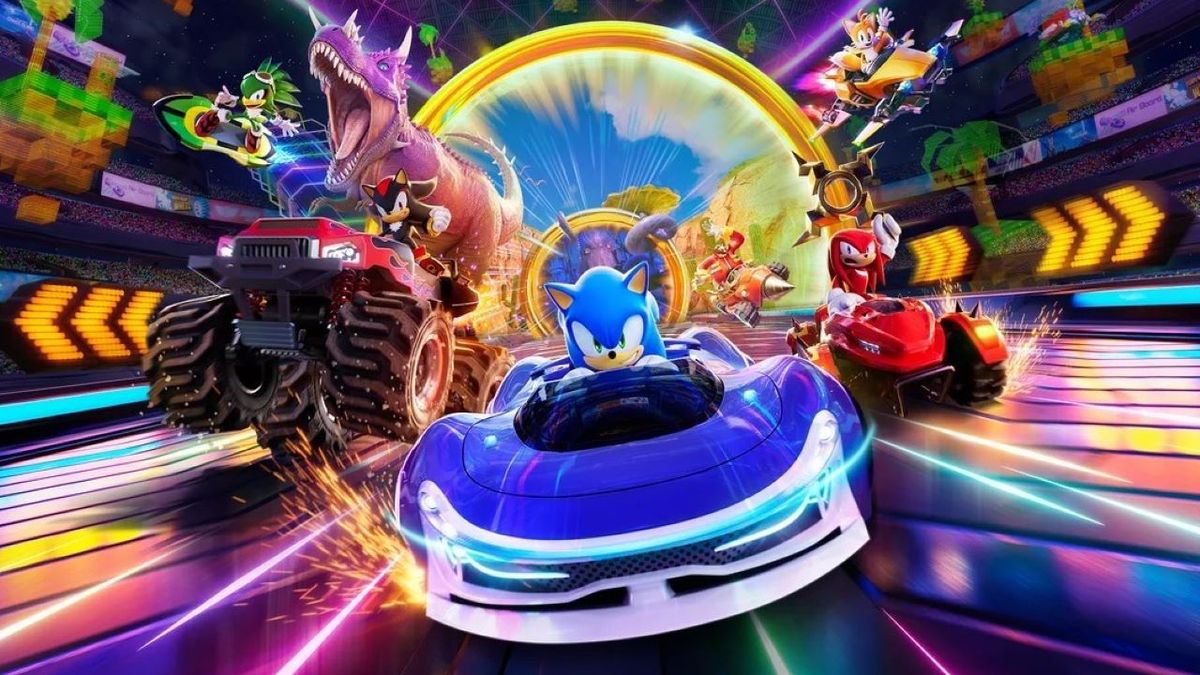
Sega updates Sonic Racing: CrossWorlds DLC roadmap
What most people don't know is that Sega has been one of Japan’s most durable game companies for decades. This kind of mid-cycle update is exactly the sort of thing fans watch closely. Sonic Racing: CrossWorlds sits in a long line of Sonic titles that keep the blue blur busy outside the main platform games. A revised DLC roadmap usually means Sega still sees strong momentum behind the release.
![Dragon Ball Z: Kakarot [Master Edition]](https://s.pacn.ws/1/p/1eh/dragon-ball-z-kakarot-master-edition-908785.1.jpg?v=t8ja8t&width=400)

The update matters because DLC roadmaps are more than just marketing calendars. They tell players what kind of post-launch support to expect, whether that means new characters, karts, courses, music, or seasonal content. For a franchise like Sonic, which has been moving between Japan and the wider world since the 1991 debut of Sonic the Hedgehog on the Sega Genesis, steady support helps keep the community active rather than letting the game fade after launch. My tip is to follow Japanese game news and watch these roadmap updates closely, because they often hint at how confident a publisher is in its current lineup.
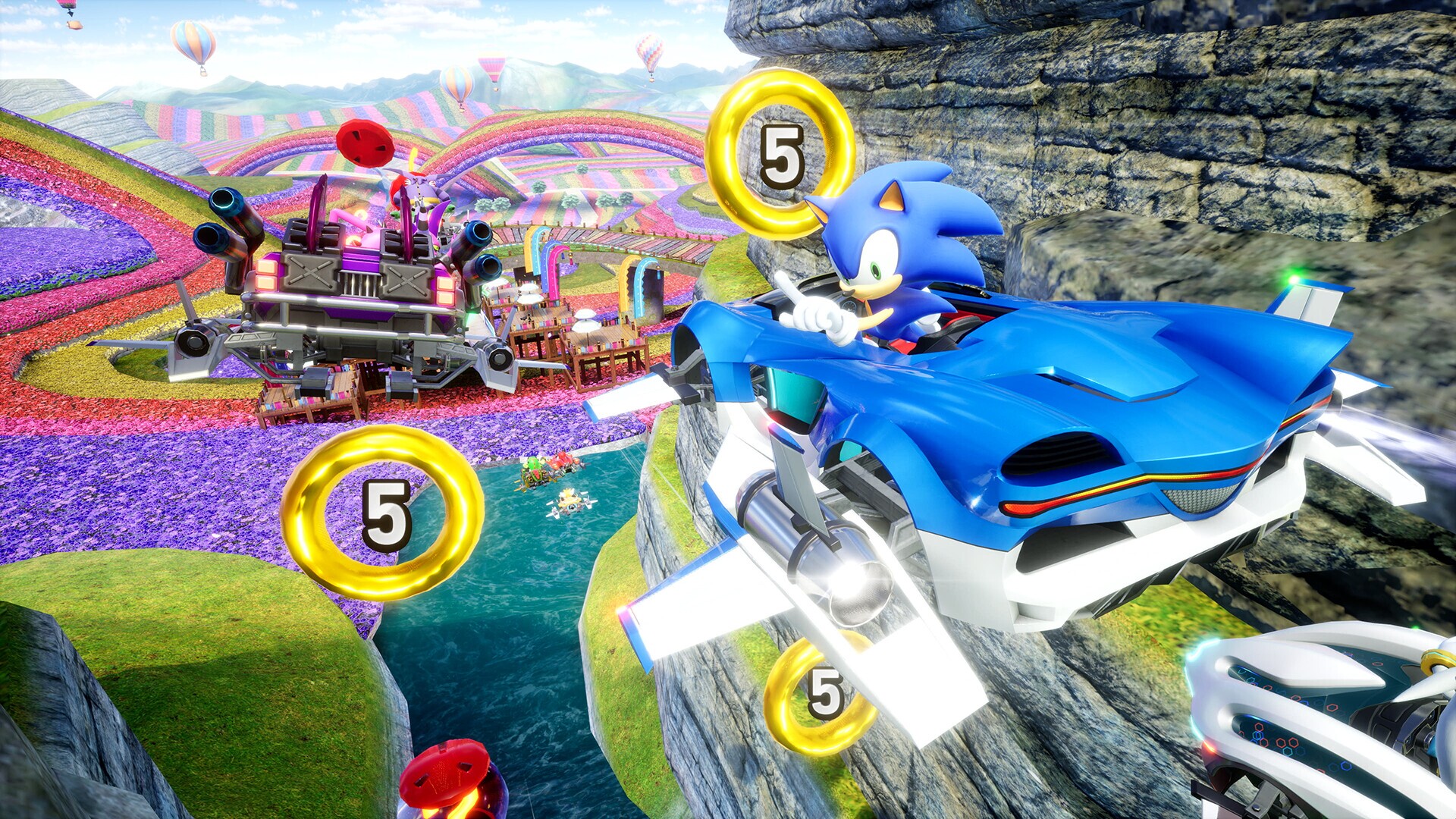
Why this matters for Sonic fans and Japan watchers
Here's the thing: Sega’s biggest brands have real staying power. Sonic, Like a Dragon, Puyo Puyo, and Persona all show how Japanese game companies often build fandom through long-term series management, not just one-off hits. Sonic Racing: CrossWorlds fits that pattern neatly because racing spin-offs can keep a franchise visible between major releases, and they’re easy for casual players to jump into.
From a Japan angle, this is also a nice reminder of how Sega still carries a certain (koushin, update) energy in the global market. The company was founded in 1960 and later became one of the names that defined arcade culture in Tokyo and beyond. So when Sega updates a roadmap like this, it’s not just a small patch note moment; it’s part of a bigger story about how Japanese entertainment brands stay relevant across console generations. See what I mean?
What DLC roadmaps usually signal
Pro tip: a revised DLC roadmap often means timing changes, content reshuffles, or both. It can also mean Sega wants to line up content drops with player peaks, maybe around holidays, major patches, or platform promotions. For fans, that usually translates into better pacing and fewer dry spells.
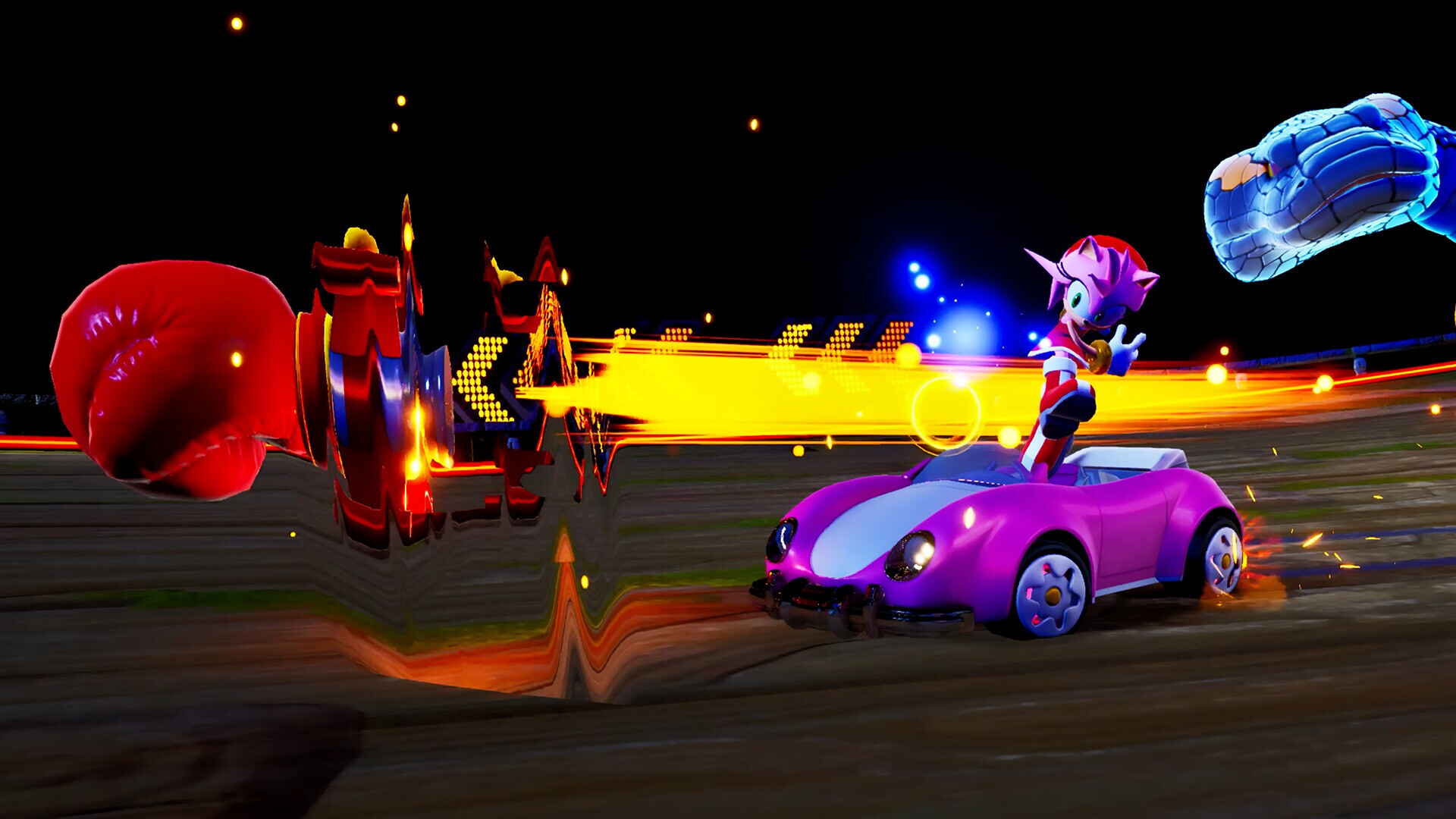
That brings us to the useful part because roadmap updates are also a good clue about value. If the game is planning a decent stream of additions, players who enjoy collecting characters or chasing records in racing games tend to get more out of the purchase. Wild, isn't it? A simple schedule graphic can say a lot about a publisher’s confidence.
The demo on selected platforms has also been updated
On a related note, Sega didn’t stop at the DLC plan. The company also updated the demo on selected platforms, which is a smart move if it wants fresh players to try Sonic Racing: CrossWorlds without committing straight away. Demos still matter, even in 2026, because they let people feel the handling, the speed, and the overall flow before they decide whether the game fits their taste.
Selected platform updates can also be a clue that Sega is still fine-tuning the first impression. Racing games live or die on feel, and if the demo reflects current content or balance changes, that can make a real difference. Highly recommended: if you’re the kind of player who likes to compare versions, check whether your preferred platform has the updated trial and see how it plays now.

Japanese learning angle: useful words from gaming news
Basically, this kind of article is a nice excuse to pick up some Japanese vocabulary that shows up all the time in gaming coverage. (geemu, game) means distribution or release, (DLC is often used as-is in Japanese news writing. You’ll also see
What I especially like is that learning these terms in context makes Japanese feel less abstract. If you read Sega or Nintendo news in Japanese, these words appear constantly, and they’re easy wins for learners. Try spotting them in headlines and release notes because that’s how the vocabulary sticks. From my experience...
Sega’s long-running brand power still matters
Know that feeling when a company update doesn’t look huge at first, but it tells you a lot about the health of a series? That’s this news in a nutshell. Sega keeps returning to Sonic because Sonic still works as a global mascot, and CrossWorlds is another example of how Japanese publishers keep legacy characters active through new formats.

There’s also a cultural layer here. Japanese game companies often treat major characters almost like seasonal fixtures, not unlike how fans look forward to annual events such as (ninki, popularity) in spring or summer festivals in late July and August. They come back, they get refreshed, and people notice. Sonic has that same kind of rhythm now, especially when post-launch content keeps the conversation alive.
No exaggeration: this isn’t the biggest Sega headline of the year, but it’s exactly the sort of steady, reassuring update fans like to see. Sega is still supporting its game, the demo got attention too, and that tells us the company wants Sonic Racing: CrossWorlds to keep rolling. My verdict:
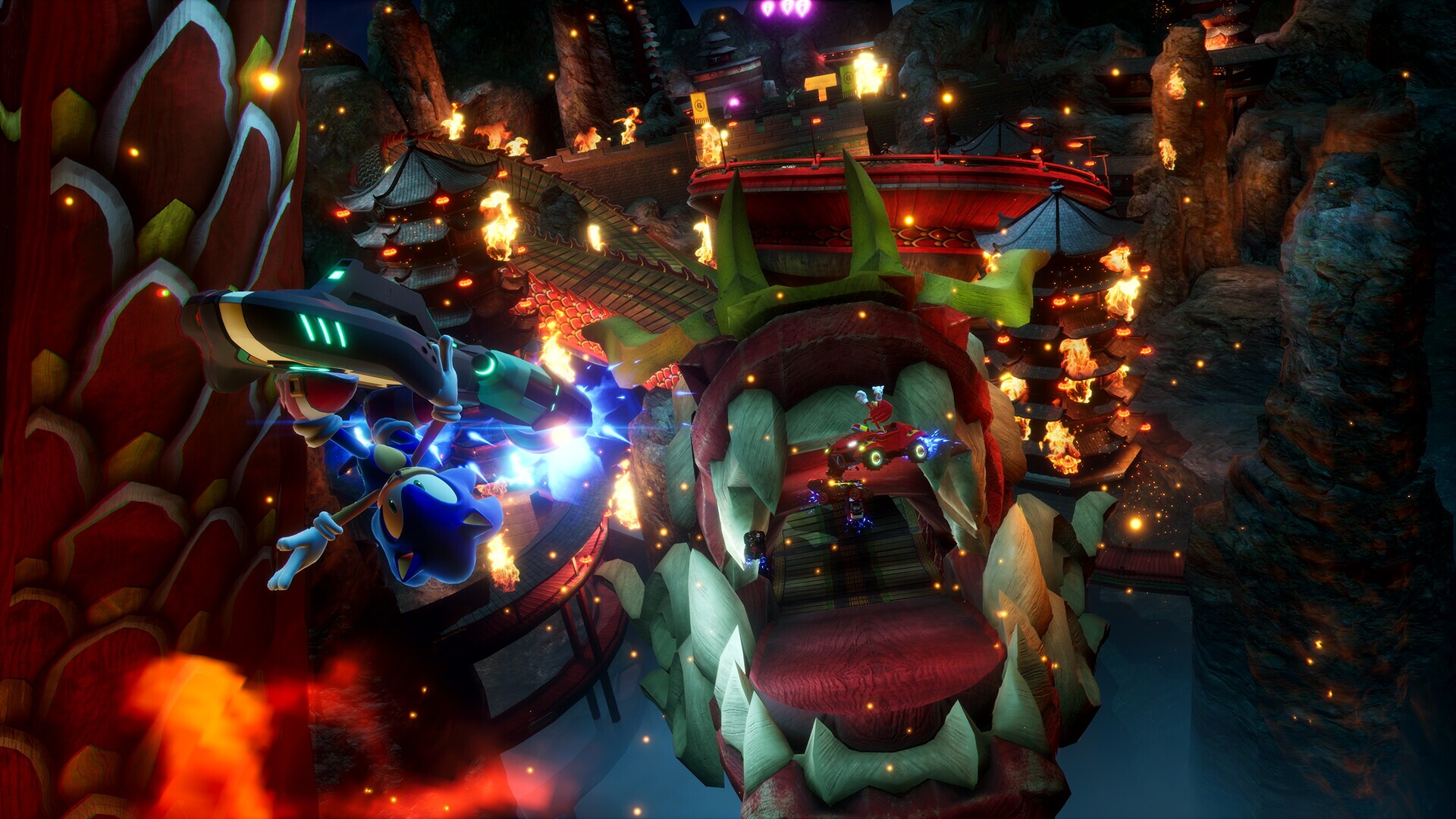
In pictures

Frequently Asked Questions
What did Sega update for Sonic Racing: CrossWorlds?
Sega updated the DLC roadmap and also refreshed the demo on selected platforms.
Why does a DLC roadmap matter?
It shows what kinds of post-launch content players can expect and can hint at Sega’s long-term support for the game.
Why is this relevant for Japan fans?
It’s another example of how a major Japanese company keeps its classic brands active and visible.