For Japanese learners, this is also a useful little reminder of how often pop-ups in Japan are built around limited-time flavours and brand collaborations. That makes the event easy to read, easy to track, and very worth noting if you follow Tokyo food news.



Shinjuku is getting a cookie roll pop-up with 抹茶 (matcha, powdered green tea) and 焙じ茶 (hojicha, roasted green tea), and the schedule is already set. If you’re planning a Tokyo food stop for late summer 2026, this is one to put on your list. The event runs from 29 July to 11 August 2026, and it brings a brand collaboration that should make sense to anyone who follows Japanese sweets closely.
This isn’t a vague seasonal tease. It’s got a clear location, a clear window, and a clear partner: THE MATCHA TOKYO. That makes it easy to track, whether you live in Japan or you’re planning a trip. For readers learning Japanese, the useful phrase here is senryo, or limited time. That idea sits behind a lot of pop-up culture in Japan. There’s more to it than that, though.
Shinjuku as the pop-up location
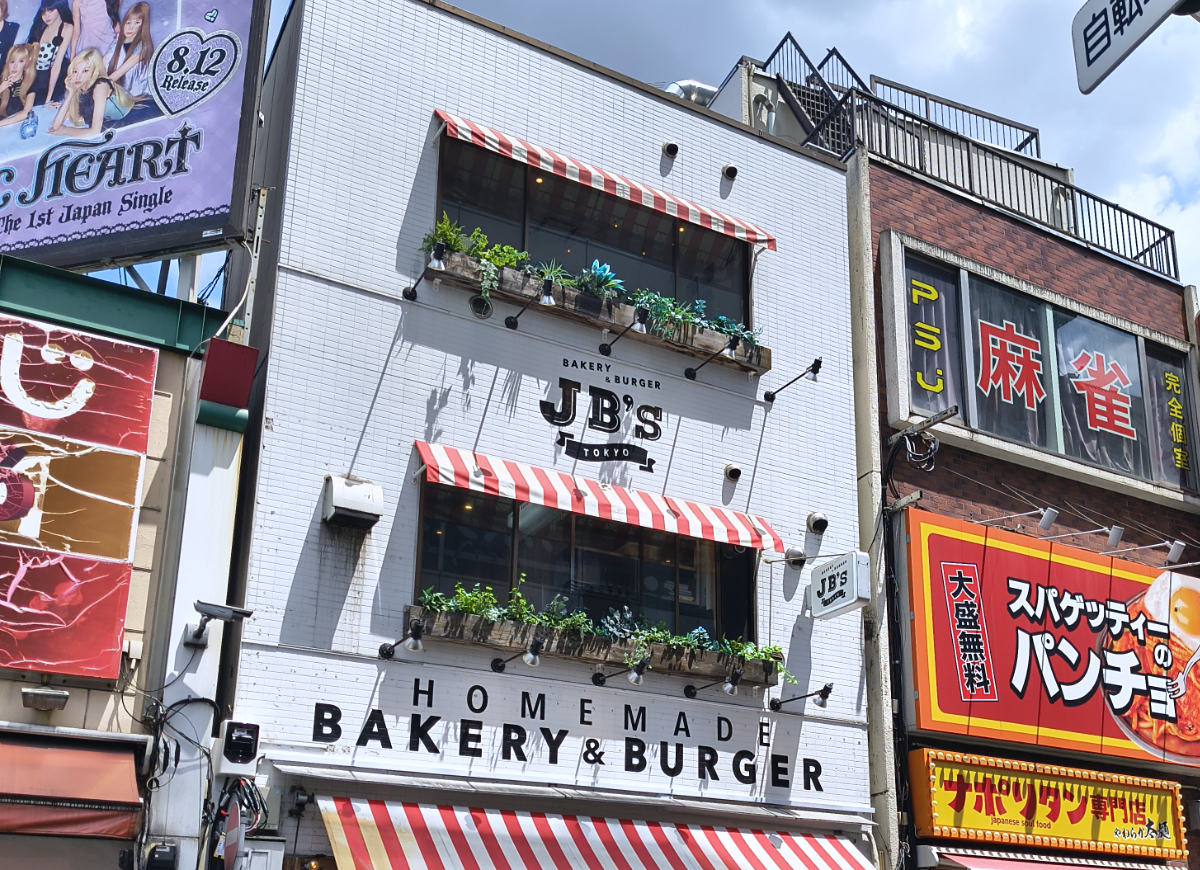
Shinjuku works well for this kind of event. It’s one of Tokyo's busiest districts, with constant foot traffic, major train links, and plenty of shoppers already moving between department stores, cafés, and station-area food spots. A pop-up here doesn’t need to explain itself. People will see it, line up, and move on with their day.
Compared with back home, Tokyo pop-ups are often more precise about place and timing. They don’t rely on broad “summer event” language. They give you a district, a date range, and a reason to go. That’s why Shinjuku matters here. It’s central, easy to reach, and strong enough as a food destination to support a short run like this. You see what I mean?
By the way, if you’re learning Japanese, Shinjuku is a good place to practise reading real-world signs. Station exits, floor guides, and shop notices often use short, practical wording. You’ll see words like 開業 (kaigyo, opening; business launch) for opening, 期間 (kikan, period; time span) for period, and 限度 (gendo) for limited. These are the kinds of terms that show up all the time in Japan news and event listings.
29 July to 11 August 2026: the full event window
Here’s the deal: the pop-up runs from 29 July through 11 August 2026. That’s a short run, just under two weeks, which is exactly the sort of timing that pushes people to visit quickly. In Japan, that kind of short sales window is part of the appeal. It creates a clear start and end point, and it keeps the product tied to the season.
The timing also fits summer sweets culture in Tokyo. Late July and early August are hot, busy, and packed with seasonal releases. That means a dessert with matcha and hojicha has to stand out on flavour, not just on novelty. I think that’s where this concept makes sense. Matcha gives depth and a clean green tea profile. Hojicha brings a roasted, slightly nutty note that feels calmer and less sharp.
Quick detour: if you’re reading Japanese product announcements, look for date formatting and the word kikan. Once you spot the time frame, the rest becomes easier to scan. That’s useful for menus, posters, and event pages. It saves time, and it helps you avoid missing short-lived items. But that’s not all.
THE MATCHA TOKYO collaboration and what it signals
The collaboration with THE MATCHA TOKYO is the part that gives this pop-up extra weight. Brand partnerships in Japan food culture are rarely random. They usually point to a specific flavour focus, a cleaner visual identity, and a stronger sense of seasonality. In this case, THE MATCHA TOKYO makes the matcha direction feel deliberate rather than decorative.



What I especially like is that the collaboration doesn’t try to overcomplicate the idea. It keeps the attention on tea flavour. That’s practical. It also fits the way many Japanese dessert brands work, where the ingredient itself is the main message. My tip: when you see a collaboration like this, check whether the partner brand is known for one core ingredient. That often tells you how serious the flavour profile will be.
Insider tip: for Japanese learners, brand names in food announcements are good vocabulary practice too. You’ll often see words like 食品 (shokuhin, food products) for food, kikan for period, and kaisai for holding an event. These are simple terms, but they appear constantly in real Japanese coverage. If you can recognise them, you can follow food news much faster.
Why matcha and hojicha work so well together
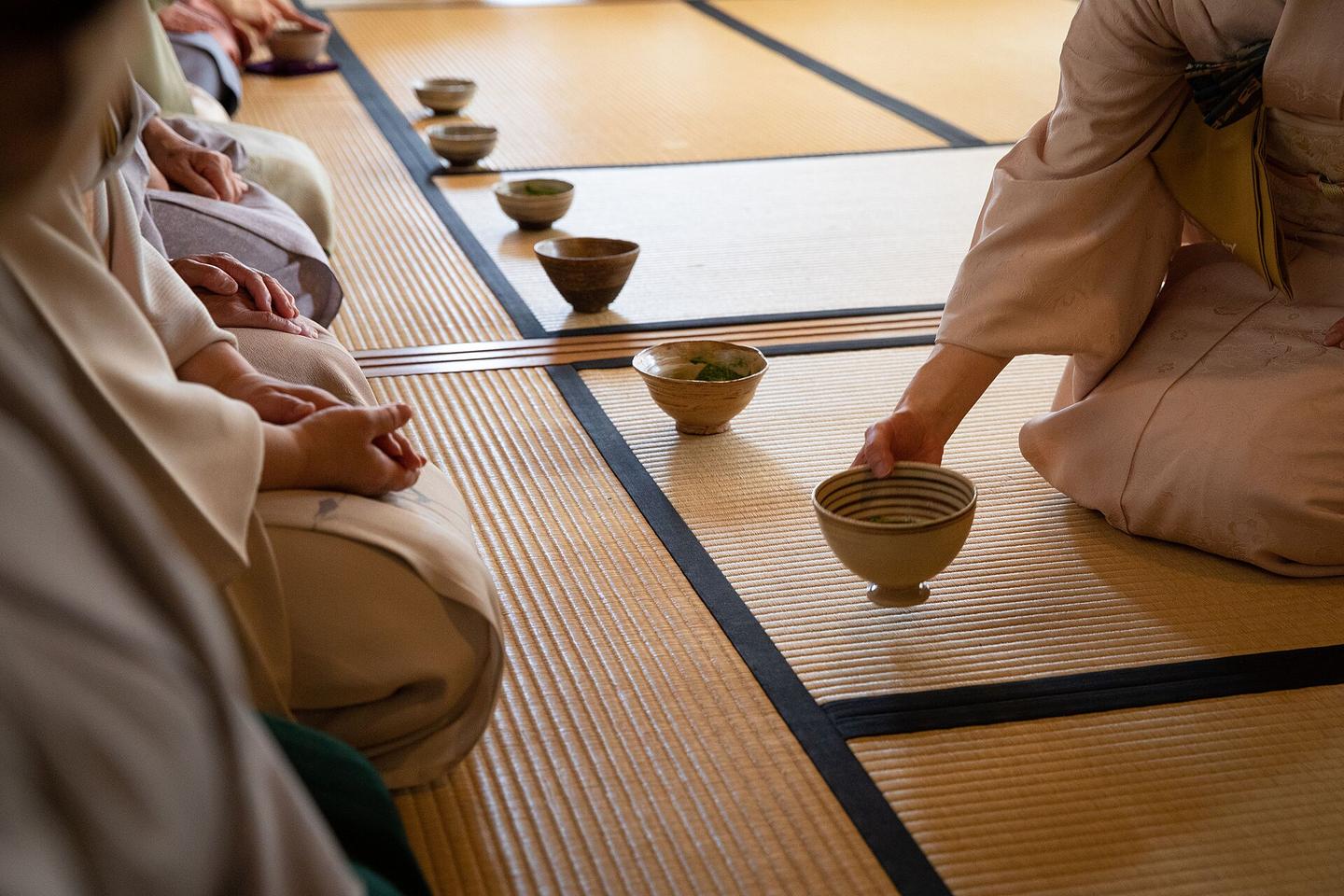
Imagine a narrow alley in Tokyo. A small sweets counter sits under bright signage, and the menu has only a few items, each one built around a clear flavour. That’s the right setting for matcha and hojicha. The two teas are related, but they do different jobs. Matcha is vivid, grassy, and direct. Hojicha is roasted, mellow, and a little smoky.
For a cookie roll, that balance matters. A cookie roll needs enough flavour to hold its shape against cream or filling, but it shouldn’t become heavy. Matcha can give structure. Hojicha can soften it. Together, they offer a pairing that feels classic in Japan, yet still easy for first-time visitors to understand. If you’ve only tried sweet matcha drinks before, this is a better place to meet the ingredient in dessert form.
Before I forget: if you’re choosing between the two, go for matcha if you want a brighter tea taste, and hojicha if you prefer something toastier. Both are common in Japanese cafés now, but they don’t always appear in the same product. That makes this kind of pairing worth noticing. It’s a small thing, but it tells you a lot about how Japanese seasonal sweets are planned.
How to plan a visit in Shinjuku
If you want to go, plan early in the run. Pop-ups in busy Tokyo districts can move quickly, especially when the brand pairing is strong and the flavour names are familiar. Shinjuku is easy to reach, but that also means more competition for the most popular items. If the cookie roll is limited, the first days are usually safer.
Keep your plan simple. Check the event hours before you go, allow extra time for station navigation, and be ready for a queue. If you’re learning Japanese, this is useful field practice. You can read the signage, compare the menu terms, and notice how food events are described in concise Japanese. That kind of real-world reading is often more useful than memorising lists. You see what I mean?
This pop-up is a good example of how Tokyo food culture works at street level. It’s location-specific, date-specific, and collaboration-driven. That’s why people pay attention. A short run in Shinjuku, from 29 July to 11 August 2026, with THE MATCHA TOKYO and two tea flavours that already have strong followings, gives you exactly the kind of Tokyo food news worth saving.
Frequently Asked Questions
Where is the pop-up taking place?
It is taking place in Shinjuku, Tokyo.
When does it run?
The pop-up runs from 29 July to 11 August 2026.
What are the special flavours?
The special flavours are matcha and hojicha.
Which brand is involved?
The collaboration is with THE MATCHA TOKYO.