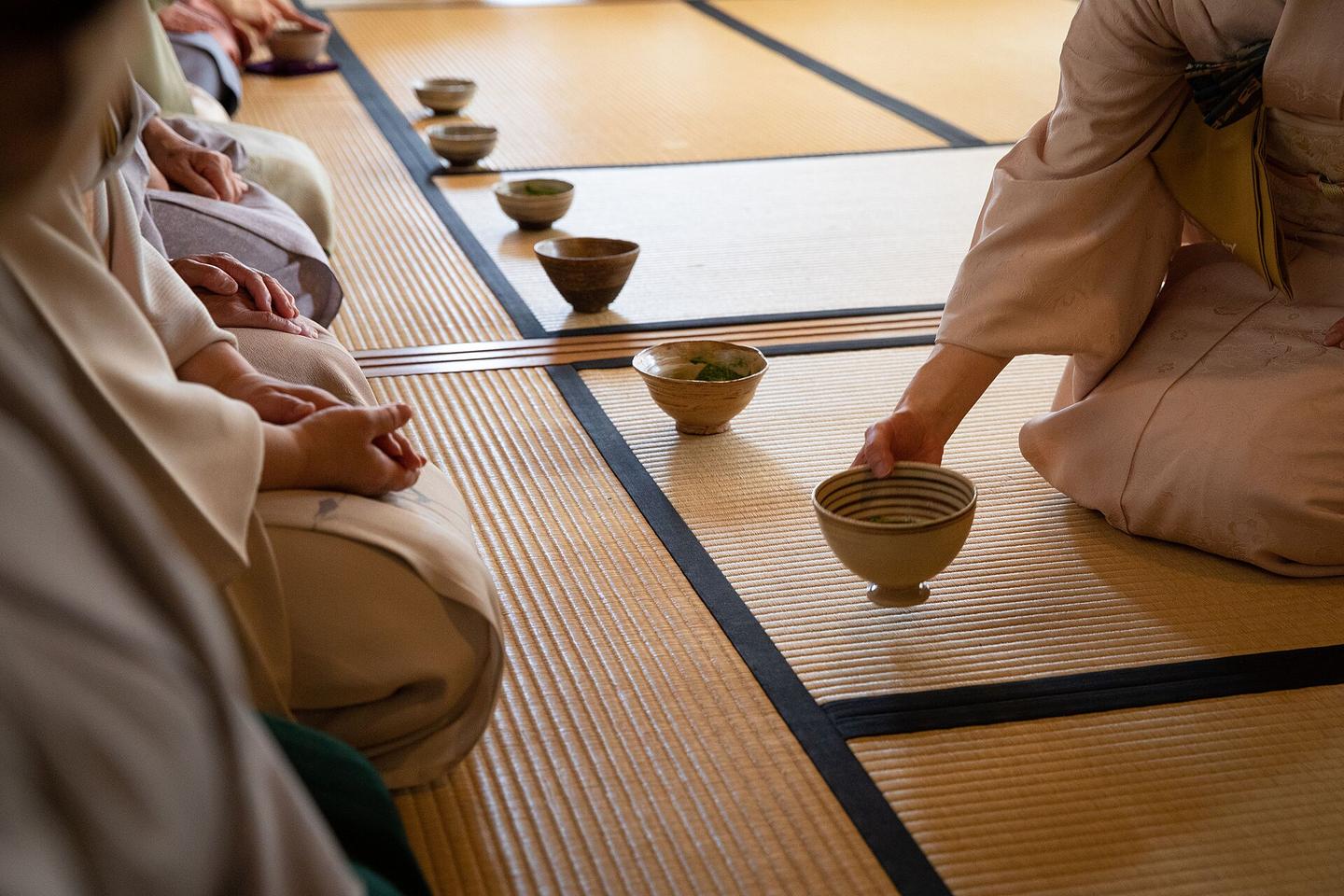
What most people don't know is that 抹茶 (matcha, green tea powder) desserts change mood as much as flavour. In early summer, they feel lighter, cooler, and a little more elegant, which is exactly why this seasonal lineup has such strong Japan-fan appeal.
Matcha Dessert Selection starts the early summer sweet season
Matcha Dessert Selection is the kind of seasonal announcement that gets Japan fans paying attention immediately. The reason is simple: these menus rarely stay long, and they often appear just as the weather turns warmer, when people start craving something cold, green, and gently bitter instead of heavy winter sweets.
Take ANA Crowne Plaza Fukuoka, for instance. Its restaurants have launched a limited-time matcha dessert programme tied to the early summer season, which in Japan often means a shift towards lighter textures and fresher presentation. The phrase early summer, or 初夏 (shoka) in romaji, matters here because it shapes the whole dessert style: less rich than winter cakes, more refreshing than autumn patisserie.
By the way, this is exactly the kind of seasonal food story that tells you a lot about Japan. A dessert isn't just a dessert, it's a small snapshot of the calendar, the weather, and the local mood. Personally, I think that's one reason matcha menus feel so satisfying; they connect taste with place and time. Simply brilliant.
Why matcha desserts work so well in early summer
No joke: matcha has a built-in advantage when the temperature rises. Its slight bitterness keeps the sweetness in check, so even creamy desserts don't feel too heavy. That balance is a big deal in Japan, where people often prefer sweets that look refined and taste clean rather than sugary overload.
What makes the flavour profile stand out
What most people don't know is that a good matcha dessert usually depends on contrast. Think matcha paired with white chocolate, 小豆 (azuki, red beans)-style sweetness, citrus, vanilla cream, or even a crisp biscuit base. The green tea note gives you depth, while the other ingredients soften the edge and make the dessert feel rounded.
Here's the catch: matcha isn't one-note when it comes to dessert design. In a layered parfait, it can taste cool and grassy. In a mousse, it becomes silky and mellow. In a tart, the bitterness pops more clearly, which is why these menus often include several formats instead of just one cake. My tip: if you see multiple textures on the same menu, order the item with the most contrast first, because it usually shows the chef's hand best.
That reminds me: Japan's seasonal sweets culture often follows a simple rule, the same ingredient can feel completely different depending on presentation. A glass dessert, a roll cake, and a pudding may all share matcha, but the dining experience changes a lot. Personally, that variety is half the fun.
Sweet Japanese desserts that Japan fans should look for
Let me show you why this matters for Japanese language learners too. Seasonal dessert menus are an easy way to build food vocabulary naturally, because the same words keep appearing across hotels, cafes, and convenience stores. Terms like matcha, parfait, mousse, and tart show up everywhere, and once you know them, menu reading becomes much less intimidating.



Common dessert styles you may see
Here's the kicker: early summer matcha menus in Japan often include items such as roll cakes, cream puffs, jelly cups, terrines, and layered glass desserts. You might also see combinations with citrus or berry notes, especially if the chef wants a brighter finish. In hotel settings, the lineup may come as an afternoon tea set, a plated dessert course, or a buffet-style sweets table.
Oh, almost forgot: Japan's hotel dessert events are not just about eating, they are about pacing. People often take photos first, then eat slowly, and that careful rhythm is part of the enjoyment. If you're learning Japanese, menus like this are great practice because even the English descriptions often mirror the way Japanese food branding works: seasonal, elegant, and very specific. See what I mean?
Plot twist: the more seasonal the menu sounds, the more likely it is to be limited. That creates urgency, sure, but it also means the chefs are usually putting real thought into the concept. A Matcha Dessert Selection is rarely random; it usually reflects the time of year, the venue, and the audience they want to attract. My verdict:
How to enjoy a seasonal matcha dessert menu like a local
Want to get the most out of a spring-to-summer dessert outing? Start by ordering with texture in mind. A matcha menu is often best enjoyed by alternating rich and light items, so your palate stays fresh and you don't get overwhelmed by sweetness.
No exaggeration: a cup of unsweetened tea or coffee beside a matcha dessert can make the whole set feel more balanced. If the menu includes a parfait, save it for later in the meal, because the layers tend to show up best after you've warmed up your taste buds with something simpler like a mousse or small cake slice.
Take it from regular Japan travellers, hotel dessert events are also great for timing. Afternoon slots tend to feel relaxed, while early evening visits can be quieter and better for photos. If you're in Fukuoka, a city with both strong food culture and easy access for travellers, this kind of seasonal offer can fit neatly into a short stay. Highly recommended:
For Japanese learners, here's a small bonus. Read menu descriptions out loud and notice repeated words like 四季 (shiki, the four seasons; seasonal cycle), 催事 (saiji, event; special promotion), and かわいい (kawaii, cute)? Wait, scratch that last one, the main point is that seasonal food language in Japan leans heavily on feeling and imagery. Even if you only pick up a few romaji terms, you'll start to recognise how Japanese hospitality frames a dessert as an experience, not just a dish. Personally...
Frequently Asked Questions
What is a Matcha Dessert Selection?
It is a seasonal menu or event focused on desserts made with matcha and related Japanese-style sweets.
Why are these desserts popular in early summer?
They feel lighter, cooler, and more refreshing than heavier desserts, which suits warmer weather.
Is this a good topic for Japanese learners?
Yes, because seasonal menus are a practical way to learn food vocabulary and restaurant phrasing.