
Here’s what actually changed: a new cast reveal on 29 March, fresh visuals, and a cinema release set for 21 August. If you want the current state of play, not last season’s copy, let’s figure out what this adaptation is doing in practice, not just on paper.
![Dragon Ball Z: Kakarot [Master Edition]](https://s.pacn.ws/1/p/1eh/dragon-ball-z-kakarot-master-edition-908785.1.jpg?v=t8ja8t&width=400)


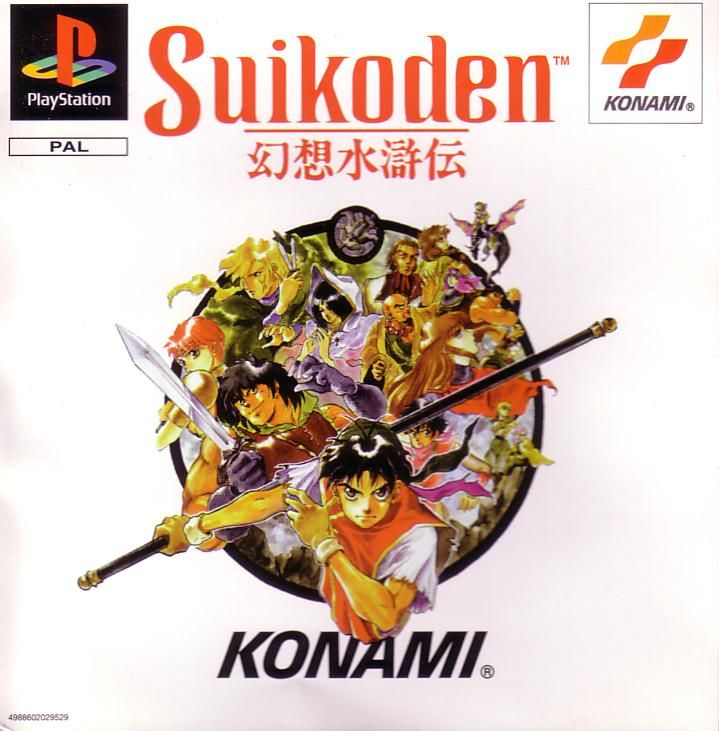
Here’s the thing: Suikoden: The Anime is finally becoming a real item, not just a “remember this RPG?” placeholder. The franchise has a loyal audience, the production is being tracked in multiple languages, and the German side still leans on an article that’s now more than four months old. That matters. Search results reward freshness, and an outdated frontrunner can be beaten if you actually do the homework.

That reminds me: this is exactly the kind of adaptation story where surface-level summaries fail. The useful question isn’t “Is Suikoden popular?” It’s what the current rollout says about the production, the timing, and how Konami and the team behind the film are positioning it for viewers who may know the games, or may just be hearing the title for the first time.
Suikoden: The Anime, and why the 29 March cast reveal matters
Plot twist: the most important update wasn’t a giant trailer bombshell, it was the cast announcement on 29 March. That kind of reveal tells you where a project is in the pipeline. Voice casting lands when the production has enough of the visual and dramatic framework locked down to make those choices meaningful, and in anime terms that’s not trivia, it’s signal.
The new information also tightens the adaptation’s identity. Suikoden as a series has always lived and died by ensemble chemistry. You’re not dealing with a lone protagonist vehicle here, you’re dealing with a web of alliances, betrayals, and the sort of political fantasy writing that rewards attention. If the casting lands badly, the whole thing feels thin. If it lands well, it can give the material the weight it needs, even before the full marketing cycle kicks in. My tip: watch cast announcements in these projects the way you’d watch 桜 (sakura, cherry blossom) bloom forecasts, because the timing says a lot about the season to come.

Fresh visuals and what they say about the film’s tone
I still remember exactly how many adaptation campaigns try to hide behind one safe image and call it “visual promotion.” This isn’t that. The newest visuals do real work, because they frame the film as a serious fantasy production rather than a nostalgia-only victory lap. That distinction matters for Japanese language learners too, because words like 世界 (sekai, world), 戦争 (sensou, war), and 開戦 (kaisen, outbreak of war) show up constantly in fantasy marketing copy, and those terms usually map neatly onto how a project wants to be read.
What I especially like is that the imagery appears to lean into scale, not just character poses. That suggests an attempt to sell the world of Suikoden as a place with history, factions, and consequence. On a related note: this is where a lot of game adaptations stumble, because they over-focus on reference recognition and under-sell the setting. Fans get the nods, sure, but new viewers need atmosphere. Without that, you’ve just got expensive fan service with a release date.
Why the visual update is more than marketing wallpaper
The latest visual material helps anchor the project in 2026 rather than 2006 nostalgia. It also gives search editors and fans something concrete to cite, which is a bigger deal than people think. Good visual updates create repeatable, linkable facts, and that’s how a story keeps circulating instead of fading after the first announcement cycle. See what I mean?

August 21 cinema release: why the date changes the conversation
Here’s the deal: a cinema release on 21 August changes expectations. It tells you the project is being treated as a theatrical event, not just a casual streaming title. That affects everything, from pacing and visual density to the kind of audience the marketing aims at. Theatrical anime has to justify the trip out of the house, and in Japan that still means it needs a sharper sense of occasion than most serviceable TV anime ever manage.
No exaggeration: release timing also matters for competition. Late summer is crowded enough that a weak title gets buried, but a strong one can use the season’s energy to its advantage. If Suikoden: The Anime can sell itself as a destination fantasy piece, it has a shot at outperforming the older German-language coverage that’s currently sitting in the SERP like a polite but stale guest. The gap is real, and it’s independent of whatever YouTube is doing this week with thumbnails and autoplay weirdness.
While we’re at it: this date also gives learners a neat language hook. Film marketing in Japanese often leans on words like 映画 (eiga, film), jousen, and 記念 (kinen, commemorative; memorial), each carrying slightly different shades of “screening”, “premium show”, or “commemorative”. If you’re studying Japanese through anime news, these are exactly the kinds of terms that start showing up everywhere once a title moves from rumour to actual release planning.

Google SERP, English vs German coverage, and the outdatable frontrunner
Ever wondered why a story can be “covered” and still be poorly covered? This is why. The English results and the German results are not matching cleanly, and the gap is visible even without over-reading the YouTube side of the equation. One piece of coverage is old enough to be beaten, not because it was wrong, but because it stopped being current. Search engines are brutally unsentimental about that. So am I, frankly.
Which brings us to the actual problem: there is no empty field here, just a beatable frontrunner. That’s a very different situation. It means the opportunity is not to invent a topic from scratch, but to update it better, faster, and with more precise facts. In practice, that means naming the 29 March cast update, the newest visuals, and the 21 August cinema release right up front, then explaining why those details change the story. If you’re building Japanese learning content or anime industry coverage, that is the edge. Not hype. Currency.
Before I forget: this is also a good reminder that good Japan content does not need to sound breathless to perform well. It needs to be useful, current, and specific. That’s the bit readers remember, and it’s the bit search usually rewards, eventually, if not politely. Sounds good, right?
In pictures


Frequently Asked Questions
When is Suikoden: The Anime releasing?
The current release date is 21 August, with a cinema rollout announced in the latest update.
What changed on 29 March?
A new cast was revealed, which is a major production update and a strong signal that the project is moving forward.
Why does the German coverage gap matter?
Because older coverage can lose visibility fast. If the English result reflects newer facts, it can outperform the older German frontrunner in search.


