
Here’s the deal: this is a proper fighting-game guest appearance, not a wallpaper cameo. For fans of both series, the interesting part is how SNK keeps building out City of the Wolves with outside characters, while Tokyo Revengers brings in two names that already carry a lot of visual identity and attitude. Not bad, right?


Fatal Fury: City of the Wolves gets a Tokyo Revengers crossover
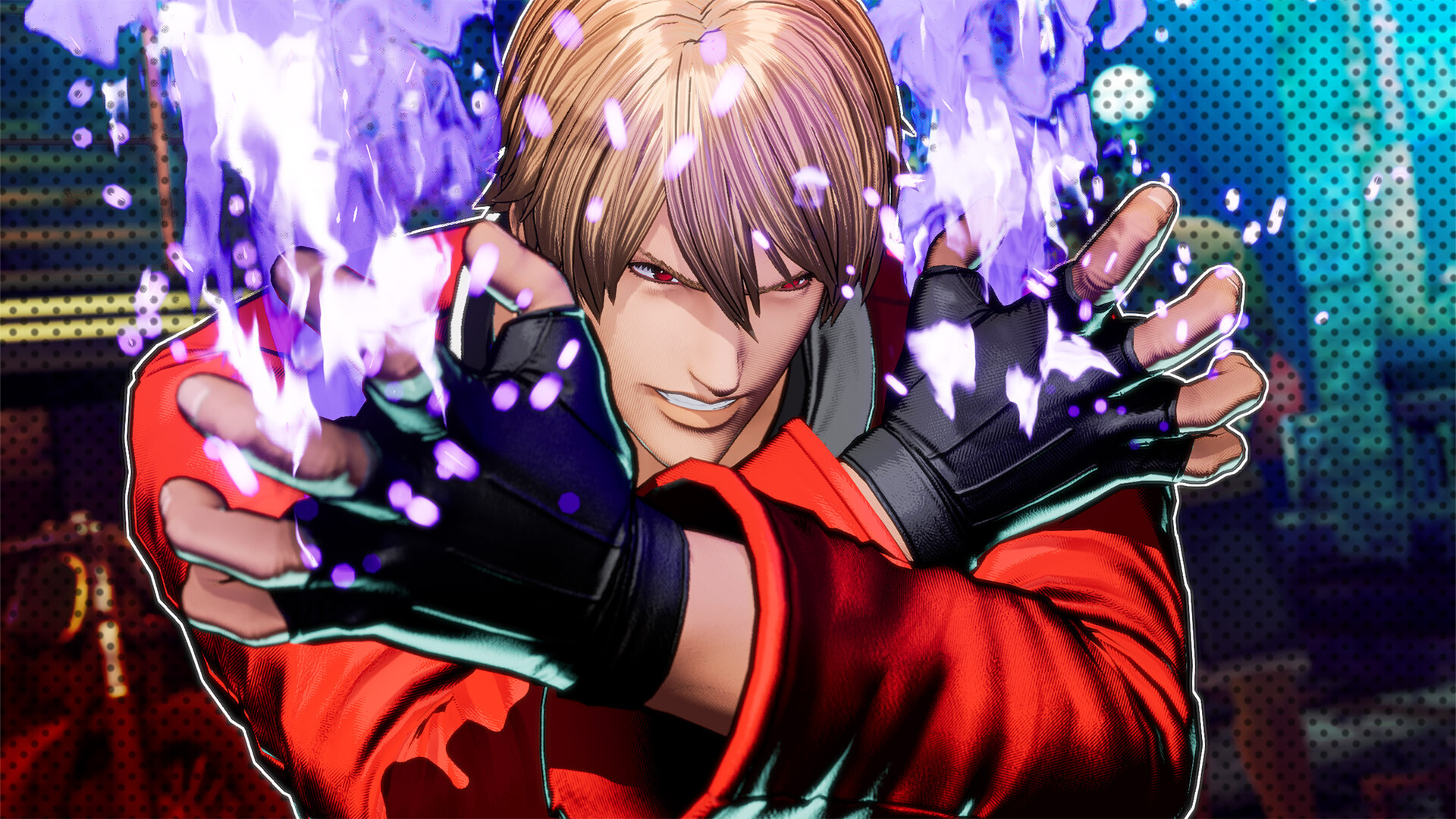
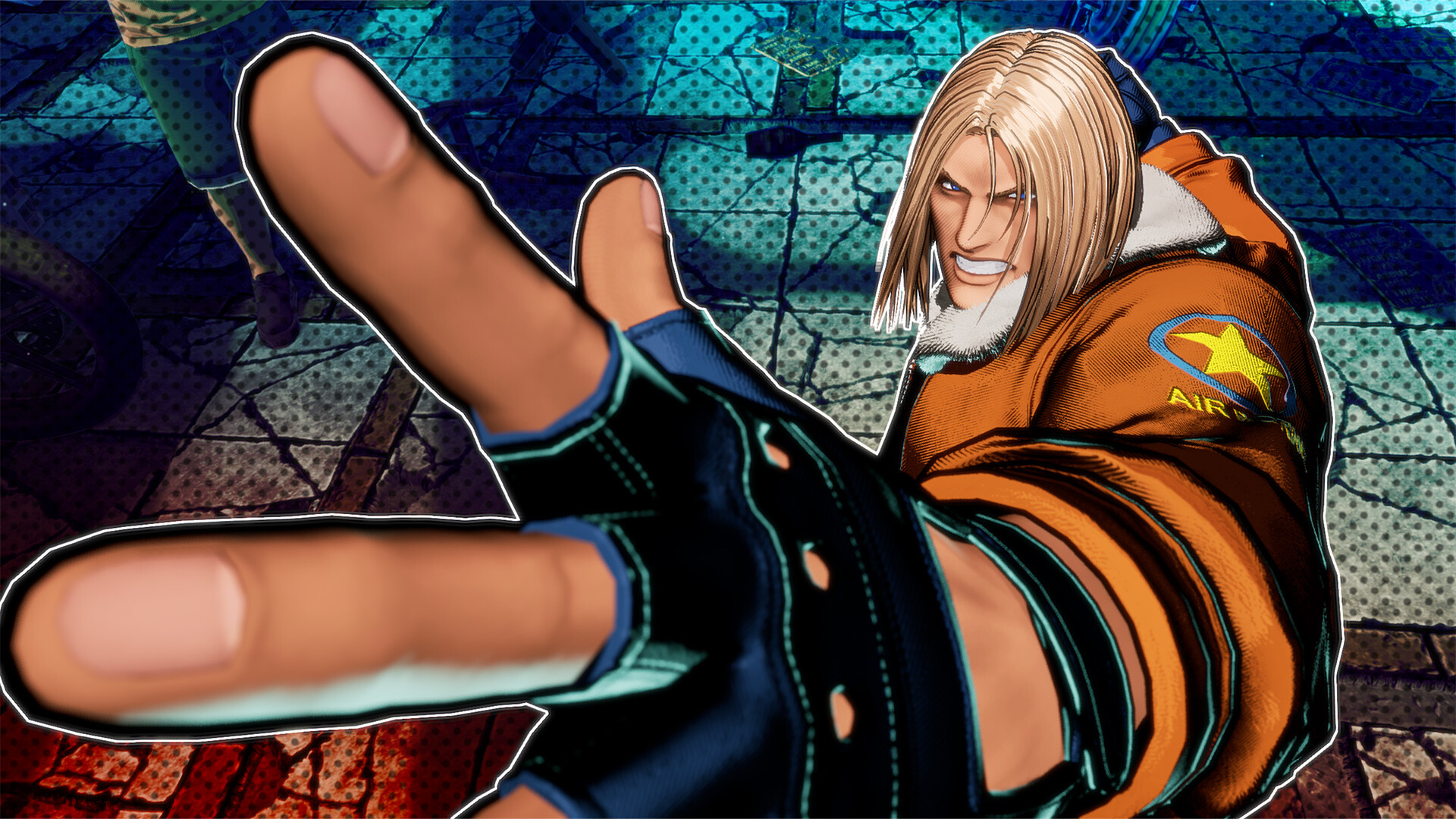
Fatal Fury: City of the Wolves is crossing over with Tokyo Revengers, and the guest fighters are Manjiro Sano, better known as Mikey, and Ken Ryuguji, better known as Draken. SNK announced the collaboration through an official release on PR Times, with the new fighters scheduled to join the game on October 22, 2026, as part of Season Pass 3. That date matters, because it tells you this isn’t a one-off promotional image; it’s a planned roster addition with actual gameplay weight.
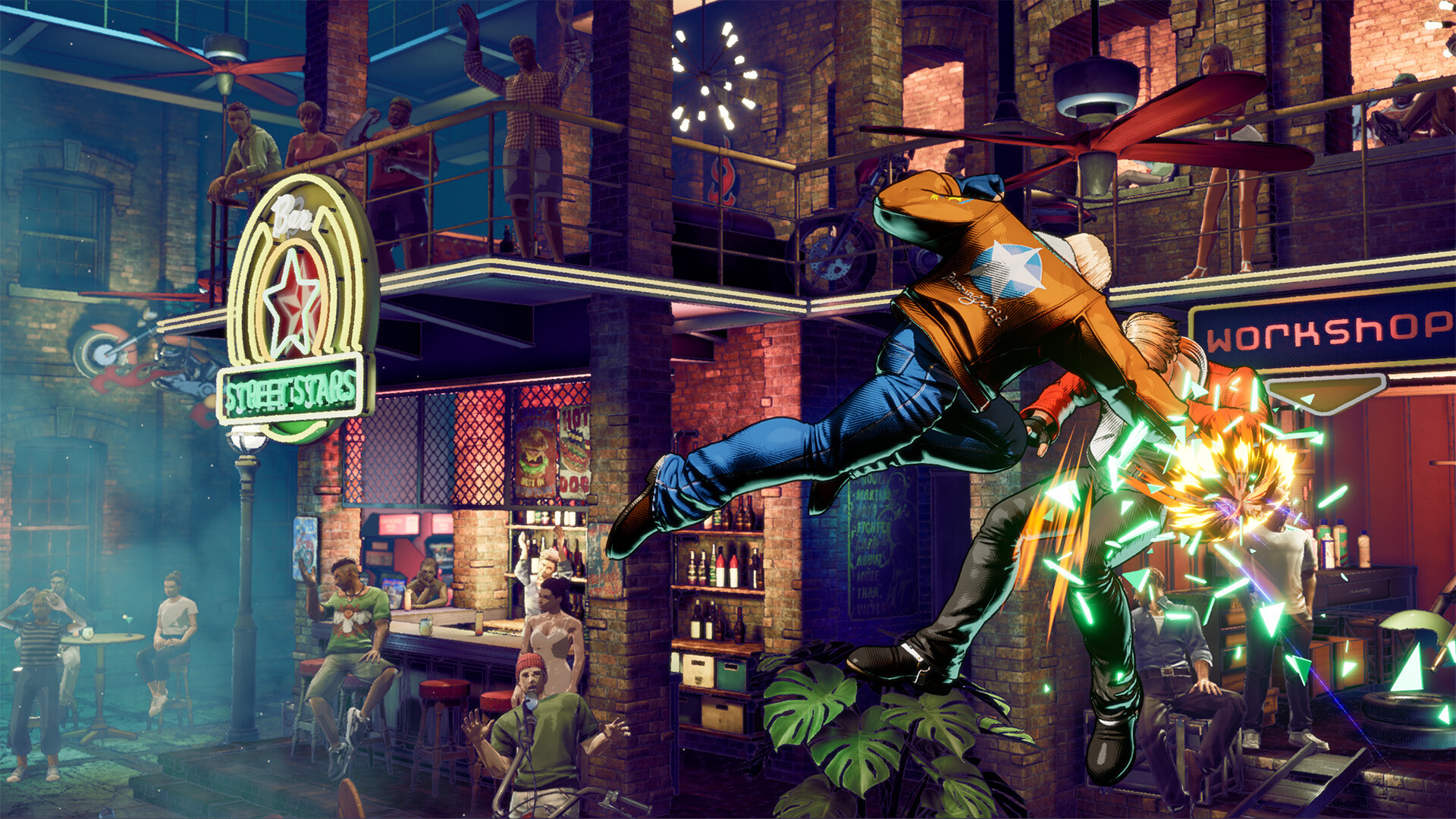
Basically, this is SNK treating a manga-anime crossover like real DLC, with character trailers, release timing, and a spot in the season structure. City of the Wolves, the latest chapter in the Fatal Fury series, has already shown that it’s comfortable reaching beyond SNK's own roster. This time, though, the move makes more sense than some cross-media stunts do. Mikey and Draken aren’t random imports. They’re the kind of characters whose names, silhouettes, and reputations already do half the work for a fighting game. Classic Japan, isn’t it?
Why Mikey and Draken fit a fighting game
Here’s the thing: Tokyo Revengers is built around gang rivalry, loyalty, and physical confrontation, which makes it a surprisingly clean fit for a 2D fighting game. Mikey has that calm, dangerous stillness that anime loves to frame in profile shots, while Draken brings the taller, tougher presence that reads immediately on-screen. In practical terms, that’s gold for character design. You want fighters who are readable in one glance, and these two already have that baked in.
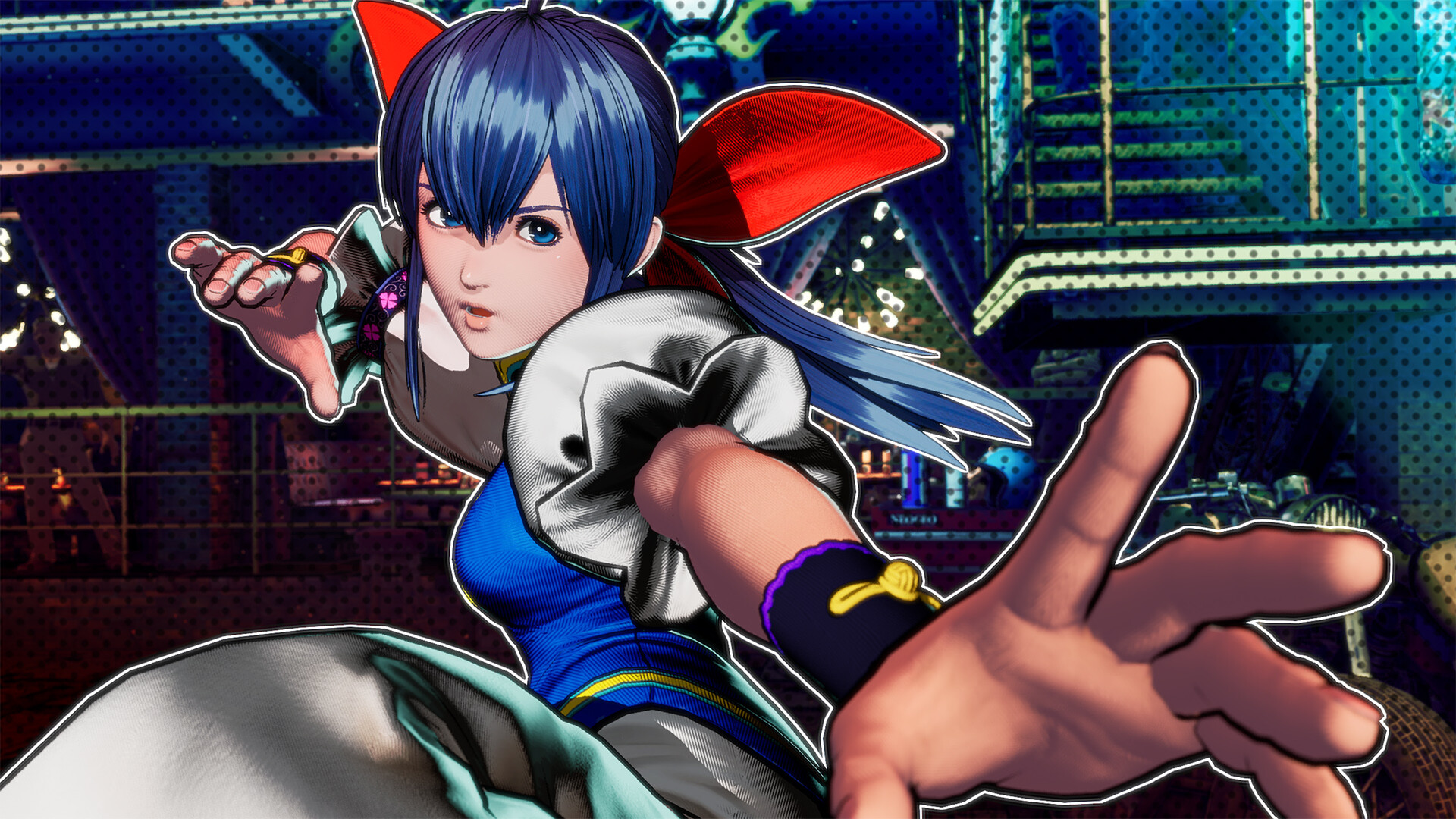
I think that’s the real reason this crossover works. It’s not just name recognition, it’s visual shorthand. A good guest character needs three things: a clear silhouette, a distinct attitude, and enough audience memory that you don’t have to explain the joke. Mikey and Draken check those boxes without much effort. For fans of Japanese learning, this is also a nice reminder that names and nicknames matter in context. Manjiro Sano becomes Mikey in everyday fan talk, and Ken Ryuguji becomes Draken. Those casual forms show up everywhere in anime culture, fandom posts, and game discussions, so it’s worth getting used to them. You’ll see that pattern again and again.
What this says about City of the Wolves
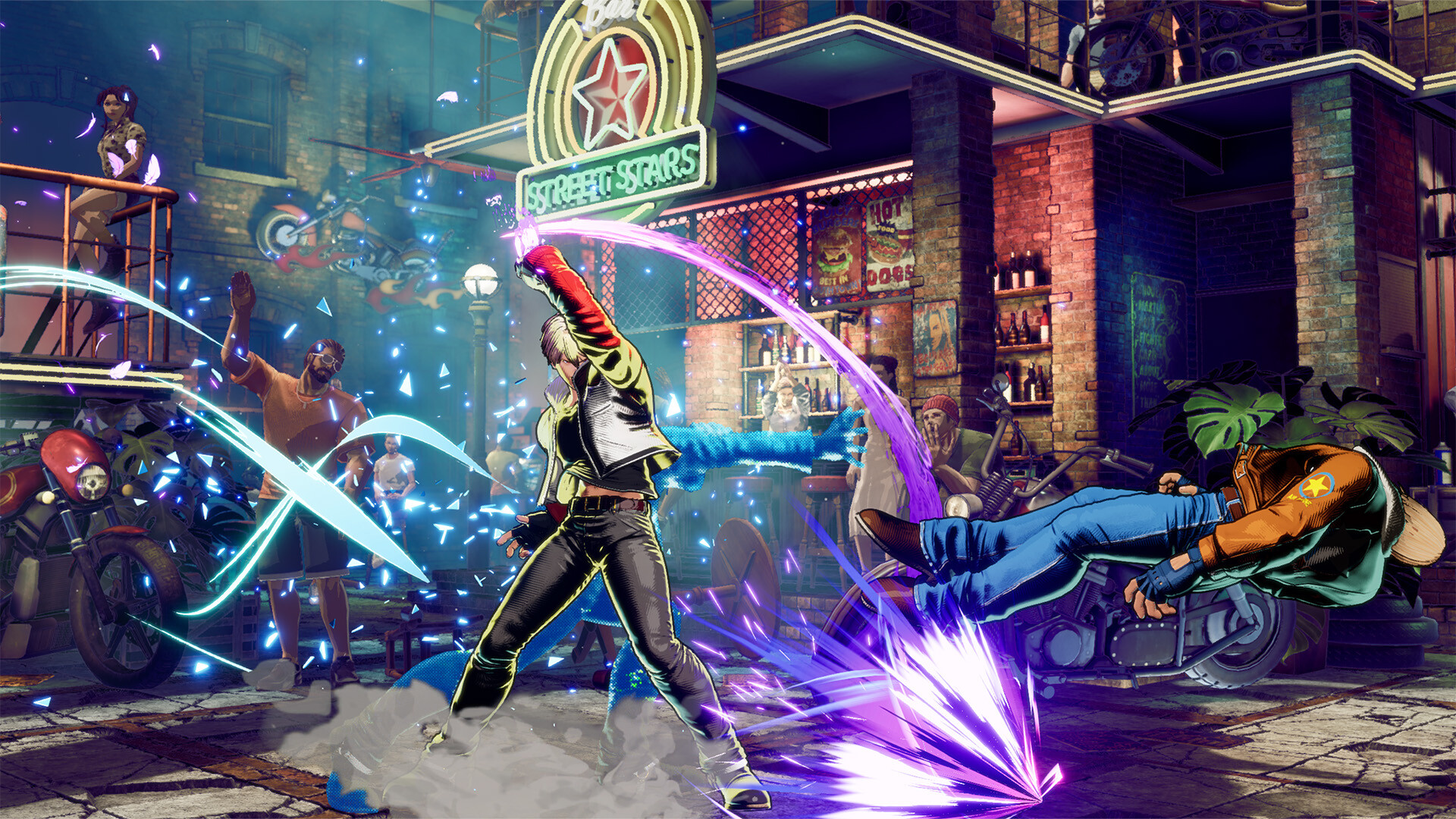
Fatal Fury: City of the Wolves has already been willing to experiment with guest characters, which changes how you read a crossover like this. SNK isn’t just padding a roster, it’s building a game that can carry outside identities without losing its own shape. That’s a harder balance than it looks. Too many guest characters and a series starts to feel like a billboard. Too few and the crossover barely registers. Here, SNK seems to be aiming for the middle ground, and I think that’s the smarter play.
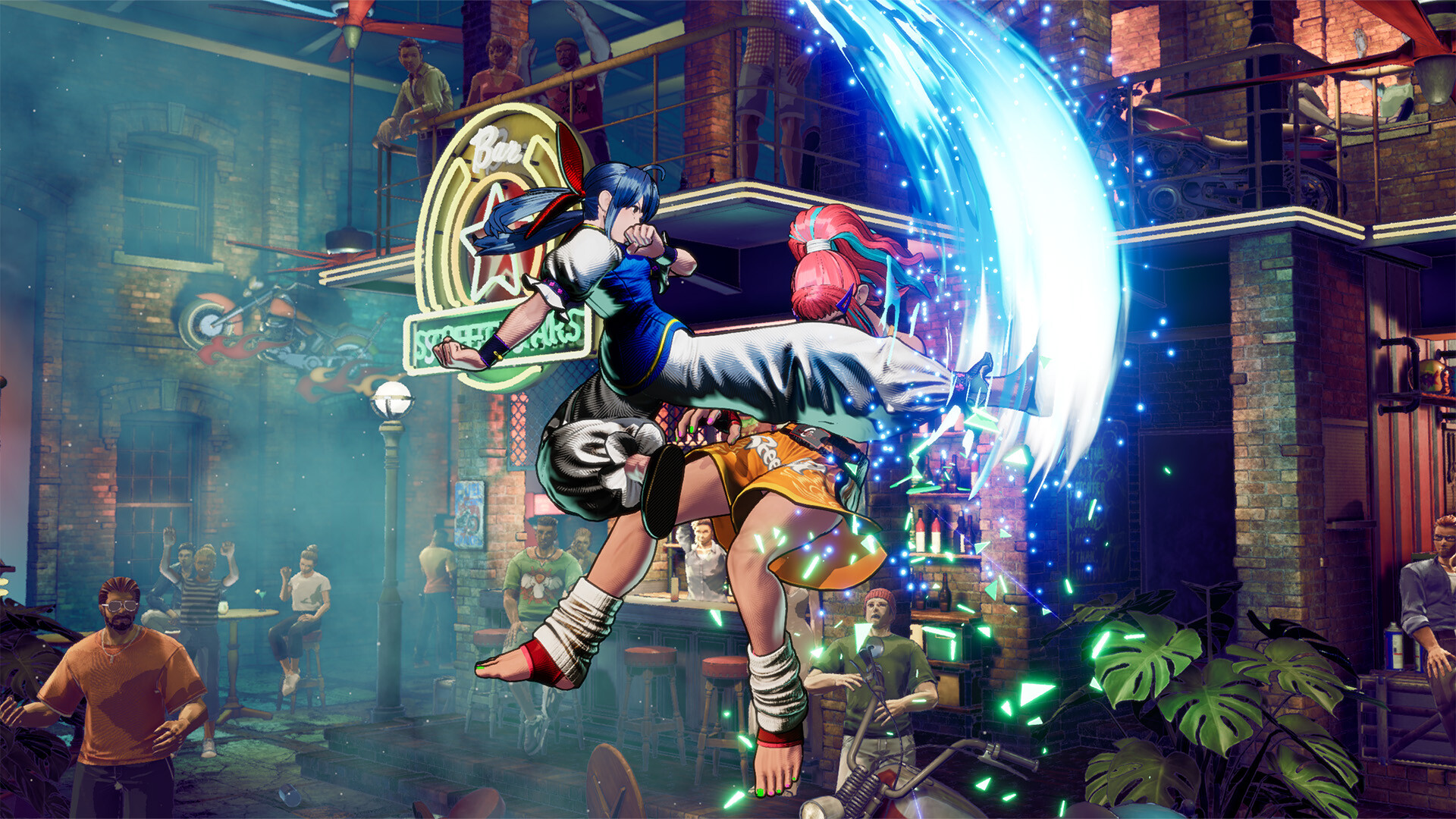
On the flip side, crossovers only work when the animation, move set, and art direction respect the source material. If Mikey and Draken arrive looking like generic brawlers in borrowed jackets, the whole thing falls apart. If SNK gives them fighting styles that echo their Tokyo Revengers personalities, then the collaboration becomes more than fan service. It becomes a small translation exercise, which is exactly the sort of thing Japanese media does well when it bothers to try. Let me show you why that matters: Japanese crossovers often succeed when they preserve character identity first and marketing logic second. When they do both, the result tends to travel well across fan communities. But that’s not all.
Japanese learning angle: names, nicknames, and fandom vocabulary
For Japanese learners, this announcement is useful for a simple reason. You get to see how character names, nicknames, and franchise titles move between formal and casual language. Tokyo Revengers itself is usually treated as a title, but the conversation around it quickly shifts to character names, shortened forms, and fan shorthand. That’s normal in Japanese media spaces. You’ll hear the same thing with other series too, where a character's full name appears in official copy, but fans immediately pivot to the nickname.
Here’s the catch: learning these forms is less about memorising trivia and more about recognising how people actually talk about media. If you can spot when a name is used formally and when it is used familiarly, you’ll read fan posts, game updates, and social reactions much more smoothly. My tip: keep an eye on character nicknames in ローマ字 (romaji, romanization; Latin letters), because they often carry tone as well as identity. Mikey sounds light and familiar. Draken feels tougher, almost percussive. That difference matters in Japanese pop culture, where style is part of the message. Sounds good, right?
And that is the story here, not just the roster update but the way Japanese entertainment keeps moving characters across formats without losing the core of their appeal. A fighting game crossover can be a cheap stunt or a smart translation. This one looks closer to the second option. Convinced yet?
In pictures
Frequently Asked Questions
When do Mikey and Draken join the game?
They are scheduled to join Fatal Fury: City of the Wolves on October 22, 2026.
Which Tokyo Revengers characters are included?
The crossover adds Manjiro Sano, known as Mikey, and Ken Ryuguji, known as Draken.
Why is this crossover notable?
It brings two well-known Tokyo Revengers characters into a fighting game that already has experience with guest fighters.