
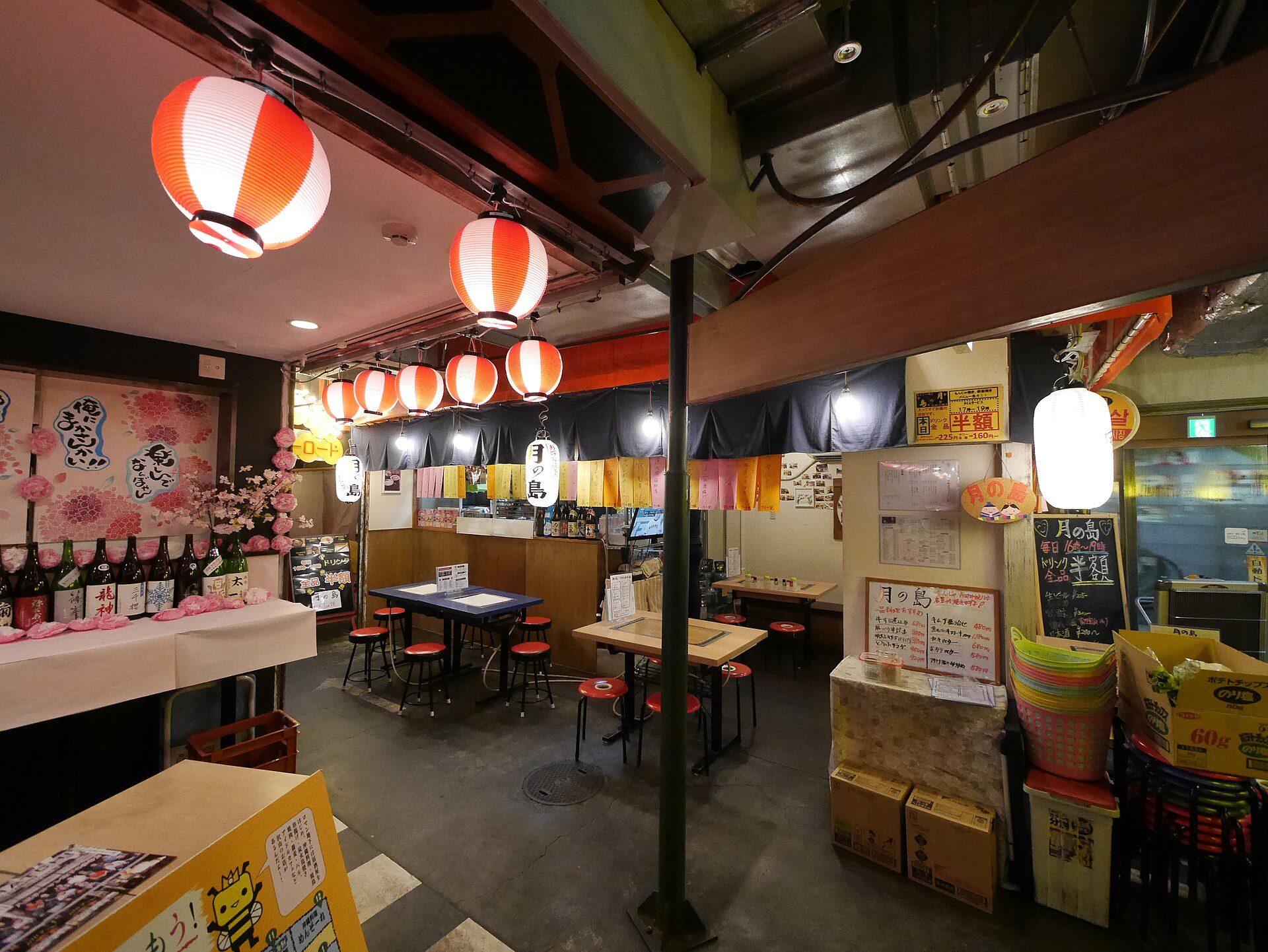
For Japan fans and language learners, that matters. You’re not just looking at cookies, you’re seeing how Japanese shops use design, mood, and careful presentation to build something memorable.
A cookie shop in Japan that breaks the bakery mould
Picture this: you walk into a shop in Japan expecting the usual lineup, maybe メロンパン (melon pan, melon bun), cream puffs, or a few wrapped cookies near the register. Then you realise this place has a completely different rhythm. The display feels closer to a lifestyle store than a standard bakery, and that’s the whole point. It’s a cookie shop in Japan, but it doesn’t behave like a typical sweets corner at all.
What many overlook is that Japanese food shops are often judged not only by taste, but by how clearly they express a concept. This place leans hard into that. Instead of trying to be everything for everyone, it narrows the focus: cookies first, atmosphere second, and convenience third. That kind of concentration is very Japanese, and honestly, I love that confidence. My tip: if you’re learning Japanese, notice words like お土産 (omiyage, souvenir; gift), 定番 (teiban, standard favorite; staple), and 品物 (shinamono, item; goods), because shops like this are built around those ideas. My verdict: it’s a refreshingly sharp approach.
Why this cookie shop feels so unusual
Here's the thing: most bakeries in Japan mix bread, cakes, sandwiches, and pastries in one space. This shop does the opposite. It treats cookies like the main event, almost like a specialty bar that happens to sell baked goods. That separation gives the store a clean identity, and it makes the product feel more considered.
Take the packaging, for instance. In Japan, presentation isn’t an extra; it’s part of the product. A cookie box can feel gift-worthy even before you open it. If you’ve ever bought omiyage, you already know the drill: the wrapping has to look neat, the inside has to be tidy, and the whole thing should feel like a small act of care. That’s why a dedicated cookie shop can stand out so strongly. It’s not only about flavour, it’s about the message the shop sends. Sounds good, right?
Here's the kicker: a place like this also changes how you shop. You’re less likely to grab something random and leave. You pause. You compare flavours. You think about who you’re buying for, or whether you want one small treat for yourself. That slower pace fits Japan’s dessert culture really well, especially in areas where gift shopping matters. Not bad, right?
How it differs from typical bakeries in Japan
Trust me on this one: a standard bakery in Japan usually tries to solve several needs at once. Breakfast bread, lunch bread, sweets, maybe even coffee. A cookie shop like this strips away that variety and doubles down on one format. That sounds simple, but it’s actually a strong business move.
Here's the deal: specialty shops create a clear reason to visit. If you’re in Tokyo, Osaka, or Yokohama, you’ll find plenty of places with good cookies. But a store that builds its whole identity around cookies has a better chance of becoming a destination. That’s especially true for fans who like to hunt down original food spots, not just chain stores. For learners, it’s a useful real-life example of the word 専門 (senmon, specialty; specialist field), which means specialist. The shop is basically saying, “We do one thing, and we do it properly.”
Design, branding, and the Japanese sense of detail
Fun fact: many Japanese sweets shops use the same visual logic as stationery brands or indie gift shops. Soft colours, tidy shelves, compact signage, and lots of negative space all help create calm. This cookie shop seems to follow that idea, and it works because cookies are already associated with gifts, sharing, and a bit of nostalgia. The brand feels approachable, but not plain.
On the flip side, some visitors might miss the variety of a bigger bakery. If you want fresh bread, savoury options, or a seat for a long coffee break, this kind of shop won’t satisfy you in the same way. But that’s exactly what makes it interesting. It doesn’t try to compete with every bakery in town. It carves out its own lane, and that takes confidence. See what I mean?
What Japan fans and learners can take from this shop
Here's the deal: places like this are a great reminder that Japanese retail often rewards specificity. A shop doesn’t need to be huge to feel memorable. It needs a clear idea, good execution, and a style that fits the local mood. In food terms, that often means seasonal flavours, neat packaging, and a strong gift angle.
For Japanese learners, this is a nice chance to build vocabulary around shopping and food culture. Words like omiyage, kaiten, 店 (mise, shop; store), and 商品 (shohin, product; item for sale) come up naturally when you talk about stores. If you hear a staff member say, “どうぞ (douzo, please; here you are),” or “ikaga desu ka,” that polite tone is part of the experience too. It’s not just language practice, it’s cultural practice. Highly recommended: pay attention to how the shop talks about its products, because the wording often tells you exactly how it wants to be seen.
My personal take? I prefer these tightly focused shops to generic dessert counters. They feel more intentional, and they usually leave a stronger memory. When a cookie shop in Japan looks this different from a bakery, it’s not a gimmick, it’s a statement. And if you’re the kind of person who enjoys finding small but distinctive places in Japan, this one belongs on your list.
Frequently Asked Questions
What makes this cookie shop different from a normal bakery?
It focuses almost entirely on cookies, with a stronger emphasis on presentation, gifting, and a clear store concept.
Is this kind of shop common in Japan?
Specialty shops are common, but a store that builds its whole identity around cookies still stands out from typical mixed bakeries.
Why will Japan fans care about a store like this?
It shows how Japanese shops use design, packaging, and atmosphere to make even a simple treat feel special.


