
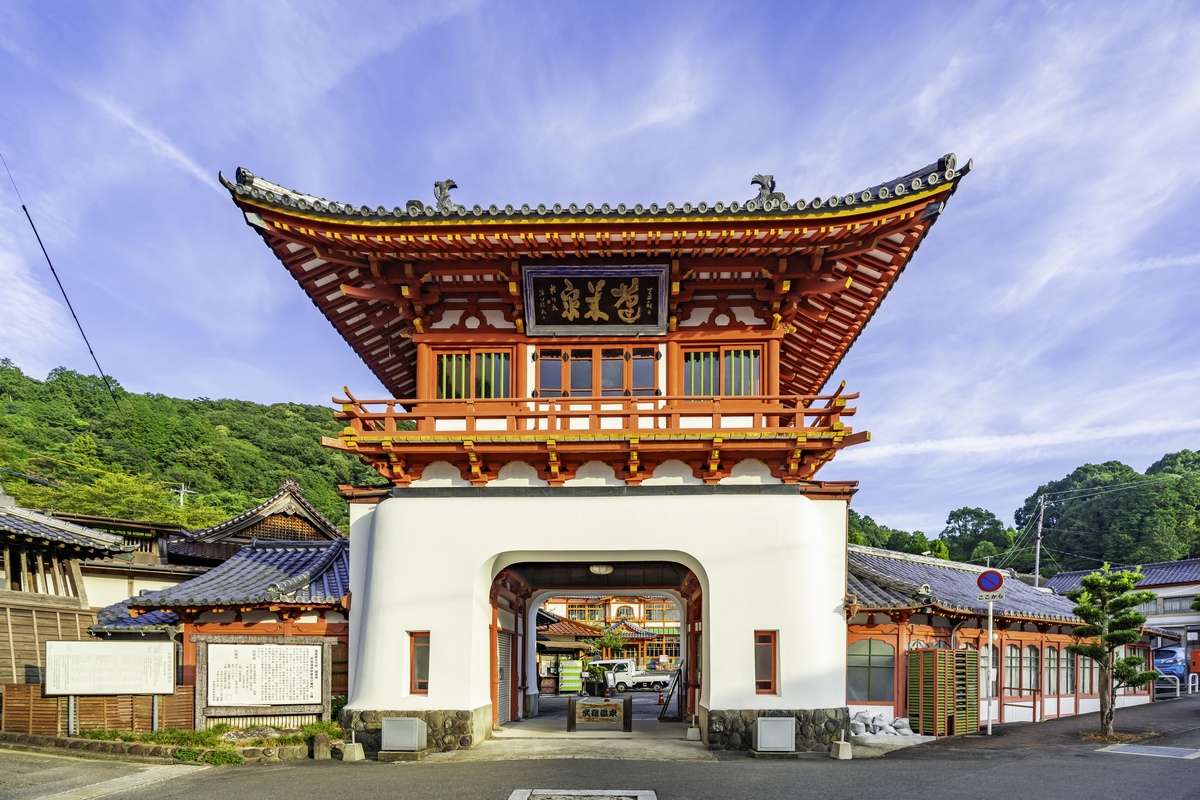
The reason’s simple: you get real onsen culture, easy day-bathing access, and a town that’s small enough to enjoy without rushing. That combination makes it a strong choice for Japan fans and Japanese learners alike.
Takeo Onsen in Saga Prefecture: a hot spring town with character
Takeo Onsen sits in Takeo City, in Saga Prefecture on Kyushu, and it’s one of the region’s most approachable onsen towns. The first time I went to Japan, I expected famous hot spring places to feel flashy, but Takeo Onsen is more restrained than that. It’s elegant, historic, and quietly confident, which is exactly why it sticks in your memory.
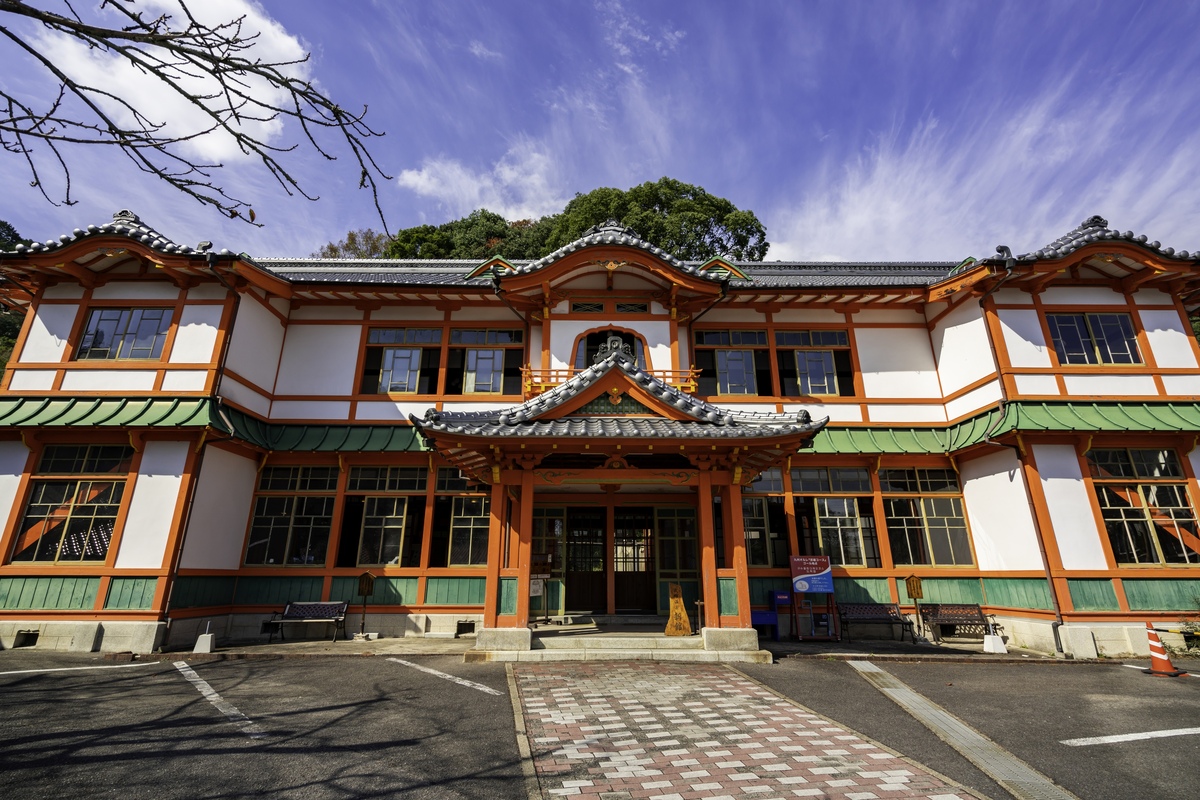
What many overlook is that Takeo Onsen isn’t just about soaking in hot water. The town has a real sense of place, from the old gate at the entrance to the bathhouses, to the low-key streets around the station area. If you like learning Japanese, this is also a handy place to pick up words like onsen, 湯 (yu, bath water) for bath water, and ryokan for a traditional inn, because those terms are everywhere and actually useful on a trip. My tip: don’t rush straight in and out, give yourself time to walk around first. My verdict: this is my absolute hidden gem!
The vermilion gate and why it matters
Trust me on this one: the famous vermilion gate is the visual anchor of Takeo Onsen. It stands near the entrance to the old bath area, and that bright red-orange colour, often called 朱色 (shu-iro, vermilion (red-orange)), gives the place a strong first impression. You’ll see why people photograph it so often, because it frames the historic atmosphere in a way that feels almost cinematic. Simply brilliant.
On a related note, the gate is tied to the wider temple-and-hot-spring feel that makes Takeo Onsen stand apart from more modern spa resorts. The area has a long history, and the architecture around the bathhouses helps preserve that old Japan feeling without turning it into a theme park. Hand on heart, that balance is hard to get right, and Takeo pulls it off. When you study Japanese place names, notice how often a single landmark can shape a town’s identity, and here the gate does exactly that. From my experience, the best photos are taken early in the morning, before the crowds build up.
What to look for when you arrive
Look for the contrast between the bright gate and the softer tones of the surrounding buildings. Then check the details, because those little touches tell you a lot about Japanese design: clean lines, wood, stone, and careful signage. A great example: even if you’re not a history buff, you can still feel the atmosphere immediately. Not bad, right?
Day bathing at Takeo Onsen: easy, relaxing, practical
Oh, almost forgot: one of the best things about Takeo Onsen is how easy day bathing is. In Japan, this is often called 日帰り入浴 (higaeri nyuuyoku, day bathing), and it’s perfect if you don’t have time for an overnight stay. You can arrive, take a bath, rest a bit, eat, and move on without needing to book a full ryokan stay. That makes the area especially good for train-based travel through Saga and northern Kyushu.
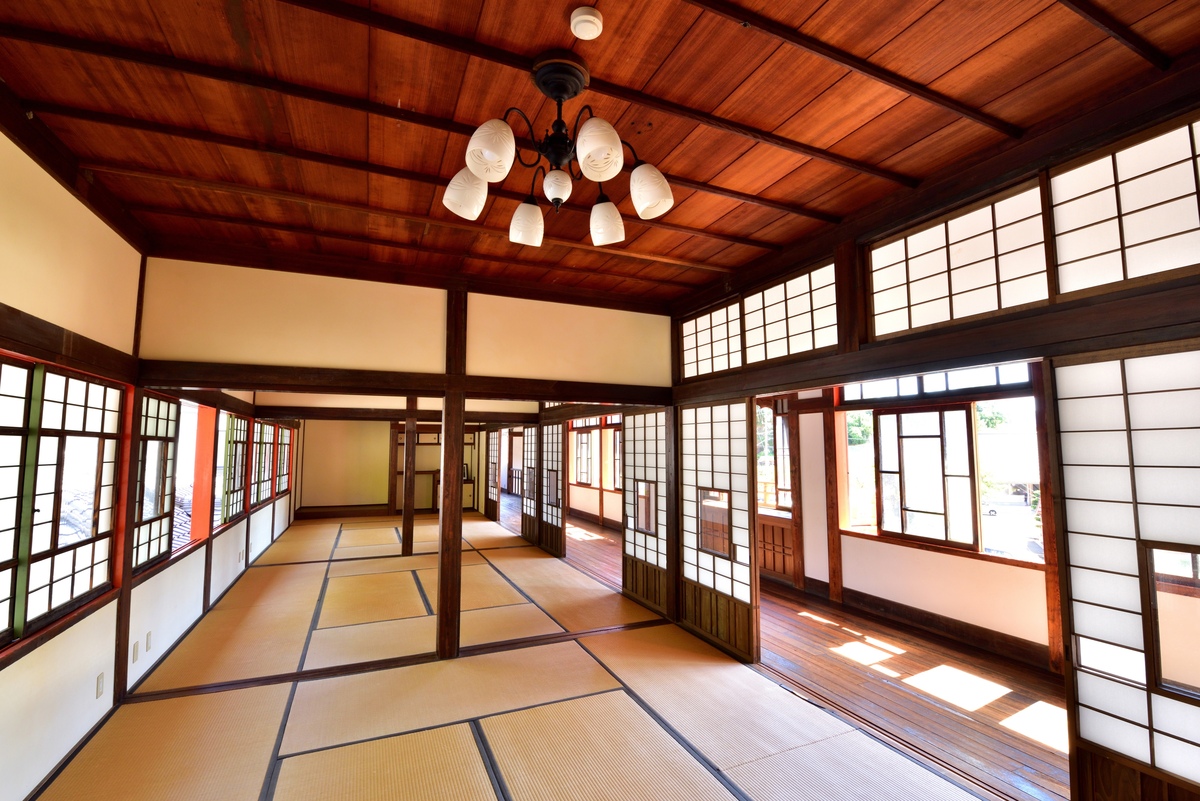



The historic bathhouses are part of the appeal, and the whole experience feels much more personal than a large resort complex. You’ll usually want to bring or buy a small towel, and remember the basic etiquette: wash first, keep your towel out of the water, and don’t rush around the bathing area. Guess what? Those simple rules are part of the charm, because they make the experience feel calm and ordered. For Japanese learners, this is a great place to hear practical vocabulary in context, like 掛け流し (kake-nagashi, free-flowing hot spring water) for continuously flowing hot spring water, and 失礼します (shitsurei shimasu, excuse me / pardon me) when you’re being polite in a shared space.
My day-bath strategy
I’d go mid-morning or early afternoon, when the pace is gentler. Then I’d follow the bath with a snack or lunch nearby, because onsen towns are made for slow movement, not efficiency. What I especially like: you don’t need a complicated plan here. Just a train, a towel, and time. My verdict: simple travel days can be the best ones.
What to do around Takeo Onsen in Saga
The area around Takeo Onsen gives you more than just hot water, and that’s where the trip gets better. You can combine your visit with a stroll through Takeo’s quieter streets, stop for local food, and make the most of Saga Prefecture as a whole. If you’re building a Kyushu route, Saga is a smart stop because it sits between better-known destinations and gives you a slower, more local rhythm.
On a related note, this part of Japan is also a good example of how onsen towns and regional travel work together. You can base yourself in Takeo for a night, or pair it with nearby cities depending on your route. Many visitors to Kyushu use JR lines and local buses, and that makes the trip manageable even without a car. Hand on heart, if you like relaxed travel with actual substance, Saga deserves more attention than it gets.
A great example: Takeo Onsen works well for Japan fans who want a concrete destination, not just a vague “hot springs somewhere in Kyushu” idea. You’ve got a named place, a strong landmark, practical day-bathing, and enough atmosphere to make the journey feel worthwhile. If you’re learning Japanese, this is also a place where travel vocabulary becomes memorable because it’s tied to a real experience, not a textbook page. My tip: write down three words you hear during the visit, then review them later. It really helps.
Frequently Asked Questions
Is Takeo Onsen good for a day trip?
Yes, it works very well as a day trip because day bathing is easy and the area is compact.
Where is Takeo Onsen located?
It is in Takeo City, Saga Prefecture, on the island of Kyushu.
What makes Takeo Onsen stand out?
The vermilion gate, historic atmosphere, and relaxed day-bathing options make it especially memorable.


